Are Dehumidifiers Worth the Money?
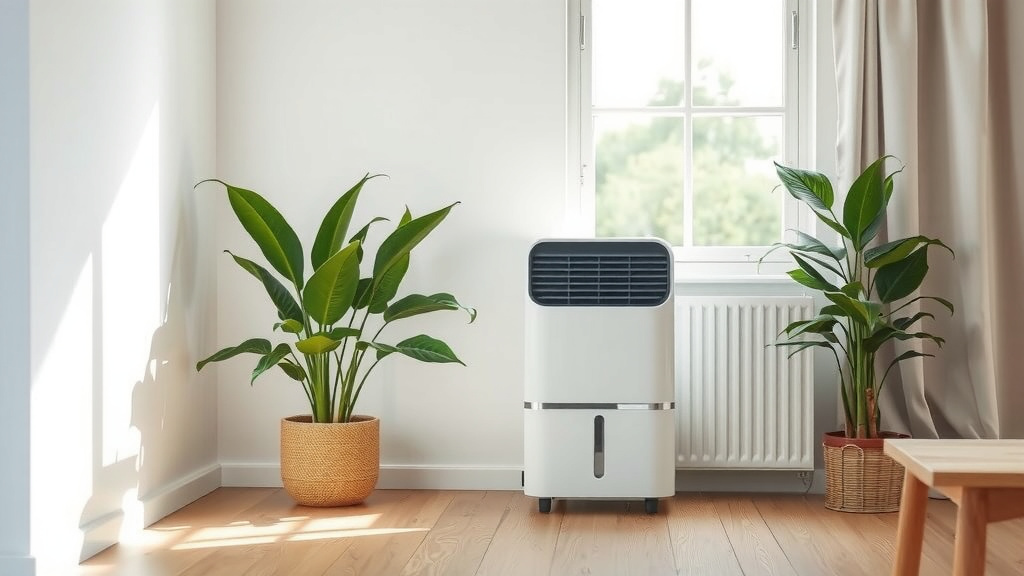
Yes, dehumidifiers are absolutely worth the money for creating a healthier, more comfortable living environment by controlling excess moisture.
They prevent mold growth, reduce allergens, protect your home’s structure, and make your space feel cooler without lowering the thermostat.
Here’s a quick overview of why a dehumidifier might be exactly what your home needs:
- Combat muggy air and damp smells effectively.
- Prevent mold, mildew, and dust mites from thriving in your space.
- Protect your furniture, electronics, and wooden structures from moisture damage.
- Potentially save money on energy bills by making your home feel naturally cooler.
- Improve indoor air quality and reduce common allergy symptoms significantly.
Are Dehumidifiers Worth the Money?
Yes, a dehumidifier is a smart investment for a healthier home. It actively removes excess moisture from your air.
Understanding High Humidity: Your Home’s Hidden Enemy
Ever walked into a room and felt that heavy, sticky air? That’s high humidity at play. It’s more than just uncomfortable.
Excess moisture can silently cause real trouble. It creates a perfect breeding ground for many unwelcome guests.
The Health Risks of Damp Air
We found that persistently high humidity directly affects your well-being. It can aggravate respiratory issues and allergies.
Mold spores, dust mites, and bacteria all thrive in moist conditions (CDC). Breathing these in isn’t good for anyone.
Damage to Your Home and Belongings
Beyond health, high humidity literally attacks your home. It can lead to warped wooden floors and peeling paint.
You might notice a musty odor or see dark spots of mold on walls. Your electronics and valuable papers can also suffer damage.
Clear Signs You Need a Dehumidifier
Not sure if your home has too much moisture? Look for these common red flags. They are clear indicators.
- A persistent musty or moldy smell, especially in basements or bathrooms.
- Visible mold or mildew growth on walls, ceilings, or shower curtains.
- Condensation on windows, especially during mild weather.
- Peeling paint or wallpaper, indicating moisture behind surfaces.
- Rooms feeling consistently clammy or much warmer than the thermostat suggests.
- Allergy symptoms worsening when you are inside your home (Mayo Clinic).
The Many Benefits of Owning a Dehumidifier
Investing in a dehumidifier brings a wave of positive changes. It makes your living space truly better.
Protecting Your Health and Comfort
By controlling humidity, you dramatically reduce mold and dust mites. This helps people with asthma and allergies breathe easier.
Your home will feel less sticky and more comfortable. Many experts say it even feels cooler without changing the AC setting.
Preserving Your Home and Valuables
A dehumidifier acts as a protective shield. It keeps moisture from damaging walls, furniture, and appliances.
Research shows it can extend the life of your wooden items and electronics. Say goodbye to warped wood and rust.
How Dehumidifiers Work Their Magic
It’s simpler than you might think. A dehumidifier draws in humid air, cools it down, and condenses the moisture.
The water collects in a bucket, and drier air is released back into your room. It’s like a tiny, focused moisture magnet.
Choosing the Right Dehumidifier for You
Picking the best one depends on your needs. Consider the size of your space and your climate. We found two main types.
| Feature | Refrigerant Dehumidifier | Desiccant Dehumidifier |
|---|---|---|
| Operating Temperature | Best for warmer environments (above 65°F) | Better for cooler environments (below 65°F) |
| Noise Level | Generally louder due to compressor | Quieter operation |
| Energy Efficiency | Very efficient in warm, humid conditions | Less efficient in warm conditions; good in cool ones |
| Typical Use | Basements, living areas, warm climates | Garages, boats, cold climates |
Key Factors When Making Your Purchase
Don’t just grab the first one you see. Think about these points to make a smart choice.
Capacity and Size Matters
Dehumidifiers are rated by how many pints of water they remove daily. A bigger space needs higher capacity.
A small unit won’t do much in a large, very damp basement. Match the unit to your room’s conditions and size.
Energy Efficiency and Features
Look for Energy Star certified models. They use less electricity, saving you money over time.
Features like an auto-humidistat, auto-shutoff, and continuous drain options add convenience. A quiet model is also a plus.
Understanding Running Costs vs. Long-Term Value
Yes, a dehumidifier uses electricity. But consider the costs of not having one. Mold remediation is costly.
Replacing damaged furniture or dealing with health issues can far outweigh the energy expense. It’s an investment in prevention.
Simple Maintenance Tips for Longevity
Keeping your dehumidifier running well is easy. A little care goes a long way for its lifespan.
- Empty the water bucket regularly, or use the continuous drain feature.
- Clean the air filter at least once a month. This keeps it efficient.
- Wipe down the unit periodically to prevent dust buildup.
- Ensure proper airflow around the unit; don’t block the vents.
A Quick Checklist Before Buying
Use this short list to ensure you’re making a great decision for your home.
- Is my space often muggy or do I see condensation?
- Have I noticed musty smells or signs of mold?
- Does anyone in my home suffer from allergies or asthma?
- Have I estimated the square footage of the area it will cover?
- Do I want extra features like a humidistat or continuous drain?
Conclusion
Ultimately, a dehumidifier is more than just an appliance. It’s a guardian for your health, your home, and your comfort.
The initial cost is a small price when you weigh it against the benefits. It prevents costly damage and creates a genuinely healthier atmosphere.
For a noticeably fresher, drier, and more comfortable living space, a dehumidifier is absolutely worth the money. It’s an investment that pays dividends daily.
How much does it cost to run a dehumidifier daily?
The daily cost varies widely based on the model’s energy efficiency, its capacity, and your local electricity rates. Generally, a typical household dehumidifier might cost anywhere from $0.15 to $0.50 per day to run, which is often less than what you’d spend on remedies for mold or health issues.
Can a dehumidifier help with allergies?
Yes, a dehumidifier can significantly help with allergies. Many common allergens, like dust mites and mold spores, thrive in high-humidity environments. By reducing the moisture in the air, a dehumidifier makes your home less hospitable for these triggers, helping to alleviate allergy symptoms.
Where is the best place to put a dehumidifier in a house?
The best place for a dehumidifier is in the dampest areas of your home. This often means basements, crawl spaces, laundry rooms, or bathrooms without proper ventilation. Place it centrally in the room and away from walls to allow for optimal airflow and efficiency.
How long does it take for a dehumidifier to work?
You can often feel and see a difference in air quality and humidity levels within a few hours of running a dehumidifier. To significantly reduce moisture and improve the overall environment, it might take a few days, especially if the area was very damp to begin with. Consistency is key for lasting results.
Are there any downsides to using a dehumidifier?
While highly beneficial, some minor downsides exist. Dehumidifiers consume electricity, adding to your utility bill, and they require regular maintenance like emptying the water tank and cleaning filters. Some models can also be a bit noisy, and they take up floor space. However, these are often minor compared to the problems caused by excessive humidity.