Do Dehumidifiers Use Less Energy Than Air Conditioners?
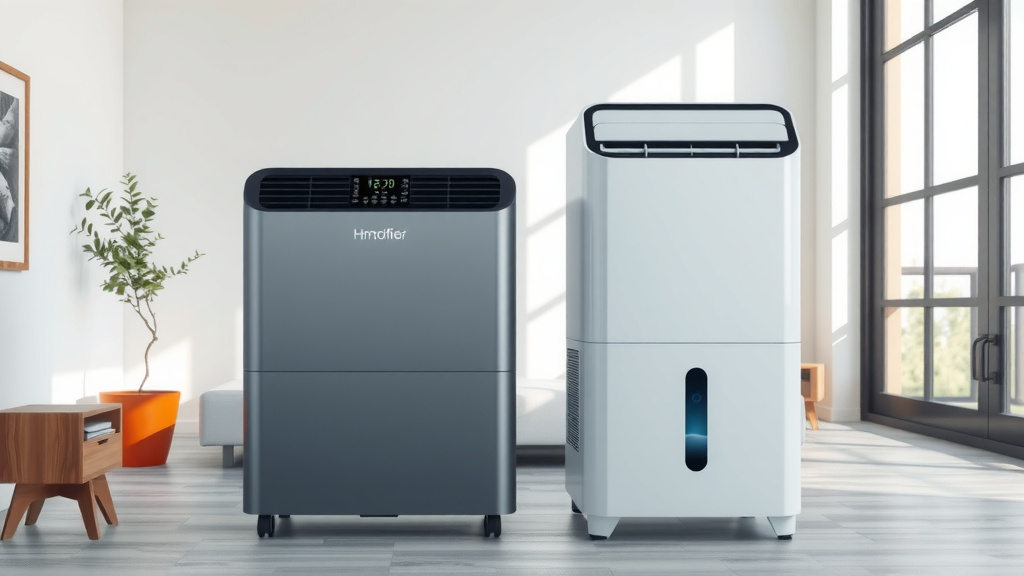
Dehumidifiers generally use significantly less energy than air conditioners because their primary function is moisture removal, not cooling large spaces.
An air conditioner both cools and dehumidifies, requiring more power to change air temperature and maintain that chill.
- Dehumidifiers target moisture, using less electricity than air conditioners.
- ACs cool and dehumidify, consuming more power by actively lowering room temperature.
- For humid conditions without excessive heat, a dehumidifier is often the more energy-efficient choice.
- Your specific climate, room size, and appliance efficiency ratings are key factors.
- Strategically using both appliances can offer optimal comfort and help manage energy costs.
Do Dehumidifiers Use Less Energy Than Air Conditioners?
Yes, they typically do. Dehumidifiers are designed specifically for humidity control and consume less electricity because they don’t have to cool the entire air volume of a room, which is a very energy-intensive process.
Why the Difference in Energy Use?
Understanding their core jobs helps explain the energy difference. Think of it like a specialized tool versus a multi-purpose one. Each has its strengths and its energy demands.
A Dehumidifier’s Role
A dehumidifier’s main goal is to pull moisture out of the air. It draws in humid air, passes it over a cold coil to condense the water, and then releases the drier air back into the room. This process requires energy, but it’s focused on one task: humidity. Many experts say that modern dehumidifiers are becoming even more efficient (Energy Star).
An Air Conditioner’s Role
An air conditioner, however, has a dual purpose. It cools your home by removing heat and also lowers humidity as a byproduct of its cooling cycle. Changing the temperature of a large volume of air needs a lot of power. This is why ACs have higher wattage ratings compared to most dehumidifiers.
When a Dehumidifier Makes Sense
Imagine a muggy spring day where the temperature is pleasant but the air feels heavy. Do you really need to blast the AC? Probably not. A dehumidifier is ideal here. It will make the air feel lighter and more comfortable without the cooling effect, saving you a lot of energy.
When an Air Conditioner Shines
On those scorching summer days, when the temperature soars, an air conditioner is your best friend. It tackles both the heat and the humidity, making your living space tolerable. While it also dehumidifies, its primary energy use is dedicated to cooling the air. You really need that cooling power for true comfort (Department of Energy).
The Kilowatt-Hour Breakdown
To compare energy use, we often look at kilowatt-hours (kWh). This is how your electricity bill is calculated. We found that the exact numbers depend on the unit’s size, efficiency, and how long it runs.
Here’s a rough idea of typical energy consumption:
| Appliance Type | Typical Wattage Range | Energy Focus |
|---|---|---|
| Dehumidifier (50-pint) | 300-700 watts | Moisture Removal |
| Central AC (3-ton) | 3000-5000 watts | Cooling & Dehumidifying |
| Window AC (10,000 BTU) | 800-1500 watts | Cooling & Dehumidifying |
Understanding Energy Ratings
When you’re shopping for either appliance, pay close attention to its energy rating. This can make a significant difference in your operating costs. It’s like checking the miles per gallon on a car.
Energy Star Certification
Look for the Energy Star label. This certification means the appliance meets strict energy efficiency guidelines set by the U.S. Environmental Protection Agency (EPA). An Energy Star dehumidifier, for example, removes more pints of water per kilowatt-hour than a conventional unit (Energy Star).
Balancing Comfort and Cost
Your ultimate goal is comfort without breaking the bank. Sometimes, using a dehumidifier to reach ideal humidity levels (typically 30-50%) can make you feel cooler, allowing you to set your AC thermostat a few degrees higher. This simple trick can lead to noticeable savings.
Can They Work Together?
Absolutely! Many homeowners find a fantastic synergy by using both. Running a dehumidifier in a damp basement can prevent musty odors and reduce the load on your central AC system upstairs. This dual approach can offer a more balanced and efficient home environment.
Factors That Influence Energy Use
Several elements play a part in how much electricity your appliances consume. It’s not just about the machine itself, but also its environment and how you use it.
Room Size
A larger room requires more power to cool or dehumidify effectively. Matching the appliance size to your room is important.
Humidity Levels
If your indoor humidity is very high, a dehumidifier will work harder and longer, using more energy. Keeping windows and doors closed helps.
Outdoor Temperature
When it’s extremely hot outside, your AC will run almost constantly to maintain a cool temperature indoors, thus using more energy.
Appliance Efficiency
Newer, more efficient models generally use less energy than older ones. Research often points to significant advancements in appliance technology (Consumer Reports).
Quick Checklist for Energy Savings
- Choose the right size dehumidifier or AC for your space.
- Seal any air leaks in your home to keep conditioned air in.
- Clean filters regularly for optimal performance.
- Set your dehumidifier to an appropriate humidity level (e.g., 45-50%).
- Use ceiling fans to help air circulate and make you feel cooler.
- Consider smart thermostats or timers to optimize usage.
Practical Tips for Lowering Bills
Beyond the appliances themselves, your habits can also impact your energy bill. We found that small changes often yield big results. For example, drying clothes outdoors when possible reduces the moisture load inside your home. This lessens the burden on your dehumidifier.
Also, running your dehumidifier during off-peak energy hours, if your utility company offers them, can save you money. It’s about being smart with how and when you use your powerful appliances.
Conclusion
When it comes to dehumidifiers versus air conditioners and energy use, the dehumidifier almost always wins for lower power consumption. It’s a specialized tool focused on moisture. The air conditioner is a heavy-duty worker that cools and dehumidifies. By understanding their individual strengths, you can make smarter choices for your home, enjoy greater comfort, and keep those energy bills in check. Use the right tool for the job, and you’ll find a balance that works for you.
What is the ideal humidity level for a home?
Many experts suggest maintaining indoor humidity levels between 30% and 50%. This range helps prevent mold growth, dust mites, and discomfort, creating a healthier and more pleasant living environment.
Can a dehumidifier replace an air conditioner entirely?
No, a dehumidifier cannot replace an air conditioner entirely. While it removes moisture, which can make the air feel cooler, it does not actively lower the ambient temperature. An AC is essential for true cooling in hot climates.
How do I know if I need a dehumidifier or an air conditioner?
If your home feels muggy or sticky, especially when temperatures are mild, a dehumidifier is likely what you need. If it feels both hot and humid, an air conditioner is the better choice to address both issues simultaneously.
Are portable dehumidifiers energy efficient?
Portable dehumidifiers can be energy efficient, especially if they are Energy Star certified and sized correctly for the room. However, their efficiency can drop if they are constantly running in a very large or extremely humid area.
Does running a dehumidifier make a room warmer?
Yes, a dehumidifier does release a small amount of heat back into the room as a byproduct of its operation. This warming effect is usually minimal and less noticeable than the cooling effect of an air conditioner, but it can slightly raise the room’s temperature.