
Does Air Con Dehumidify?
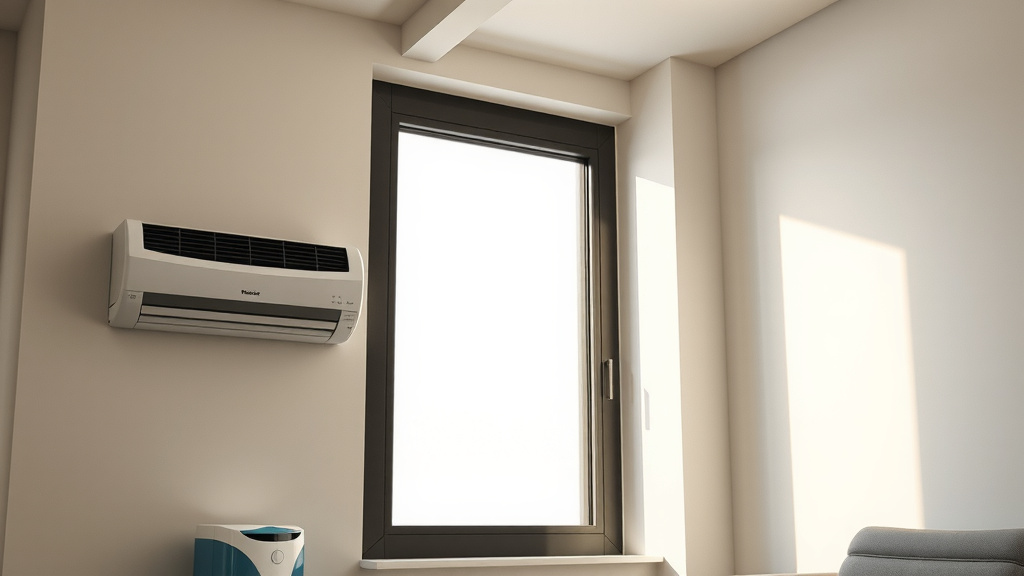
Yes, an air conditioner does dehumidify your home as a natural part of its cooling process. While its primary job is to lower temperature, removing moisture from the air is a significant side effect.
Think of your air con as a dual-purpose appliance, working to both cool your space and reduce mugginess, making your indoor environment much more comfortable.
- Your air conditioner removes humidity as it cools the air.
- This happens because cold coils condense moisture, much like a cold drink glass on a warm day.
- However, an air conditioner is often not as efficient as a dedicated dehumidifier for serious moisture issues.
- Factors like your unit’s size, age, and external temperatures all impact its ability to dry out the air.
Does Air Con Dehumidify?
Your air conditioning system naturally pulls moisture from the air while it cools your home. This process helps create a much more comfortable indoor environment by reducing stickiness.
We often think of air conditioners purely for their cooling power. Yet, their ability to tackle humidity is a welcome bonus, making humid days feel much more bearable inside.
How Air Con Works: A Simple Explanation
Imagine your air conditioner as a giant refrigerator for your home. It works by circulating refrigerant through coils.
Warm, humid air from your room passes over these cold coils. The coils absorb the heat, cooling the air. This is the core cooling function you feel.
The Dehumidification Side Effect: Condensation
When warm, moist air hits the cold evaporator coil, something magical happens. The moisture in the air condenses into liquid water.
This is the same principle as the condensation forming on a cold glass of iced tea. This collected water then drips into a drain pan and flows out of your home.
Why Your AC Doesn’t Feel “Dry” Enough Sometimes
Even though your AC removes moisture, you might still feel muggy. This often happens because the system cycles off once the desired temperature is met.
It might reach your temperature goal before it has fully removed all excess humidity. This leaves you feeling cool but still a bit sticky, especially on very humid days.
Air Con vs. Dedicated Dehumidifier: What’s the Difference?
Both appliances remove moisture, but they have different primary goals. Your air conditioner’s main job is cooling, with dehumidification as a byproduct.
A dedicated dehumidifier, however, focuses solely on extracting moisture from the air. It doesn’t cool your home; some models even add a tiny bit of heat.
Many experts say that for areas with serious dampness, a standalone dehumidifier is far more effective. It can target humidity without over-cooling your space (National Institutes of Health).
When Your AC Isn’t Enough: Signs You Need More Help
You might notice several signs if your air conditioner isn’t handling humidity well. These can indicate you need additional moisture control.
Look for a persistent clammy feeling, even when the temperature is cool. You might also spot condensation on windows or a musty smell in certain rooms.
Unpleasant Odors and Health Concerns
High humidity can lead to more than just discomfort. It creates a perfect breeding ground for mold and mildew. This can cause musty odors and potentially trigger allergies or asthma (Centers for Disease Control and Prevention).
Factors Affecting AC Dehumidification
Several things influence how well your air conditioner removes moisture. The size of your unit is a big one. An oversized AC might cool your home too quickly.
When it cools too fast, it runs for shorter periods, which means less time for the coils to condense moisture. This leaves more humidity in the air.
Your AC’s maintenance also plays a role. A dirty filter or low refrigerant can reduce its efficiency, impacting both cooling and moisture removal.
Optimizing Your AC for Better Dehumidification
You can take steps to help your existing air conditioner work better at drying the air. Setting your thermostat a few degrees higher can actually help.
This allows your AC to run for longer cycles, giving it more time to collect and drain moisture. Consider using your AC’s “dry mode” if it has one; this setting specifically targets humidity.
Regular Maintenance Matters
Keep your AC unit well-maintained. Change your air filters regularly, at least every 1-3 months. A clean filter ensures proper airflow over the coils.
Schedule annual professional check-ups. A technician can clean coils and check refrigerant levels, ensuring your system runs at peak performance.
The Science of Dew Point
Understanding dew point helps explain humidity. The dew point is the temperature at which air becomes saturated with water vapor and forms dew.
A lower dew point means there’s less moisture in the air, making it feel drier. Your AC works by lowering the air’s temperature below its current dew point, forcing condensation.
Humidity Levels You Should Aim For
Experts often suggest aiming for indoor humidity levels between 30% and 50%. This range is ideal for both comfort and health.
Too low can cause dry skin and static electricity. Too high encourages mold growth and feels stuffy. A simple hygrometer can help you monitor your home’s levels.
Benefits of Proper Humidity Control
Keeping humidity in check offers many advantages. It makes your home feel cooler at the same temperature, saving energy.
It also protects your belongings, like wooden furniture and electronics, from moisture damage. And, it creates a healthier living space by discouraging allergens.
Understanding AC Settings for Humidity
Many modern air conditioners come with advanced settings. Look for a “Dry” mode, which might run the fan at a lower speed while still cooling, prioritizing moisture removal.
Avoid using “Fan only” mode in humid conditions. This setting just circulates existing air and can actually make your home feel more humid by not removing any moisture.
Common Misconceptions About AC and Humidity
One common myth is that turning your AC to its lowest temperature setting will dry the air best. While it cools, it might cycle off too quickly, as we mentioned.
Another is thinking any AC will solve extreme dampness. Sometimes, you simply need a dedicated dehumidifier for very wet basements or problem areas.
Choosing the Right Solution for Your Home
Consider your specific needs. If you live in a moderately humid area and your AC keeps you comfortable, you might not need more. However, if you have persistent mold or a perpetually sticky feeling, a separate dehumidifier is a wise choice.
Checklist for a Drier Home
- Monitor humidity with a hygrometer.
- Ensure your AC is the correct size for your space.
- Perform regular AC maintenance (filters, coils).
- Consider running your AC with a slightly higher temperature.
- Use your AC’s “Dry” mode if available.
- Seal leaks around windows and doors to prevent moisture entry.
- Use exhaust fans in bathrooms and kitchens to vent steam.
| Feature | Air Conditioner (AC) | Dedicated Dehumidifier |
|---|---|---|
| Primary Function | Cooling the air | Removing moisture from the air |
| Dehumidification | Byproduct of cooling | Primary function, very efficient |
| Temperature Impact | Lowers air temperature | Little to no impact, may slightly warm |
| Best Use | General comfort, moderate humidity | High humidity, damp areas, mold prevention |
| Energy Use | Higher (for cooling) | Lower (for moisture removal) |
Conclusion
Your air conditioner definitely helps reduce humidity, making your home feel much nicer. It acts as a natural dehumidifier by condensing moisture from the air as it cools.
However, for spaces with very high humidity or persistent dampness, a dedicated dehumidifier might offer a more effective solution. Understanding your home’s needs and how your systems work will help you maintain a comfortable and healthy environment all year round.
What is the ideal indoor humidity level?
The ideal indoor humidity level typically falls between 30% and 50%. This range promotes comfort, helps prevent mold growth, and protects your home’s structure and furnishings.
Can an oversized air conditioner cause high humidity?
Yes, an oversized air conditioner can surprisingly lead to high humidity. It cools the space too quickly and cycles off before it has sufficient time to remove enough moisture from the air, leaving a clammy feeling.
Does running the AC fan continuously help with humidity?
Running the AC fan continuously without the cooling compressor often does not help with humidity. It just circulates existing humid air, which can sometimes make the space feel even muggier by preventing moisture removal.
Do all air conditioners have a “dry mode”?
Not all air conditioners have a specific “dry mode.” This feature is more common in newer or more advanced models. Always check your unit’s manual to see if this setting is available and how to use it.
Can plants increase indoor humidity levels?
Yes, houseplants release moisture into the air through a process called transpiration. While a few plants may not make a huge difference, a large number of plants in a small, poorly ventilated space can contribute to higher indoor humidity levels.
