Are Dehumidifiers Safe to Leave on Overnight?

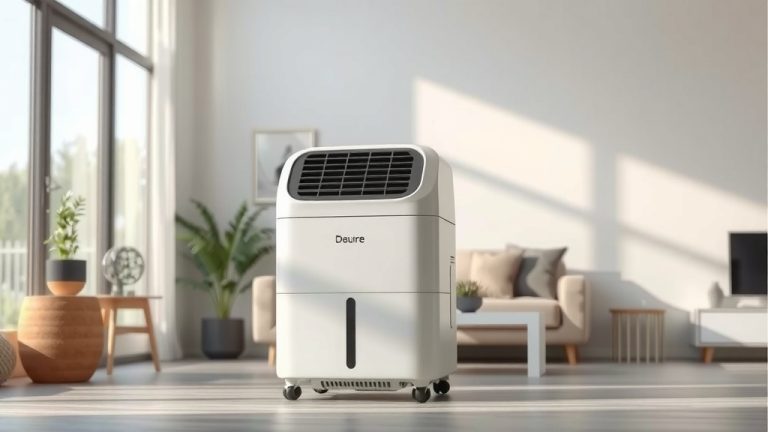
Yes, dehumidifiers are generally safe to leave on overnight, provided you follow manufacturer guidelines and ensure proper maintenance.
Many modern dehumidifiers are designed with safety features like automatic shut-off and continuous drain options, making them suitable for extended use.
Here’s a quick summary if you’re short on time:
- Most dehumidifiers are safe for overnight use, especially newer models.
- Look for features like automatic shut-off and continuous drainage.
- Regular cleaning and maintenance are key to safe operation.
- Leaving it on can significantly improve your indoor air quality and sleep.
- Always place your unit on a stable surface with proper clearance.
Are Dehumidifiers Safe to Leave on Overnight?
Yes, leaving your dehumidifier on overnight is generally safe when you follow the manufacturer’s instructions and maintain the unit correctly.
Modern dehumidifiers often include safety features designed for continuous, worry-free operation.
Why You Might Want to Leave Your Dehumidifier On
Imagine waking up feeling refreshed, without that stuffy, damp feeling in the air. That’s a common benefit of running a dehumidifier while you sleep.
High humidity can make your home feel sticky and uncomfortable. It can also create an environment where allergens and mold thrive (CDC).
Running your dehumidifier overnight helps maintain a consistent, healthy humidity level. This can lead to better sleep quality and a fresher feeling home.
The Comfort Factor for Better Sleep
Have you ever noticed how hard it is to sleep in a humid room? Our bodies naturally try to cool down, and high humidity hinders this process.
A dehumidifier removes excess moisture, making the air feel cooler and lighter. This helps your body regulate its temperature, promoting deeper, more restful sleep.
Addressing Common Safety Concerns
It’s smart to think about safety when operating any appliance for long periods. Let’s look at a few common worries about overnight dehumidifier use.
Fire Risk: Is It a Real Threat?
The risk of a fire from a properly maintained dehumidifier is very low. We found that reputable brands design their units with safety in mind.
Old or damaged units, or those with faulty wiring, pose a greater risk. Always make sure your unit is in good working condition.
Noise Levels While You Sleep
Some dehumidifiers can be quite loud, which might disturb your sleep. However, many newer models are designed for quieter operation.
If noise is a concern, consider a model specifically marketed as quiet or place it a bit further from your bed. Sound insulation mats can also help dampen vibrations and noise.
Energy Consumption and Your Wallet
Running any appliance overnight uses electricity. Dehumidifiers consume varying amounts of power, depending on their size and efficiency.
Look for Energy Star certified models to save on electricity costs. You can also use a timer to run it during off-peak hours or only when humidity is highest.
Water Tank Overflow and Leaks
Most modern dehumidifiers come with an automatic shut-off feature. This means the unit stops running when the water tank is full, preventing overflows.
For truly worry-free overnight operation, consider a unit with a continuous drain option. This lets you connect a hose to a drain, so you never have to empty the tank.
Tips for Safe Overnight Operation
Making your dehumidifier a safe sleep companion is easy with a few simple steps. Think of it like preparing your car for a long road trip – a little prep goes a long way.
- Check for Proper Placement: Place your dehumidifier on a flat, stable surface. Give it at least 6-12 inches of space around all sides for good airflow.
- Empty the Water Tank: Always empty the tank before you go to bed. This prevents it from filling up and stopping mid-cycle, especially if you don’t have continuous drainage.
- Clean Filters Regularly: A clogged filter makes the unit work harder, potentially leading to overheating. Clean or replace filters as recommended by the manufacturer.
- Inspect Power Cords: Before use, quickly check the power cord for any fraying or damage. Never use an extension cord with a dehumidifier (NFPA).
- Set the Right Humidity Level: Most experts suggest keeping indoor humidity between 30% and 50%. This range is comfortable and discourages mold growth.
Choosing the Right Dehumidifier for Overnight Use
Not all dehumidifiers are created equal. Knowing the types can help you pick the best one for your bedroom or living space.
Desiccant vs. Compressor Dehumidifiers
Compressor models are common and work well in warmer, more humid environments. They can be a bit louder due to the compressor.
Desiccant dehumidifiers are often quieter and perform better in cooler temperatures. They tend to be more expensive but are a good choice for bedrooms.
Smart Features for Peace of Mind
Many units now come with smart features. These include digital humidistats, programmable timers, and even Wi-Fi connectivity.
A digital humidistat helps you maintain a precise humidity level. Timers allow you to schedule operation, meaning it can turn off after you’re asleep or before you wake up.
Here’s a quick comparison to help you decide:
| Feature | Benefit for Overnight Use | Consideration |
|---|---|---|
| Auto Shut-Off | Prevents water tank overflow. | Unit stops running when full. |
| Continuous Drain | No need to empty tank, truly hands-free. | Requires a nearby drain or sink. |
| Low Noise Levels | Undisturbed sleep. | Often found in desiccant or premium compressor models. |
| Digital Humidistat | Maintains precise humidity. | More energy efficient than manual settings. |
When NOT to Leave Your Dehumidifier On Overnight
While generally safe, there are times when it’s better to turn off your dehumidifier before bed.
If you notice any unusual noises, strange smells, or a burning odor, turn off the unit immediately and unplug it. These could be signs of a malfunction.
Always avoid running a dehumidifier in a room with very young children or pets unsupervised, especially if they might tamper with it.
Your Overnight Dehumidifier Safety Checklist
Before you drift off to sleep, a quick check can give you real peace of mind. It takes just a minute to ensure everything is set for safe operation.
- Is the unit on a stable, level surface?
- Is there enough clearance for airflow?
- Is the water tank empty or connected to continuous drainage?
- Are the filters clean and unobstructed?
- Is the power cord undamaged and plugged directly into a wall outlet?
- Is the humidity setting appropriate (between 30% and 50%)?
Conclusion
Leaving your dehumidifier on overnight is a practical and safe way to improve your home environment. Many experts agree that controlling indoor humidity is vital for comfort and health (EPA).
By choosing a modern unit with safety features and following basic maintenance steps, you can enjoy drier, more comfortable air. You can rest easy knowing you’re creating a healthier sleeping space for yourself and your family.
Frequently Asked Questions
Are all dehumidifiers safe for continuous use?
Most modern dehumidifiers from reputable brands are built for continuous use. However, always check your specific model’s manual for recommended operating times and guidelines.
How often should I empty the water tank if I run it overnight?
If your unit doesn’t have a continuous drain, you should empty the water tank every day. If it fills quickly, you might need to empty it more than once daily, especially if humidity levels are very high.
Can a dehumidifier make a room too dry?
Yes, if left on without proper control, a dehumidifier can make a room too dry. This can cause dry skin, irritated sinuses, and damage to wooden furniture. Use a unit with a built-in humidistat to maintain humidity between 30% and 50%.
What’s the ideal humidity level for sleeping?
Many experts suggest an ideal indoor humidity level between 40% and 50% for optimal comfort and health. This range discourages mold growth while preventing the air from becoming too dry.
Do dehumidifiers require a lot of maintenance for overnight use?
Regular maintenance is simple but important. This includes cleaning or replacing the air filter every few weeks or months, depending on use, and occasionally cleaning the water tank and coils to prevent mold or dust buildup.