
Does an Air Conditioner Dehumidify a Room?
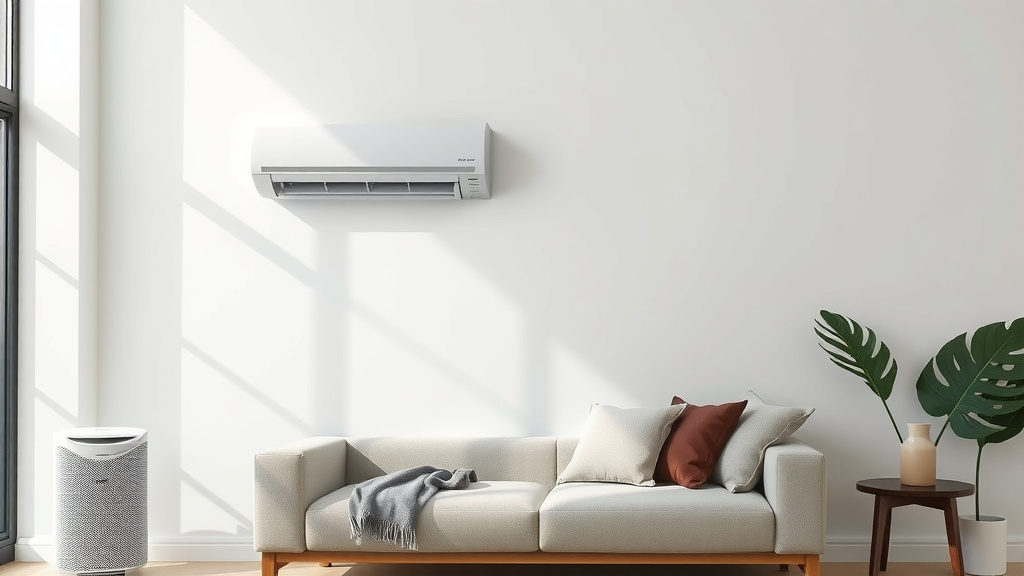
Yes, an air conditioner does dehumidify a room as a natural part of its cooling process. When your AC cools the air, it also removes moisture, making your space feel much more comfortable.
However, an air conditioner is designed primarily for temperature control, so it won’t be as efficient at humidity removal as a dedicated dehumidifier.
Here’s a quick overview of what you’ll discover in this guide:
- Air conditioners remove moisture while cooling, providing some dehumidification.
- They are not as effective as dedicated dehumidifiers for high humidity issues.
- ACs work best for moderate humidity, but can struggle in very damp environments.
- Running an AC just for dehumidification uses more energy than a standalone unit.
- For persistent dampness or mold concerns, a dehumidifier is the better choice.
Does an Air Conditioner Dehumidify a Room?
You might be wondering if your air conditioner can pull double duty, handling both cooling and humidity. The answer is a clear yes, it certainly does. Your AC unit actually plays a significant role in making your indoor air less humid.
This dehumidifying action happens as a natural part of its cooling cycle. You experience this benefit every time your AC runs. It’s a bonus that helps you feel cooler and more comfortable without even trying.
How Your AC Tackles Humidity
Think about a cold glass of iced tea on a hot summer day. You’ll notice moisture forming on the outside, right? That’s condensation at work. Your air conditioner uses a similar principle to extract moisture from your home’s air.
As warm, humid air passes over the AC’s cold evaporator coils, the moisture in the air condenses into liquid. This water then drips into a drain pan and is channeled away, usually outside your home. It’s an effective way to lower the overall humidity level.
The AC’s Dehumidifying Mechanism Explained
Your AC unit is essentially a giant refrigerator for your home’s air. It cools the air by absorbing heat. A pleasant side effect of this cooling process is the removal of excess moisture. Research shows this process works quite efficiently for general comfort (NIH).
The colder the coils get, the more condensation occurs, and the more humidity is removed. So, while its main goal is cooling, your AC provides a noticeable reduction in the air’s moisture content.
AC vs. Dehumidifier: What’s the Real Difference?
While an AC can dehumidify, its primary purpose is temperature control. A dedicated dehumidifier, on the other hand, has one mission: to remove moisture from the air. This fundamental difference means they operate quite differently.
A dehumidifier works without significantly altering the room temperature, making it ideal for spaces that are cool but damp. Many experts say a dehumidifier is much more energy-efficient for pure moisture removal.
When Your AC Falls Short on Dehumidification
Your AC is excellent at removing some humidity, but it has limits. If your home already feels cool but still clammy, your AC might not be running enough to adequately dehumidify. It cycles less when the desired temperature is met.
Trying to make your AC dehumidify more by setting it to a very low temperature can also cause issues. You might end up with an uncomfortably cold room, or significantly higher energy bills, without fully solving a serious humidity problem.
Signs You Might Need More Than Just Your AC
How do you know if your AC’s dehumidification efforts aren’t enough? Your home will often tell you. Here are some common signs that point to excessive indoor humidity:
- Your air feels heavy or sticky.
- There’s a persistent musty odor.
- Condensation appears on windows or cold surfaces.
- Wood floors or furniture start to warp.
- You notice visible mold growth on walls, ceilings, or fabrics.
Understanding Humidity Levels for Comfort
We found that keeping your indoor humidity between 30% and 50% is generally considered ideal for both comfort and health (Mayo Clinic). Anything above 50% can start to feel uncomfortable and encourage mold and mildew growth.
Monitoring your home’s humidity with a hygrometer can give you a better idea of your specific needs. This simple device helps you track your home’s moisture content accurately.
Optimizing Your AC for Better Dehumidification
If you want to maximize your AC’s dehumidifying potential, there are a few tricks you can try. First, ensure your AC unit is properly sized for your home. An oversized unit might cool too quickly and cycle off before it can remove enough moisture.
Some modern AC units also come with a “dry mode” or “dehumidify mode.” This setting allows the unit to run the fan at a lower speed while keeping the compressor on, maximizing moisture removal without overcooling your space. Another tip is to run your fan on a lower speed setting manually.
Should You Run Your AC All the Time for Humidity?
Using your AC solely for dehumidification can be costly. It’s designed to cool, which uses a fair amount of energy. Running it constantly just to dry out the air will likely lead to higher electricity bills and increased wear on your system.
Consider the energy trade-off carefully. For consistent humidity issues, a dedicated dehumidifier is often the more economical choice. It uses less power to achieve the same or better moisture reduction.
When to Bring in a Dedicated Dehumidifier
For areas like basements, crawl spaces, or laundry rooms, where dampness is a constant struggle, an AC simply won’t cut it. These spaces require the targeted, consistent action of a dehumidifier. We found that they are often a must-have for preventing structural damage and mold.
If you or your family members suffer from allergies or asthma, lowering indoor humidity can significantly reduce triggers like dust mites and mold spores. A dehumidifier can create a much healthier indoor environment.
Dehumidifier Types and Their Benefits
Not all dehumidifiers are the same! Here’s a quick look at the main types and their ideal uses:
| Type of Dehumidifier | Best Use Case |
|---|---|
| Compressor Dehumidifiers | Warm, humid environments (e.g., general living spaces). |
| Desiccant Dehumidifiers | Cooler environments (e.g., basements, garages, colder climates). |
| Whole-Home Dehumidifiers | Integrated with HVAC for consistent humidity control throughout your entire house. |
Choosing the right type depends on your specific needs and the typical temperature of the space you want to dehumidify. Each offers unique advantages for moisture control.
The Cost of High Humidity Without Proper Control
Ignoring high humidity can be a costly mistake for your home and your health. Lingering moisture can degrade building materials, ruin furniture, and even damage electronics. It creates a prime breeding ground for allergens.
Many guidelines point to maintaining proper humidity as a key step in preventing mold and mildew (CDC). These issues can lead to expensive repairs and potential respiratory problems. It’s always best to address humidity promptly and effectively.
Conclusion
Your air conditioner does indeed dehumidify your room, offering a pleasant bonus alongside its cooling function. It effectively removes a good deal of moisture from the air, especially when it’s running frequently to cool your space.
However, for persistent dampness, extreme humidity, or specific problem areas, a dedicated dehumidifier is often the superior choice. It offers more efficient and targeted moisture removal without the need to overcool your home or rack up excessive energy bills. Knowing the difference helps you make the best decision for your home’s comfort and health.
Frequently Asked Questions
Can a window AC unit dehumidify as well as a central AC?
Both window AC units and central AC systems dehumidify through the same principle of condensation on cold coils. Central ACs typically have a larger capacity and distribute air more evenly, which can lead to more consistent dehumidification throughout your home. A window unit primarily affects the room it’s in.
Will setting my AC to a lower temperature remove more humidity?
Yes, generally, a lower temperature setting on your AC will cause the evaporator coils to get colder. This leads to more condensation and, therefore, more moisture removal. However, it can also make your room uncomfortably cold and increase your energy consumption significantly, which is not ideal for just humidity control.
Is “Dry Mode” on an AC the same as a dehumidifier?
No, “Dry Mode” on an AC is not exactly the same as a dedicated dehumidifier, but it mimics its function. In Dry Mode, your AC often runs the fan at a lower speed and cycles the compressor more frequently to maximize moisture extraction with less cooling. While more efficient than standard cooling for dehumidification, it still isn’t as specialized or effective as a standalone dehumidifier.
Can high humidity damage my AC unit?
Excessively high humidity can put more strain on your AC unit. The system has to work harder to condense and remove the extra moisture from the air, which can lead to increased energy consumption and potentially shorten the lifespan of certain components. Regular maintenance, including checking the condensate drain, helps prevent issues.
How can I tell if my AC’s dehumidification is working properly?
You can tell if your AC’s dehumidification is working by how comfortable you feel and by checking the humidity levels with a hygrometer. If the air feels less sticky, and the humidity gauge reads between 30% and 50% when your AC is running, it’s doing its job. You should also see water draining from the unit’s condensate line outside.
