
Does an Air Conditioner Dehumidify the Air?
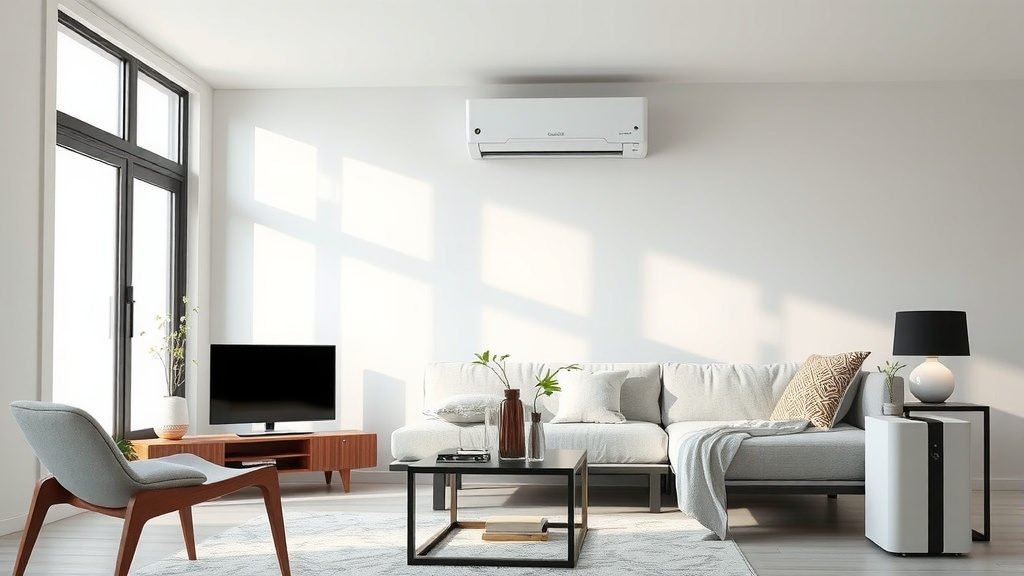
Yes, an air conditioner does dehumidify the air as it cools your home. This process is a natural byproduct of how it removes heat.
However, while an AC reduces humidity, it isn’t designed to be as efficient or precise as a dedicated dehumidifier for serious moisture problems.
- TL;DR: Your AC offers some humidity relief while cooling, but it’s not a full solution.
- TL;DR: It removes moisture by condensing it as it cools the air, making your home feel less sticky.
- TL;DR: For truly damp spaces or specific humidity targets, a standalone dehumidifier is much more effective.
- TL;DR: Using an AC for primary dehumidification can be less energy-efficient than a dedicated unit.
- TL;DR: Knowing the difference helps you choose the right tool for your home’s comfort and health.
Does an Air Conditioner Dehumidify the Air?
You might have noticed your home feels less sticky after running the air conditioner. This isn’t just your imagination. Air conditioners certainly pull moisture out of the air as part of their cooling cycle.
We found that this happens because the cold coil inside the AC causes water vapor in the air to condense into liquid. Think of it like a cold glass of water “sweating” on a warm day. That condensation is the humidity leaving your air.
How Your AC Takes Moisture Out of the Air
Let’s break down how this works. Warm, humid air from your home gets pulled into the AC unit.
It then passes over a very cold evaporator coil. As the warm, moist air hits this cold surface, the water vapor can’t stay gaseous anymore.
It changes state, turning into tiny water droplets. These droplets collect and drain away, usually through a condensate line. Research shows this process is how your AC both cools and dries the air (Department of Energy).
The “Cooling and Drying” Connection
When your air conditioner runs, it has two main jobs: removing heat and removing humidity. These two tasks are linked.
By lowering the temperature, it naturally causes moisture to condense. You get both a cooler and a slightly drier indoor environment.
Is an AC as Good as a Dehumidifier? Not Quite.
While an AC does dehumidify, it’s crucial to understand its limitations. Its primary goal is cooling, not humidity control.
Many experts say that an air conditioner’s dehumidifying power is a happy side effect. It’s not optimized for precise humidity levels.
Here’s a quick comparison of how they stack up:
| Feature | Air Conditioner (AC) | Dedicated Dehumidifier |
|---|---|---|
| Primary Purpose | Cooling the air | Removing moisture from the air |
| Humidity Control | A byproduct of cooling; less precise | Main function; precise humidity setting |
| Temperature Effect | Lowers temperature | Slightly raises temperature (some models are neutral) |
| Energy Use | High for cooling, less efficient for just drying | More efficient for targeted humidity removal |
| Ideal Use | General comfort in warm weather | Damp basements, laundry rooms, high humidity areas |
When Your AC Might Be Enough for Humidity Control
If your home generally feels comfortable and you only experience mild stuffiness during peak summer, your AC might be doing enough.
When the outdoor humidity isn’t excessively high, or your home is well-sealed, your AC can often keep things in check. It’s great for taking the edge off that muggy feeling.
Signs Your Home Needs More Than Just AC
Sometimes, your AC simply can’t keep up. How do you know if you need more help?
Look for these tell-tale signs: musty odors, condensation on windows, clammy skin even when it’s cool, or visible mold growth. These are clear signals that your humidity levels are too high (CDC).
Considering a Dedicated Dehumidifier: When to Make the Move
If you’re seeing those warning signs, it might be time for a specialized tool. A dedicated dehumidifier is built to tackle serious moisture.
It can operate independently of temperature, allowing you to maintain ideal humidity levels without over-cooling your home. Many experts agree that ideal indoor humidity sits between 30% and 50% (EPA).
Benefits of Optimal Humidity Levels
Keeping humidity in check does more than just make you feel comfortable. It protects your home from mold and mildew growth, which can damage structures and trigger allergies or asthma (NIH).
Additionally, it can help preserve wood furniture, electronics, and even reduce pests that thrive in damp environments.
- Checklist for Choosing a Dehumidifier:
- Evaluate your space: Is it a small room, basement, or whole house?
- Consider capacity: Look for “pints per day” ratings that match your area’s dampness.
- Look for energy efficiency: An Energy Star label can save you money.
- Drainage options: Manual bucket emptying or continuous drain hose?
- Noise level: Some models are quieter than others, important for living spaces.
- Smart features: Humidistat, auto-shutoff, or smart controls can be very handy.
Tips for Reducing Humidity Beyond Your AC
Even if you have an AC or a dedicated dehumidifier, there are other steps you can take. Small changes can make a big difference.
Use exhaust fans in bathrooms and kitchens. Fix leaky pipes promptly. Ensure proper ventilation in your home, especially in areas prone to dampness.
Energy Efficiency and Your Comfort
Running your AC purely to dry the air can be energy-intensive. A dehumidifier often uses less energy to remove the same amount of moisture, especially when cooling isn’t needed.
By using the right tool for the job, you can achieve better comfort and potentially lower your energy bills. It’s about being smart with your home’s systems.
Conclusion
Your air conditioner is a valuable tool that offers a dual benefit: cooling your home and reducing some of its humidity. It’s good for taking the edge off on moderately muggy days.
However, for serious dampness, persistent musty smells, or a desire for precise humidity control, a dedicated dehumidifier is the more effective and often more energy-efficient choice. Understanding this difference helps you create a truly comfortable and healthy living environment.
Does running the AC on “fan only” mode dehumidify?
No, running your AC on “fan only” mode does not dehumidify the air. The fan simply circulates existing air without passing it over the cold evaporator coils, which is the part of the process that removes moisture.
Can low humidity from an AC cause problems?
Yes, if an AC over-dries the air, it can lead to problems. Very low humidity can cause dry skin, irritated sinuses, and static electricity. It can also dry out wood furniture and musical instruments. Aim for a healthy balance, usually between 30% and 50% relative humidity.
How can I tell if my AC is effectively dehumidifying?
You can tell if your AC is effectively dehumidifying by how the air feels. If it feels less sticky and more comfortable, it’s working. For a more precise check, use a hygrometer (humidity meter) to measure the indoor humidity levels.
Does setting the AC to a colder temperature remove more humidity?
Generally, yes, a colder setting can lead to more dehumidification. The colder the evaporator coil gets, the more moisture will condense on it. However, this also means your AC runs longer and uses more energy to reach that lower temperature.
Are there AC units specifically designed for better dehumidification?
Some newer AC units, especially certain smart or variable-speed models, offer “dry modes” or enhanced dehumidification settings. These are designed to prioritize moisture removal by running the fan at a lower speed while keeping the coils cold, without over-cooling the room. We found that these can offer a good balance for many homeowners.
