
Does Using a Dehumidifier Cool the Air?
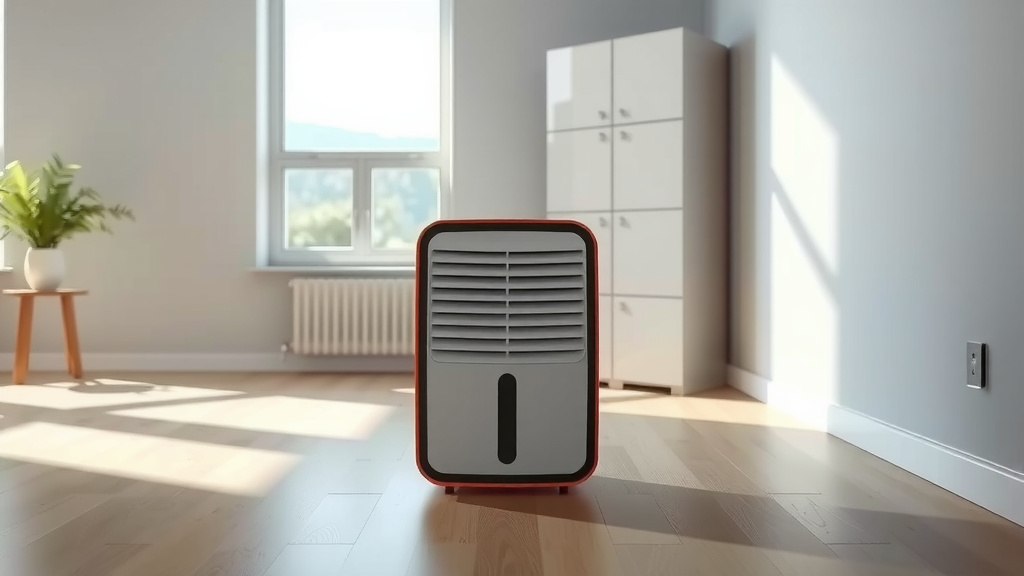
No, a dehumidifier does not actively cool the air in your room. Its primary job is to remove excess moisture, which can make the air feel more comfortable and sometimes cooler, but it won’t lower the actual temperature.
You might experience a sensation of coolness because lower humidity helps your body’s natural cooling process work better. This effect often leads people to think the air temperature has dropped.
- A dehumidifier primarily removes moisture from the air, not heat.
- While the room temperature won’t drop, you’ll often feel much cooler and more comfortable.
- This happens because less humidity allows your sweat to evaporate more effectively, cooling your skin.
- Dehumidifiers use energy and can slightly increase the air temperature, though this effect is usually minor.
- They offer significant benefits for your health and home comfort, especially in damp environments.
Does Using a Dehumidifier Cool the Air?
You might wonder if turning on your dehumidifier brings down the temperature. The short answer is not in the way an air conditioner does. A dehumidifier’s main role is to pull moisture out of the air.
Even though it doesn’t lower the thermometer reading, you will likely feel much more comfortable. It’s all about how your body reacts to humid conditions.
Understanding How Dehumidifiers Work
Think of your dehumidifier as a magnet for water vapor. It draws in warm, moist air over a cold coil. This coil cools the air rapidly, causing the water vapor to condense into liquid droplets.
These water droplets then drip into a collection bucket. The now-drier air is released back into the room. This process removes humidity, which is key to feeling cooler.
The Sensation of Coolness Explained
Have you ever noticed how a muggy day feels hotter than a dry day with the same temperature? That’s humidity at play. High humidity prevents sweat from evaporating from your skin effectively.
Sweat evaporation is your body’s natural cooling system. When a dehumidifier reduces humidity, your sweat can evaporate easily. This evaporation process creates a cooling effect on your skin, making you feel much cooler.
Humidity vs. Temperature: A Clear Difference
It’s important to separate humidity from temperature. Temperature is a measure of how hot or cold the air is. Humidity measures the amount of water vapor present in that air.
You can have high temperatures with low humidity, or moderate temperatures with very high humidity. Each affects your comfort differently. Lowering humidity directly boosts your comfort, even if the temperature stays the same.
Impact on Body Temperature Regulation
Your body is incredibly smart at keeping you at a comfortable temperature. When you get hot, your glands produce sweat. As this sweat turns into vapor on your skin, it carries heat away from your body.
In a very humid environment, the air is already saturated with water. There isn’t much room for your sweat to evaporate, so you feel sticky and hot. A dehumidifier helps restore your body’s natural cooling cycle.
Do Dehumidifiers Add Heat to a Room?
Yes, technically, they do. Dehumidifiers use electricity to run their internal fan and compressor. Like any electrical appliance, they generate a small amount of heat as a byproduct of their operation.
We found that this heat increase is usually minimal and often goes unnoticed, especially because the comfort improvement from lower humidity usually outweighs the slight warmth. Many experts say the perceived cooling effect is far more dominant (Energy Star).
Benefits Beyond Just Feeling Cooler
Even if they don’t cool directly, dehumidifiers offer many other benefits. They can help prevent mold and mildew growth, which thrive in damp conditions. This is great for your health and home.
Lower humidity also protects your wooden furniture, musical instruments, and electronics from moisture damage. It can even make your home smell fresher and less musty. Research often connects high indoor humidity with respiratory issues (CDC).
Where Should You Use Your Dehumidifier?
Dehumidifiers are most effective in areas prone to high moisture. Basements, crawl spaces, and bathrooms are prime locations. Laundry rooms and even damp bedrooms can also benefit greatly.
Consider placing yours in the dampest room. If you notice condensation on windows or a musty odor, that’s a good sign a dehumidifier is needed there. Targeting specific problem areas yields the best results.
Choosing the Right Size Dehumidifier
Picking the correct size is vital for efficiency. Dehumidifiers are rated by how many pints of moisture they can remove per day. A smaller unit in a large, very damp space won’t be effective.
For a moderately damp room, a 30-pint unit might be fine. Very wet basements could require a 50-pint or 70-pint unit. Matching the capacity to your space is crucial for optimal performance.
Maintenance Tips for Peak Performance
To keep your dehumidifier running efficiently, regular maintenance is key. Empty the water bucket often, or connect a hose for continuous drainage if your model allows it.
Clean the air filter regularly, typically every few weeks, to prevent dust buildup. A clean filter helps the unit run smoothly and maintains good air circulation. This care ensures it keeps pulling moisture effectively.
When is the Best Time to Use a Dehumidifier?
You should use your dehumidifier whenever indoor humidity levels are consistently above 50-60%. Many modern units have a humidistat that lets you set a target humidity level.
During humid seasons, like summer or periods of heavy rain, running your dehumidifier is very helpful. It can run continuously or as needed to maintain optimal comfort and air quality.
Dehumidifier vs. Air Conditioner: What’s the Difference?
It’s easy to confuse these two appliances, but they have distinct functions. An air conditioner primarily cools the air by removing heat. A dehumidifier primarily removes moisture from the air.
While ACs do dehumidify as a secondary function, they aren’t always as efficient at it as a dedicated dehumidifier. If your main problem is mugginess without extreme heat, a dehumidifier is the more energy-efficient choice.
An Analogy: Wet Towel vs. Dry Towel
Imagine wearing a wet towel on a hot day. You’d feel incredibly sticky and uncomfortable, right? Now, imagine wearing a dry towel. It might still be hot, but you wouldn’t have that suffocating mugginess.
A dehumidifier is like taking off that wet towel. It removes the extra moisture, allowing your skin to breathe and cool itself naturally. The air isn’t colder, but it feels so much better. This helps you understand the comfort difference.
| Feature | Dehumidifier | Air Conditioner |
|---|---|---|
| Primary Function | Removes moisture | Cools air by removing heat |
| Effect on Temperature | No direct cooling; slight temp increase | Actively lowers air temperature |
| Effect on Comfort | Makes air feel cooler by reducing humidity | Makes air feel cooler by reducing temperature and some humidity |
| Energy Use | Generally lower energy than AC | Higher energy use, especially for cooling |
| Best Use | High humidity, dampness, mold prevention | High temperatures, overall cooling needs |
Signs You Need a Dehumidifier
Not sure if a dehumidifier is right for you? Look for these common indicators around your home. Many experts point to these as clear signals of excess moisture.
- You see condensation on windows or cold pipes.
- There’s a persistent musty or damp smell.
- You notice mold spots on walls, ceilings, or fabrics.
- Allergy symptoms seem worse when at home.
- The air feels sticky and heavy, even if it’s not extremely hot.
- Your wooden floors or furniture show signs of warping.
Conclusion
A dehumidifier won’t directly lower the temperature of your room, but it’s a powerhouse for improving comfort. By pulling excess moisture from the air, it allows your body to cool itself more efficiently through sweat evaporation.
You’ll feel a noticeable difference, enjoying air that feels crisper and much less oppressive. Beyond comfort, these appliances play a vital role in protecting your home from mold and moisture damage. Investing in one means investing in a healthier, more comfortable living space.
What is the ideal humidity level for a home?
The ideal humidity level for most homes is between 40% and 50%. This range helps prevent mold growth while also keeping the air comfortable for breathing. Going too low can make the air feel dry, causing skin and respiratory irritation.
Can a dehumidifier replace an air conditioner in hot weather?
No, a dehumidifier cannot replace an air conditioner in hot weather if your primary need is cooling. While it will make you feel more comfortable by reducing humidity, it won’t lower the actual air temperature like an AC unit does. They serve different main purposes.
Will running a dehumidifier make my electricity bill much higher?
Running a dehumidifier will add to your electricity bill, as it consumes power to operate. However, it generally uses less electricity than an air conditioner. The cost depends on the unit’s size, your local electricity rates, and how often you run it. Many people find the comfort and health benefits worth the operating cost.
Can a dehumidifier help with allergies or asthma?
Yes, a dehumidifier can often help reduce allergy and asthma symptoms. By keeping indoor humidity levels balanced, it discourages the growth of common triggers like dust mites, mold, and mildew. These allergens thrive in damp conditions, so reducing moisture can lead to a healthier environment for sufferers.
How quickly will I notice a difference after turning on a dehumidifier?
You’ll likely start to feel a difference in the air quality and comfort within a few hours of turning on a dehumidifier, especially in smaller, very damp spaces. For larger rooms or very high humidity, it might take a bit longer, perhaps up to a day or two, to reach optimal humidity levels and experience the full effect.
