How Do You Say Dehumidifier in Spanish?
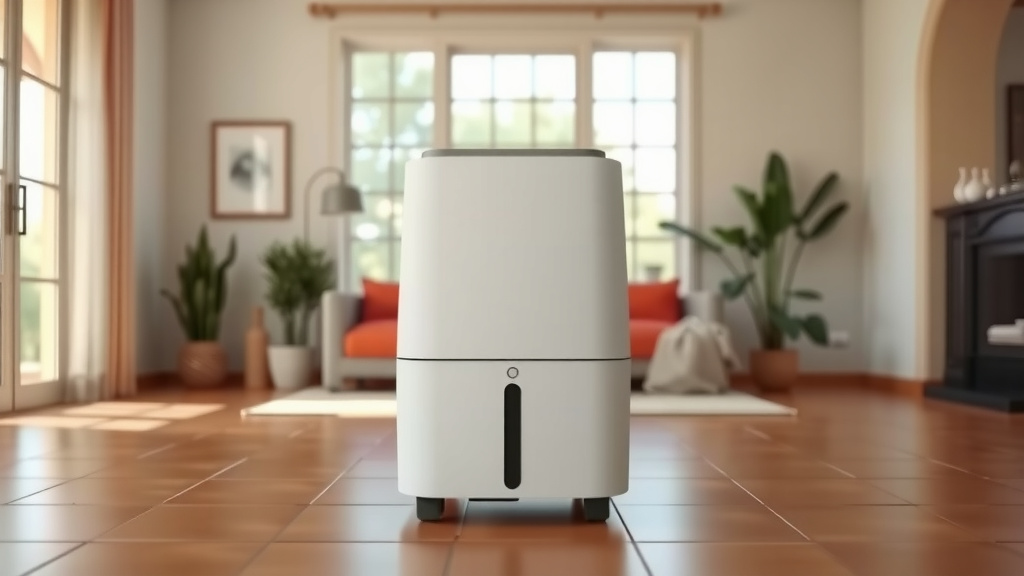
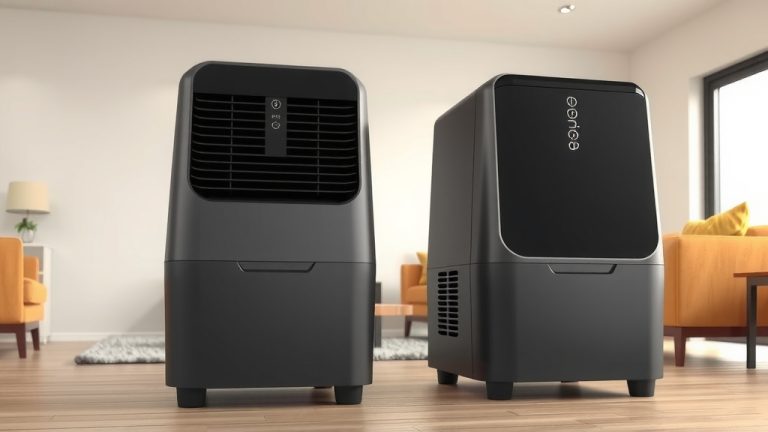
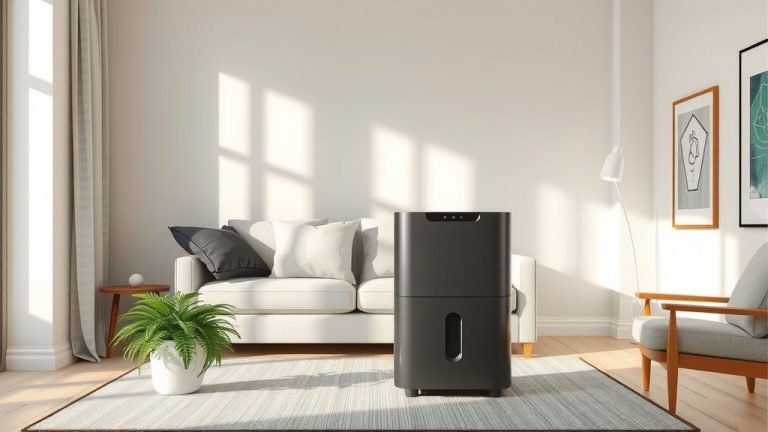
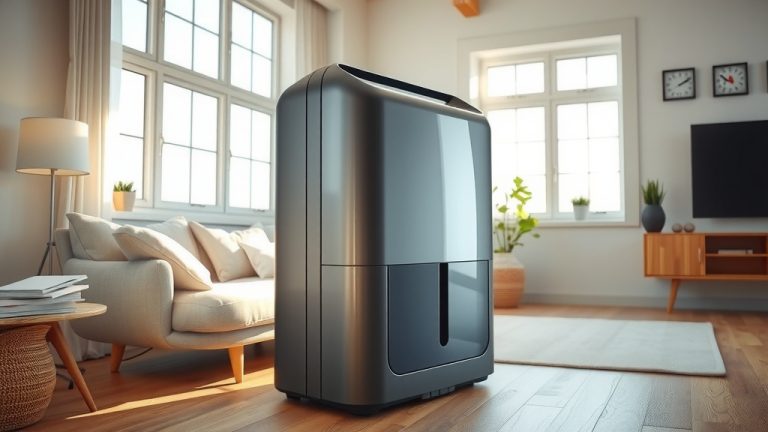
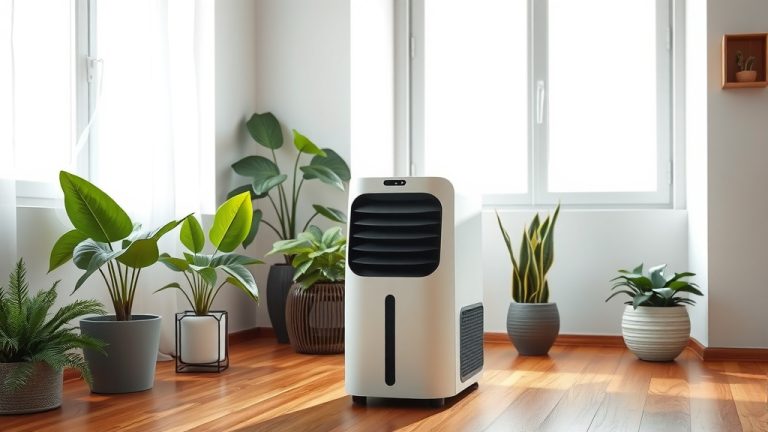
To say dehumidifier in Spanish, you would use the word “deshumidificador.”
This term directly translates to a device that removes humidity from the air, making your home feel more comfortable.
- The Spanish word for dehumidifier is “deshumidificador,” a direct and widely understood term.
- Understanding terms like “humedad” (humidity) and “moho” (mold) helps in Spanish-speaking contexts.
- Dehumidifiers tackle issues like musty smells, sticky air, and condensation in homes.
- Controlling indoor humidity protects your property and improves your overall comfort.
- When choosing one, consider its capacity, energy efficiency, and any special features it offers.
How Do You Say Dehumidifier in Spanish?
The most common and accurate translation for dehumidifier in Spanish is deshumidificador. This single word helps you identify the appliance that tackles excess moisture. It is widely understood across Spanish-speaking countries, making it easy to use.
You might hear other descriptive phrases, but “deshumidificador” is the standard. It directly describes its function: “des-” (un- or de-) and “humidificador” (humidifier). It’s quite straightforward once you know it.
Understanding “Humedad”: The Core Problem
Before diving deeper, let’s talk about humedad. This is the Spanish word for humidity. It refers to the amount of water vapor in the air. High humidity is often the main reason you need a dehumidifier in the first place.
Too much humedad can cause many problems in your living space. Have you ever felt that clammy, sticky feeling indoors? That’s often a sign of high humidity. It just doesn’t feel pleasant, does it?
Why High Humidity is a Real Issue
High humidity isn’t just uncomfortable; it can be quite damaging. It creates an ideal environment for several unwanted guests. Think about what happens in a steamy bathroom if you don’t air it out properly. The same thing can happen throughout your home.
We’ve all seen surfaces that feel damp or windows with condensation. These are clear signs. Understanding the impacts helps you appreciate the role of a deshumidificador even more. It’s a tool for better home health.
Health Impacts of Too Much Moisture
Excess humidity can affect your health. It encourages the growth of allergens and irritants. Many experts say that maintaining indoor humidity between 30% and 50% is ideal (EPA).
For instance, mold and mildew thrive in damp conditions. These can trigger allergies, asthma, and other respiratory issues. Research often connects high indoor humidity with poor air quality (CDC). No one wants to breathe in mold spores, right?
Protecting Your Home and Belongings
Beyond health, your home itself is at risk. High humidity can damage wooden furniture, flooring, and even electronic devices. Books can warp, and clothes in closets can develop a musty smell. It’s like a slow, invisible attack on your property.
Imagine finding mold spots on your favorite leather bag or seeing paint peel. A deshumidificador helps prevent these costly repairs. It helps preserve the items you cherish and the structure of your home.
Common Humidity Problems and Their Spanish Names
Knowing the right terms can help you discuss these issues. This is especially true if you are explaining the problem to someone who speaks Spanish. It makes communication so much clearer and more direct.
Here’s a quick table of common humidity problems and their Spanish equivalents. This can be very helpful for quick reference.
| Problem in English | Problem in Spanish | What it Means |
|---|---|---|
| High Humidity | Humedad Alta | Too much water vapor in the air. |
| Mold | Moho | Fungus that grows in damp places. |
| Musty Smell | Olor a Humedad / Olor a Moho | Unpleasant smell from dampness. |
| Condensation | Condensación | Water droplets on cool surfaces. |
| Dampness | Humedad / Mojado | Feeling of slight wetness. |
How a Deshumidificador Works its Magic
A deshumidificador works by drawing in moist air from the room. It then passes this air over a cold coil. Think of it like a cold glass of water on a hot day; condensation forms on the outside. This is what happens inside the machine.
The moisture in the air condenses into water droplets, which are collected in a bucket. The now-dry air is then released back into the room. It’s a simple yet very effective process, continuously improving your air quality.
Types of Deshumidificadores
Just like any appliance, dehumidifiers come in different types. Understanding these types helps you choose the right one for your specific needs. Each type works best in certain conditions.
- Refrigerant Dehumidifiers: These are the most common for homes. They use a cooling coil to condense moisture, similar to how an air conditioner works. They are very efficient in warm, humid conditions.
- Desiccant Dehumidifiers: These use a special material that absorbs moisture from the air. They work well in cooler environments, like basements or garages, where refrigerant models might struggle.
- Whole-House Dehumidifiers: These are typically integrated into your home’s HVAC system. They provide humidity control for your entire house, offering a more consistent solution.
Choosing the Right Deshumidificador for You
Selecting the right dehumidifier can feel a bit overwhelming at first. But don’t worry, it’s simpler than it seems. The key is to match the unit’s features to your specific needs. Consider the size of your space and the level of humidity you face.
Here’s a quick checklist to guide your decision-making:
- Room Size: Is it for a small bedroom or a large basement?
- Humidity Level: How severe is the moisture problem?
- Drainage Options: Do you prefer a bucket or continuous drainage?
- Energy Efficiency: Look for Energy Star ratings to save on bills.
- Noise Level: Will it be in a living area or a quieter space?
- Special Features: Do you need a humidistat or auto-shutoff?
Importance of Capacity and Coverage
The capacity of a dehumidifier is measured by how many pints of water it can remove per day. This is a very important factor. A small 30-pint unit is perfect for a small room, while a 70-pint unit is better for a large, damp basement.
Also, consider the square footage it covers. An undersized unit will run constantly and still not reach the desired humidity level. This means more energy use and less effective moisture removal.
Maintaining Your Deshumidificador
Just like any appliance, your deshumidificador needs a little care. Regular maintenance ensures it works efficiently and lasts longer. It’s not a lot of work, but it makes a big difference in its performance. A well-maintained unit keeps your air fresh.
Empty the water bucket regularly, or ensure the continuous drain is working. Clean the air filter every few weeks; a dirty filter blocks airflow and reduces efficiency. Also, keep the coils clean. These simple steps help your machine run smoothly.
Enjoying a Drier, Healthier Home
Once you have a working deshumidificador, you’ll notice a real difference. The air will feel lighter and fresher. That musty smell will disappear, and you might even breathe a little easier. It’s amazing what a difference proper humidity control makes.
You’ll protect your furniture, electronics, and even your health. Isn’t it worth the peace of mind to know your home is a drier, more comfortable space? Many people find it’s a game-changer for their indoor environment.
Conclusion
Learning how to say dehumidifier in Spanish, which is deshumidificador, is a helpful step. More importantly, understanding the problem of “humedad” and the solution it offers is key. This appliance isn’t just a luxury; for many, it’s a necessity for a healthy home.
By investing in and properly maintaining a dehumidifier, you are taking a practical step. You are safeguarding your health and your property. So, the next time you feel that sticky air, you’ll know exactly what to ask for, no matter the language.
What are the signs of high humidity in a home?
Common signs include a sticky or clammy feeling in the air, condensation on windows or cold surfaces, musty odors, visible mold or mildew growth, and warped wood floors or furniture. You might also notice clothes feeling damp or taking a long time to dry indoors.
Can a deshumidificador help with allergies?
Yes, a dehumidifier can definitely help with allergies. High humidity encourages the growth of common allergens like dust mites, mold, and mildew. By reducing indoor moisture levels, you create an environment less favorable for these triggers, which can ease allergy symptoms.
How long does it take for a dehumidifier to work?
The time it takes depends on several factors: the initial humidity level, the size of the room, and the capacity of your dehumidifier. You might notice a difference in air quality within a few hours. Significant humidity reduction usually occurs within 24 to 48 hours of continuous operation.
Should I run my dehumidifier all the time?
It’s generally not necessary to run your dehumidifier all the time. Most models have a humidistat that allows you to set a target humidity level, often between 30% and 50%. The unit will then turn on and off as needed to maintain this level, saving energy and extending its lifespan.
Are there any energy-saving tips for using a deshumidificador?
To save energy, choose an Energy Star-rated model. Keep windows and doors closed when the unit is running. Clean the air filter regularly to maintain efficiency. Also, consider placing it in the area with the highest humidity, rather than trying to dehumidify your entire home with one small unit.