
How Much Does a Dehumidifier Help?
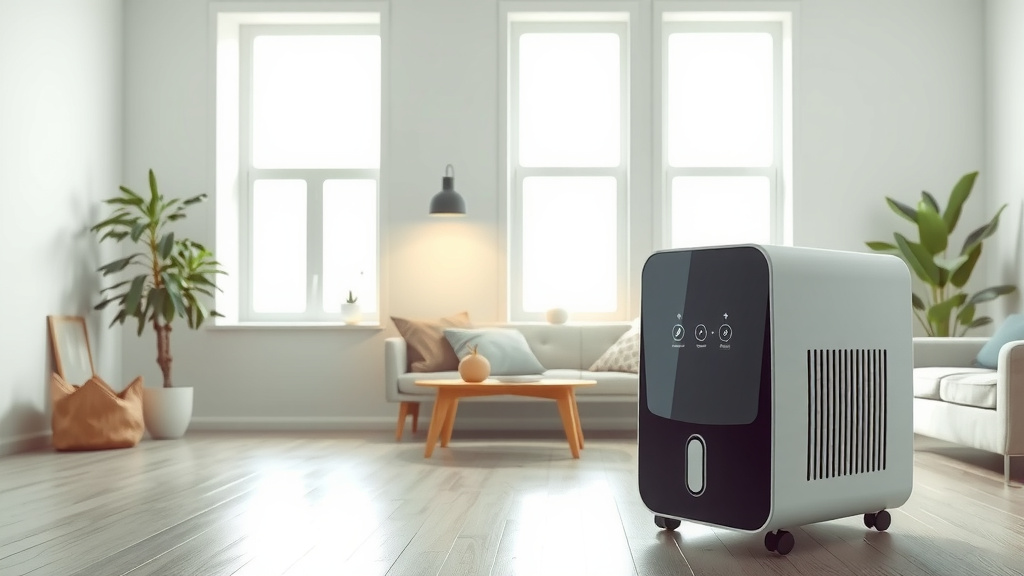
Dehumidifiers significantly help by removing excess moisture, making your home feel more comfortable and protecting it from humidity-related damage.
They work to reduce humidity levels, stopping mold, mildew, and dust mites in their tracks, leading to improved indoor air quality and structural integrity.
Here’s a quick overview of how a dehumidifier can help you:
- They actively lower excess humidity, making your home feel much better.
- You can prevent mold and mildew growth, especially in damp areas.
- They reduce allergens, like dust mites, improving air quality.
- Your home’s structure and belongings are protected from moisture harm.
- You might even notice your air conditioner works more efficiently.
How Much Does a Dehumidifier Help?
A dehumidifier helps immensely by actively pulling excess moisture from the air, creating a healthier and more comfortable living space for you and your family.
Understanding Humidity in Your Home
Have you ever walked into a room and felt that heavy, muggy air? That’s high humidity at work. It’s the amount of water vapor floating in your air.
For your home, ideal indoor humidity levels generally sit between 30% and 50% (Mayo Clinic). Anything consistently above this can lead to many problems you’d rather avoid.
When humidity climbs too high, your home can start to feel stuffy and sticky. It makes the air feel warmer than it truly is, often prompting you to crank up the air conditioning.
Beyond comfort, high humidity can become a breeding ground. We found that it creates perfect conditions for unwanted guests like mold, mildew, and dust mites to thrive.
The Core Benefits of Using a Dehumidifier
So, you know humidity can be a problem. But how exactly does a dehumidifier step in as your home’s unsung hero? Let’s look at the real difference it makes.
Controlling Mold and Mildew Growth
Mold and mildew love damp, warm places. They spread quickly on surfaces like walls, ceilings, and fabrics when humidity is high. Many experts say that keeping humidity below 60% significantly slows or stops their growth (CDC).
A dehumidifier takes away the moisture they need to grow. This helps protect your home’s surfaces and keeps those musty odors at bay. Think of it as putting a stop to unwelcome microscopic invaders.
Reducing Allergens and Dust Mites
Dust mites are tiny creatures that can cause big problems for allergy sufferers. They flourish in humid environments, particularly in bedding, carpets, and upholstered furniture. Research often shows a direct link between high humidity and increased dust mite populations (NIH).
By lowering humidity, your dehumidifier makes your home less hospitable for these mites. This simple act can mean fewer sneezes and clearer breathing for those with sensitivities.
Protecting Your Home’s Structure
Excess moisture isn’t just a surface problem. Over time, it can seep into walls, floors, and wooden structures. This can lead to warping, rot, and even damage to your foundation.
A dehumidifier helps safeguard your home’s integrity. It removes that damaging moisture from the air, protecting your biggest investment from costly repairs down the road.
Improving Indoor Air Quality
When the air is less humid, it feels fresher and cleaner. This helps reduce stale odors that often come with dampness. You might notice a pleasant, neutral smell throughout your rooms.
Good air quality also means less condensation on windows and pipes. This simple change means a more breathable and enjoyable living environment for everyone.
Boosting Comfort Levels
Humid air feels warmer and stickier. Your body struggles to cool itself through sweat evaporation when the air is already saturated with moisture. This leads to that clammy, uncomfortable feeling.
By drying out the air, a dehumidifier makes your home feel cooler and more comfortable. You’ll feel a noticeable difference, especially during those hot, muggy summer months.
Saving on Energy Bills
When your home feels warmer due to humidity, you often run your air conditioner more. Your AC has to work harder to both cool the air and remove moisture.
A dehumidifier takes on the moisture removal job. This lets your AC focus mainly on cooling, potentially making it run less often. We found that this can lead to lower overall energy consumption during humid periods.
Where Do Dehumidifiers Make the Biggest Difference?
While a whole-house dehumidifier helps everywhere, some spots in your home are moisture magnets. These areas usually benefit most from focused dehumidification.
- Basements and Crawl Spaces: These underground areas are notorious for dampness. They often lack proper ventilation and can harbor significant moisture.
- Bathrooms and Laundry Rooms: Steam from showers and dryers can quickly raise humidity. A dehumidifier here can help prevent lingering dampness.
- Living Areas and Bedrooms: If you notice condensation on windows or a stuffy feel, these spaces might need help, especially in humid climates.
How Do You Know if You Need One?
Not sure if your home has a humidity problem? There are some clear signs to look for:
Do you see condensation on your windows, especially in the mornings? Do certain rooms have a persistent musty or damp smell? Perhaps your clothes feel slightly damp when pulled from the closet?
Another strong indicator is a sticky or clammy feeling on your skin, even when the temperature is mild. These are all clues that your home’s humidity might be too high.
For a precise answer, you can use a hygrometer. This small device measures humidity levels and gives you a clear reading. If it consistently shows readings above 50-55%, a dehumidifier can offer great relief.
Choosing the Right Dehumidifier Size
Dehumidifiers are sized by how much moisture they can remove in 24 hours (pints per day). Picking the right size is very important for it to work well. A unit too small will struggle, while one too large might waste energy.
Here’s a general guide for typical conditions:
| Area Size (Square Feet) | Slightly Damp (40-50% humidity) | Very Damp (60-70% humidity) |
|---|---|---|
| 500 sq ft | 10-12 pints | 12-16 pints |
| 1000 sq ft | 12-16 pints | 16-20 pints |
| 1500 sq ft | 16-20 pints | 20-25 pints |
| 2000 sq ft | 20-25 pints | 25-30 pints |
What to Look for When Buying a Dehumidifier
Ready to get one? Here are a few important features to consider before you buy. These choices will help you get the best fit for your home and needs.
Capacity (Pints per day)
As we just discussed, this is how much moisture it can remove. Match it to your room size and humidity level for optimum performance.
Energy Star Rating
An Energy Star certified unit uses less electricity. This means lower operating costs over time. It’s a smart choice for your wallet and the environment.
Drainage Options
Some units have a removable bucket you empty by hand. Others offer continuous drainage via a hose, which is great for basements with a floor drain. Consider which works best for you to avoid constant emptying.
Noise Level
Dehumidifiers make some noise. If it’s for a bedroom or living area, look for models advertised as quiet or with a lower decibel rating. A quieter unit makes for a more peaceful home.
Humidistat Feature
This lets you set a desired humidity level, just like a thermostat for temperature. The unit will then turn on and off automatically to maintain that level. This saves energy and ensures consistent comfort.
Setting Up Your Dehumidifier for Best Results
Once you have your dehumidifier, a proper setup ensures it works its best. Follow these simple steps for maximum effectiveness:
- Place the unit in the dampest area of the room.
- Keep it away from walls and furniture for good airflow (at least 6-12 inches).
- Close windows and doors in the room where it operates.
- Set the humidistat to your desired level, typically between 40-50%.
- Clean the air filter regularly to keep it running efficiently.
Are There Any Downsides?
While dehumidifiers offer many benefits, it’s fair to look at the whole picture. There are a few things to keep in mind before you make a purchase.
Energy Consumption
They use electricity to run, which will add to your power bill. However, an Energy Star rated unit helps manage this, and the comfort benefits often outweigh the cost for many homeowners.
Maintenance Needs
You’ll need to empty the water bucket regularly or set up a continuous drain. The air filter also needs cleaning every few weeks. This is minor upkeep, but it’s important for efficient operation.
Initial Cost
There’s an upfront cost for the unit itself. Prices vary based on size and features. Think of it as an investment in your home’s health and your family’s comfort.
Conclusion
Dehumidifiers truly are powerful allies in maintaining a healthy, comfortable home. By actively battling excess moisture, they help prevent a host of problems, from mold growth and allergens to structural damage. They improve your air quality, boost your comfort, and can even contribute to more efficient energy use.
If you’ve noticed signs of high humidity, such as musty smells, condensation, or a sticky feeling, a dehumidifier is a practical solution. Choosing the right size and features will help you create a drier, fresher, and more enjoyable living space for years to come. It’s a simple step that makes a real difference.
Frequently Asked Questions
How quickly does a dehumidifier work to reduce humidity?
The speed at which a dehumidifier works depends on its capacity, the room size, and the initial humidity level. Smaller, damp rooms might see a noticeable difference in a few hours, while larger or very humid spaces could take a day or two to reach desired levels.
Is it okay to leave a dehumidifier running all the time?
You can leave a dehumidifier running constantly, especially if it has a humidistat. This feature allows the unit to cycle on and off automatically to maintain your set humidity level, saving energy and preventing the air from becoming too dry.
What is the ideal humidity level for a home?
Most experts suggest keeping your home’s indoor humidity level between 30% and 50%. This range is comfortable for most people and helps to prevent the growth of mold, dust mites, and other moisture-loving pests.
Do dehumidifiers help with pet odors?
Dehumidifiers do not directly remove odors from the air. However, high humidity can make pet odors seem stronger and linger longer because moisture traps scent particles. By reducing humidity, a dehumidifier can indirectly help lessen the perception of pet odors and improve overall air freshness.
Can a dehumidifier make a room too dry?
Yes, if a dehumidifier runs continuously without a humidistat or in a naturally dry environment, it can make a room too dry. This can lead to issues like dry skin, static electricity, and damage to wooden furniture. Using a humidistat to set your desired humidity level helps prevent over-drying.
