
How Much Does a Dehumidifier Weigh?
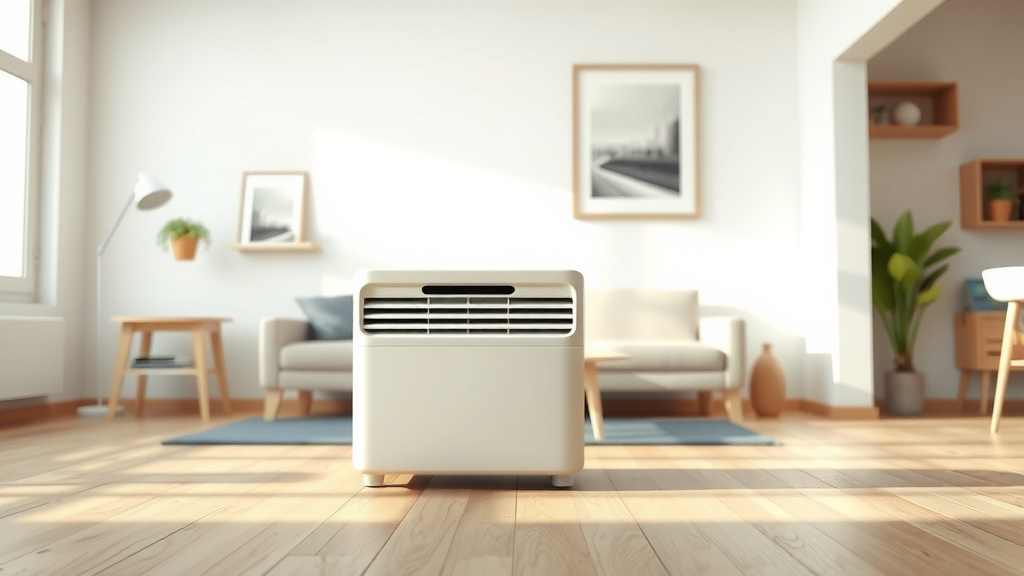
Most portable home dehumidifiers weigh between 30 and 60 pounds, though smaller models can be as light as 10-20 pounds, and larger industrial units can exceed 100 pounds.
The weight of a dehumidifier depends on its type, capacity, and features such as its water tank size, compressor, and casing material.
Here’s a quick overview of what you’ll learn about dehumidifier weights:
- Most home units are manageably heavy, around 30-60 lbs.
- Smaller dehumidifiers for bathrooms are lighter, often under 20 lbs.
- Larger, whole-house or industrial models can be very heavy, over 100 lbs.
- Factors like capacity, compressor size, and water tank contribute to its total weight.
- Understanding weight helps you with portability and placement.
How Much Does a Dehumidifier Weigh?
A typical home dehumidifier can weigh anywhere from 10 to over 100 pounds, with most common portable models falling into the 30 to 60-pound range.
The exact weight varies significantly based on its capacity and design, influencing how you move and place it.
Why Dehumidifier Weight is a Key Consideration
You might wonder why a dehumidifier’s weight matters. It’s more than just a number on the box!
Understanding the weight helps you plan for everything from buying to daily use, ensuring you pick the perfect model for your lifestyle.
Ease of Movement
Think about where you’ll use your dehumidifier. Will it stay in one spot, or will you need to move it between rooms or even floors?
A lighter unit is much easier to carry. If it’s too heavy, you might struggle, especially if you have stairs (Many experts suggest considering weight if frequent relocation is needed).
Setup and Installation
If you’re installing a whole-house dehumidifier in an attic or crawl space, its weight becomes even more critical. Heavier units may require more than one person for safe installation.
Even portable units need to be lifted onto shelves or tucked into corners, so knowing the weight helps with safe placement.
Core Factors Affecting Dehumidifier Weight
What makes one dehumidifier heavier than another? It’s a combination of several design choices and internal components. Let’s break down the main contributors.
Capacity Rating (Pints Per Day)
The capacity of a dehumidifier, measured in pints per day, tells you how much moisture it can remove. Generally, a higher capacity means a larger unit, and larger units typically weigh more.
A 50-pint unit needs bigger components than a 20-pint unit, naturally making it heavier (Many manufacturers correlate capacity directly with size and weight).
Internal Components and Compressor
Most dehumidifiers use a compressor, similar to a refrigerator, to cool air and condense moisture. A larger, more powerful compressor for higher capacity models adds significant weight to the machine.
The coils, fans, and internal plumbing also contribute to the overall heft, often made from durable, weighty metals.
Housing and Materials
The outer shell and internal frame play a role. Some units use lightweight plastic, while others might feature more robust metal casings for durability, which adds to their weight.
The quality of the housing can affect both the machine’s longevity and its physical weight, especially in industrial-grade models.
Water Reservoir Size
The tank that collects the removed water adds to the dry weight of the unit. A larger tank for a higher-capacity dehumidifier means more plastic or material, making the overall unit a bit heavier.
Remember, this is the dry weight. Once the tank fills with water, the dehumidifier becomes even heavier to move (Research shows a gallon of water adds about 8.34 pounds).
Typical Dehumidifier Weights by Category
Dehumidifiers come in various shapes and sizes, each designed for different needs. Here’s a general idea of what to expect weight-wise from each category.
Small, Compact Models
These are often found in bathrooms, closets, or very small rooms. They typically remove less moisture (10-20 pints) and are designed for portability.
You can expect these mini dehumidifiers to weigh anywhere from 10 to 25 pounds, making them quite easy to move and place (We found many such models weigh under 20 pounds).
Standard Portable Units
This is the most common type for homes, ranging from 30-70 pint capacities. They’re designed for single rooms, basements, or apartments.
These units generally weigh between 30 and 60 pounds. Many come with built-in casters (wheels) to help you roll them, which is a blessing for your back!
Large Capacity & Whole-House Systems
For large basements, entire homes, or very damp areas, you’ll find units rated for 70 pints and up. Whole-house systems are often integrated into your HVAC.
These powerhouses are heavier, often ranging from 60 to over 100 pounds. Their size and powerful components make them less portable, often meant for fixed installation.
Dehumidifier Weight Comparison Table
To give you a clearer picture, here’s a general comparison of dehumidifier weights:
| Dehumidifier Type | Typical Capacity (Pints/Day) | Approximate Dry Weight Range (Pounds) | Portability |
|---|---|---|---|
| Compact/Mini | 10-20 | 10-25 | Very Easy |
| Standard Portable | 30-70 | 30-60 | Easy (often with wheels) |
| Large Capacity/Whole-House | 70+ | 60-100+ | Difficult (fixed install) |
Handling and Moving Your Dehumidifier Safely
Even if your dehumidifier has wheels, you might need to lift it sometimes. Knowing how to do it safely can prevent injuries and keep your unit in good shape.
Always lift with your legs, not your back! If it feels too heavy, ask for help or use a hand truck.
Here’s a quick checklist for safe handling:
- Empty the water tank before moving.
- Unplug the unit completely from the wall.
- Use built-in handles or grips.
- If possible, tilt and roll on casters.
- For heavy units, ask a friend for assistance.
Selecting the Best Weight for Your Space
The “best” weight isn’t about lightest or heaviest. It’s about finding the right balance for your needs and how you plan to use the unit.
Consider your physical ability to move it, the size of your space, and if you need to relocate it frequently.
For example, if you live alone and need to move the unit from the basement to the living room often, a lighter portable model (30-40 lbs) with good casters is a smarter choice (We found that personal mobility is a key user consideration).
But if it’s staying put in a large, damp basement, a heavier, high-capacity unit might be more effective long-term, even if it’s harder to initially place.
Conclusion
Understanding how much a dehumidifier weighs is more practical than you might think. It impacts everything from initial setup to long-term use and maintenance. From lightweight mini-units at 10 pounds to robust whole-house systems topping 100 pounds, there’s a significant range.
Always consider your specific needs, the area you want to dehumidify, and your own ability to handle the unit. By matching the dehumidifier’s weight and capacity to your lifestyle, you ensure a drier, more comfortable home with less hassle. Choose wisely, and enjoy the benefits of balanced humidity!
Can a Dehumidifier Be Too Light to Be Effective?
A dehumidifier isn’t “too light” to be effective simply because of its weight, but rather because of its capacity. Very light units typically have a lower pint capacity, meaning they are designed for smaller spaces like closets or RVs. They might struggle to effectively remove moisture from a large room or a very damp basement. So, choose by capacity first, then consider weight for portability.
Do Dehumidifiers Get Heavier When Full of Water?
Yes, absolutely! The dry weight of a dehumidifier is what’s listed in the specifications. Once the water reservoir fills up, the unit will become heavier. Since a gallon of water weighs about 8.34 pounds, a unit with a full 2-gallon tank will weigh roughly 16-17 pounds more than its empty weight. Always empty the tank before attempting to lift or move the dehumidifier to avoid unnecessary strain.
Is a Heavier Dehumidifier Always More Powerful?
Not always, but there’s a strong correlation. Generally, dehumidifiers with higher moisture removal capacities (e.g., 70+ pints per day) require larger compressors, coils, and more robust construction, which naturally makes them heavier. So, while a heavier unit often implies higher capacity and power, it’s not a universal rule. Always check the pint capacity rating to truly understand its power.
What’s the Lightest Dehumidifier for a Small Room?
For very small rooms like bathrooms, walk-in closets, or tiny offices, you can find compact, thermo-electric (Peltier) dehumidifiers that weigh as little as 5-10 pounds. These are usually rated for 10-20 pints per day and are designed for very limited moisture removal. They are super easy to move, but not suitable for larger, moderately damp spaces.
How Can I Make My Dehumidifier Easier to Move?
If your dehumidifier doesn’t have built-in casters, you can place it on a rolling furniture dolly or a sturdy plant caddy with wheels. Always ensure the unit is unplugged and the water tank is empty before moving. For larger, heavier models, asking for help from another person is always the safest option to prevent injury to yourself or damage to the unit.
