
Are Refrigerant Dehumidifiers Safe?
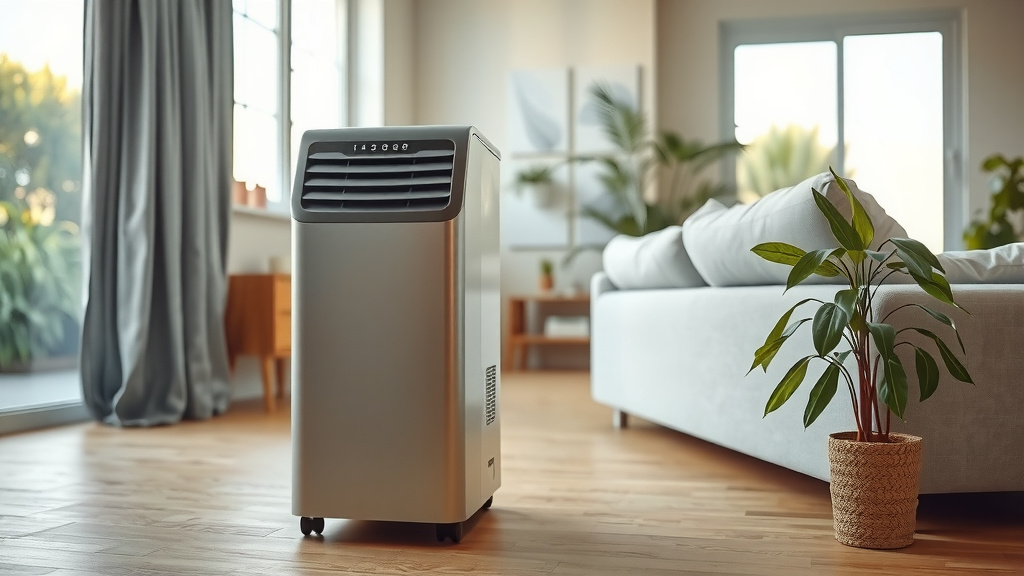
Yes, refrigerant dehumidifiers are generally safe when operated correctly and maintained regularly.
These appliances efficiently remove excess moisture from your home, helping prevent mold and improve air quality without typically posing a risk.
Here’s a quick summary of what you need to know about refrigerant dehumidifier safety:
- They are safe for home use when you follow directions.
- Modern units use safer refrigerants, often with built-in leak detection.
- Electrical safety is key; always use a grounded outlet.
- Regular cleaning prevents dust buildup and fire risk.
- Placement matters; allow airflow and keep away from walls.
Are Refrigerant Dehumidifiers Safe?
Yes, refrigerant dehumidifiers are safe for home use when you follow manufacturer’s instructions carefully. They offer a reliable way to control humidity levels in your living spaces. When you understand how they work and what precautions to take, you can use them with peace of mind.
Understanding How They Work
Refrigerant dehumidifiers, also called compressor dehumidifiers, pull moist air over a cold coil. Think of it like a cold drink glass sweating on a humid day. The moisture condenses into water droplets, which then collect in a bucket or drain away. The now dry, cooler air passes over a warm coil and is released back into the room. This process removes humidity effectively.
The Role of Refrigerants
These units use refrigerants, much like your refrigerator or air conditioner. Historically, some refrigerants were more concerning. However, modern residential refrigerant dehumidifiers use types like R-410A, which are safer for home environments. We found that newer models often use even more environmentally friendly refrigerants with low global warming potential (EPA).
Are Refrigerant Leaks a Real Danger?
A common worry is refrigerant leaks. For a typical home dehumidifier, the risk of a dangerous leak is very low. These appliances contain only a small amount of refrigerant. A slow leak would likely cause the unit to simply stop working effectively, rather than create an immediate hazard. You might notice your unit isn’t collecting water anymore, which often points to a refrigerant issue.
Electrical Safety First
Any electrical appliance requires careful handling, and your dehumidifier is no exception. Always plug your unit into a properly grounded electrical outlet. Avoid using extension cords, especially thin ones, as they can overheat. Make sure your outlet matches the unit’s power requirements. This helps prevent electrical fires and shocks.
Placement and Ventilation are Key
Where you put your dehumidifier matters a lot. You want to place it on a level, stable surface. Allow ample space around the unit for air to circulate freely. Many experts say you should keep it at least 6-12 inches away from walls and furniture. This ensures it can pull in and push out air efficiently without overworking. Proper placement prevents heat buildup and maintains effectiveness.
Regular Maintenance for Safety and Efficiency
Just like your car needs oil changes, your dehumidifier benefits from regular care. Cleaning the air filter every few weeks is crucial. A dirty filter restricts airflow, making the motor work harder and increasing the risk of overheating. Emptying the water bucket regularly or ensuring continuous drainage prevents overflows. These simple steps enhance both safety and how well your unit works.
- Check the power cord: Look for fraying or damage before each use.
- Clean the air filter: Rinse or vacuum it every 2-4 weeks.
- Empty the water bucket: Prevent spills and mold growth inside the bucket.
- Inspect for strange noises: Unusual sounds might signal a problem.
- Clear vents: Ensure nothing blocks air intake or exhaust.
Children and Pet Safety Measures
If you have curious children or pets, take extra precautions. Keep the dehumidifier out of their reach if possible. Ensure they cannot easily knock it over or tamper with the controls. The standing water in the bucket could also pose a drowning risk to very young children or small pets if left unattended. Always empty the bucket promptly.
What About Noise and Heat Output?
Refrigerant dehumidifiers do make some noise due to the compressor and fan. This is typically a steady hum, similar to a refrigerator. They also generate a small amount of heat as a byproduct of their operation. This heat is usually minimal and unlikely to cause a problem in most rooms. However, in very small, enclosed spaces, it might cause a slight temperature increase.
When to Be Cautious with Your Dehumidifier
While generally safe, there are times to be cautious. If your unit starts making unusual loud noises, smells like burning plastic, or sparks, turn it off immediately. Unplug it and have it inspected by a qualified technician. Do not try to repair it yourself if you are not an expert. Your safety comes first.
Here’s a look at safety considerations for different dehumidifier types:
| Dehumidifier Type | Primary Safety Points | Typical Risks |
|---|---|---|
| Refrigerant (Compressor) | Proper electrical hookup, clean filters, stable placement, refrigerant contained. | Electrical hazards if faulty, minor refrigerant leak (unit stops working), heat generation. |
| Desiccant | Avoid blocking air intake/exhaust, proper ventilation, placement on stable surface. | Higher heat output than compressor units, fire risk if vents blocked and unit overheats. |
Trusting Certifications and Brands
When buying a dehumidifier, look for safety certifications. A UL certification (Underwriters Laboratories) indicates that the product has met rigorous safety standards. Choosing reputable brands also often means better build quality and adherence to safety guidelines. This gives you an added layer of protection and peace of mind.
Conclusion
Refrigerant dehumidifiers are a safe and effective tool for managing humidity in your home. By understanding their basic operation, adhering to electrical safety guidelines, ensuring proper placement, and performing regular maintenance, you can use your unit confidently. Always follow the manufacturer’s instructions and respond quickly to any signs of malfunction. Your proactive approach helps maintain a dry, healthy, and safe living environment.
Are all refrigerants used in dehumidifiers safe?
Modern residential dehumidifiers primarily use R-410A, which is considered safe for home use. Older units might contain R-22, which is being phased out due to environmental concerns, but is not acutely toxic in small home appliance quantities. You will find that newer models are designed with safety and environmental standards in mind.
Can a dehumidifier cause a fire?
Any electrical appliance can pose a fire risk if faulty or improperly maintained. A dehumidifier can cause a fire if its electrical components malfunction, if the power cord is damaged, or if its motor overheats due due to restricted airflow from a dirty filter. Always keep filters clean and check cords regularly to prevent this.
Is it safe to leave a dehumidifier running all the time?
Most modern dehumidifiers are designed for continuous operation. Many experts suggest leaving them running to maintain consistent humidity levels, especially in damp areas like basements. However, you should still perform regular checks and maintenance. Ensure the water collection system is working correctly to avoid overflows if it is running constantly.
How do I know if my dehumidifier is leaking refrigerant?
A refrigerant leak in a home dehumidifier is rare and typically not dangerous. The most common sign is that the unit stops collecting water, even though it is running. You might also notice the coils are not cold, or the room’s humidity isn’t dropping. A professional technician can confirm a leak and make repairs.
Does a dehumidifier increase my electric bill significantly?
Operating a dehumidifier does consume electricity, which will impact your energy bill. The exact amount depends on the unit’s size, efficiency, and how often it runs. Many experts say that keeping humidity in check can actually save money by making your home feel cooler, so you might use your air conditioning less. Look for Energy Star certified models for better efficiency.
