
What Is a Desiccant Dehumidifier?
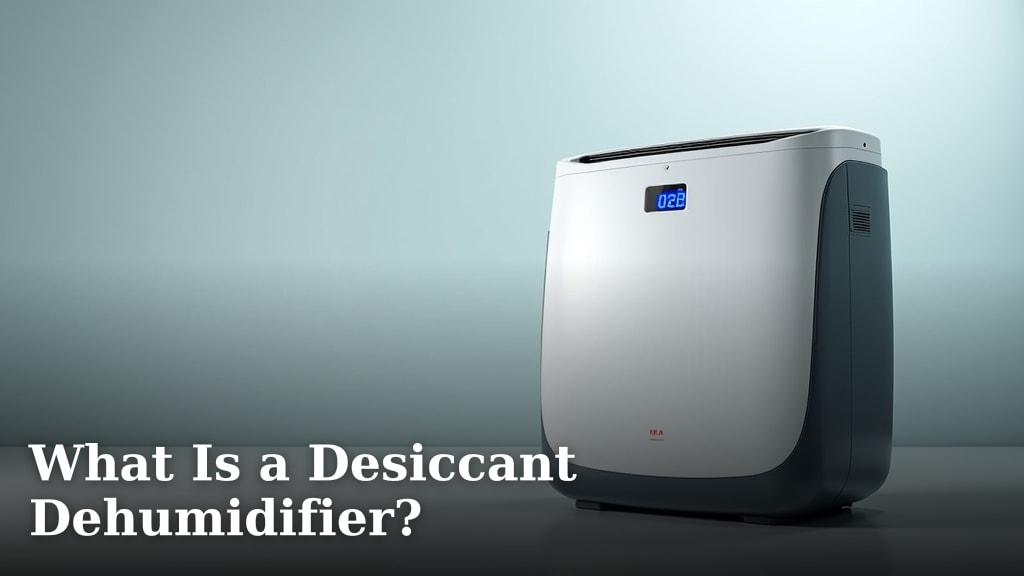
A desiccant dehumidifier is a type of dehumidifier that uses a special material, called a desiccant, to absorb moisture from the air. Think of it like a giant sponge that never gets oversaturated, constantly pulling humidity out of your environment. This differs from other dehumidifier types that cool air to condense water.
You might need one of these if you live in a cold climate or if your space has very low temperatures, as traditional dehumidifiers struggle in such conditions. We found that desiccant models work exceptionally well even when it’s chilly, making them a versatile choice for many homes and businesses. They don’t produce frost, so they keep working efficiently.
TL;DR: What is a Desiccant Dehumidifier?
- Uses a desiccant material (like silica gel) to remove moisture.
- Works well in cooler temperatures where other dehumidifiers struggle.
- Does not use a compressor or refrigerant, making it quieter.
- Ideal for garages, basements, boats, and unheated rooms.
Let’s dive deeper and understand exactly how these clever devices tackle excess humidity, and whether one is the right choice for your needs.
How Desiccant Dehumidifiers Work Their Magic
A desiccant dehumidifier captures moisture using a special material that loves water. It’s a clever process that keeps your air dry and comfortable.
The Core Mechanics: Spinning Wheel of Dryness
Imagine a large, porous wheel inside the dehumidifier. This wheel is coated with a desiccant material, usually silica gel, similar to the little packets you find in new shoes or electronics. As air from your room is pulled into the machine, it passes over this spinning wheel. The desiccant material acts like a powerful magnet for moisture, absorbing humidity from the air (Environmental Protection Agency).
Moisture Absorption and Regeneration Cycles
Once the desiccant wheel has absorbed moisture, it moves to another section of the dehumidifier. Here, a small heater warms up this saturated section. This warming causes the desiccant to release the stored water, turning it into humid air. This humid air is typically vented out of the room or collected in a water tank as condensation. Meanwhile, the now dry part of the wheel keeps spinning, ready to absorb more moisture from your room’s air. It’s a continuous, self-renewing cycle.
Comparison to Refrigerant Dehumidifiers
You might be wondering how this differs from the dehumidifiers you’re most familiar with. Most common dehumidifiers are refrigerant (or compressor) models. They work by cooling a coil to condense moisture out of the air, much like a cold glass sweats on a hot day.
The key difference is temperature dependence. Refrigerant models struggle in cooler environments because the coils can freeze, making them inefficient. Desiccant dehumidifiers don’t use this cooling process. They rely purely on the desiccant’s ability to absorb water, which works just as well in cold temperatures (National Institute of Standards and Technology). This makes them superior in chilly spaces.
| Feature | Desiccant Dehumidifier | Refrigerant Dehumidifier |
|---|---|---|
| Operating Temperature | Effective in cold (below 60°F / 15°C) | Struggles in cold (prone to icing) |
| Noise Level | Generally quieter | Can be louder due to compressor |
| Weight | Often lighter and more compact | Usually heavier and bulkier |
| Heating Effect | Releases some warm, dry air | Cooler, drier air output |
| Power Consumption | Can be higher due to heater | Generally more energy-efficient in warm temps |
| Moisture Removal Rate | Consistent across temperatures | Decreases significantly in cold |
Where Desiccant Dehumidifiers Shine
Because of their unique way of handling moisture, desiccant dehumidifiers are ideal for specific situations. They truly excel where other types fall short.
Cold Environments and Unheated Spaces
This is where desiccant dehumidifiers truly earn their stripes. If you need to dry out a garage, a basement in winter, an unheated workshop, or even a boat when it’s docked in colder weather, a desiccant model is your best choice. We found that they maintain their efficiency even when temperatures drop to freezing point or lower (American Society of Heating, Refrigerating and Air-Conditioning Engineers). You won’t have to worry about cold coils freezing up and stopping the dehumidification process.
Consider your attic, storage unit, or even an RV during cooler months. These are all perfect spots. Traditional dehumidifiers just don’t perform well in these conditions, leaving you with stagnant, damp air. A desiccant unit keeps things dry and mildew-free.
Quiet Operation and Portability
Do you prioritize peace and quiet? Desiccant dehumidifiers are typically much quieter than their compressor-based cousins. They don’t have a noisy compressor rumbling away. This makes them suitable for spaces where noise is a concern, such as a bedroom, a home office, or even a smaller apartment where you might notice every sound.
Many desiccant models are also lighter and more compact. This makes them easier to move from room to room, or even to take with you if you need to dry out a different location. Their portability is a big plus for many users.
Potential Downsides to Consider
While desiccant dehumidifiers offer many advantages, they aren’t without a few potential drawbacks. It’s smart to weigh these before making your decision.
Energy Consumption and Heating Effect
Because desiccant dehumidifiers use a heating element to regenerate the desiccant material, they can sometimes consume more electricity than refrigerant models, especially in warmer conditions. This is a point to consider if electricity costs are a major factor for you. Think about where you’ll be using it most. If it’s a cold space, the slight increase in energy might be worth it for the superior performance.
Another thing to note is that they tend to release slightly warmed, drier air. In an already cold space, this can be a welcome bonus, perhaps even taking the chill out of the air. In a hot, humid space, however, this added warmth might not be what you want. We found that people enjoy this gentle heating effect in places like a chilly basement, but not so much in a stuffy attic in summer.
Water Collection and Maintenance
Like all dehumidifiers, desiccant models collect water. You’ll either have a water tank that needs to be emptied regularly, or you can opt for continuous drainage if your model supports it. Regular emptying can be a minor chore, depending on how much moisture your unit is pulling out of the air. Make sure you choose a model with an adequately sized tank for your needs, or explore continuous drainage options to save you a trip to the sink.
Maintenance is generally straightforward, usually involving occasional cleaning of the air filters to ensure optimal performance. Keeping the filters clean helps the unit breathe and work its best, pulling moisture out efficiently.
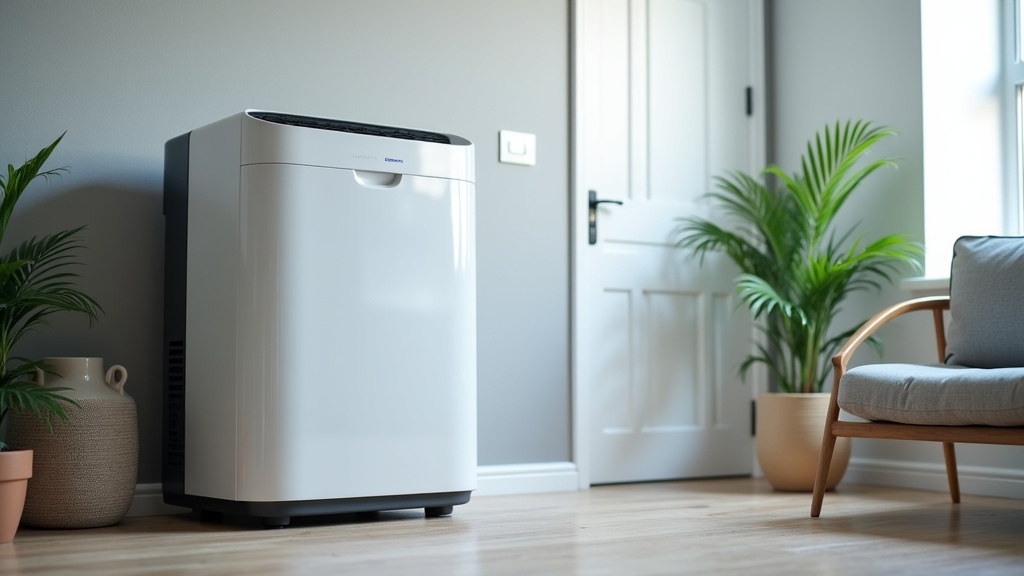
Is a Desiccant Dehumidifier Right for You? A Quick Checklist
To help you decide, here’s a quick checklist of scenarios where a desiccant dehumidifier could be your ideal solution:
- You need dehumidification in an unheated garage or basement.
- The area you want to dry out often experiences temperatures below 60°F (15°C).
- You prioritize a quiet operating appliance.
- You need a lightweight and portable dehumidifier you can move easily.
- You don’t mind a slight warming of the air in the space.
- Mold or mildew is a concern in cold, damp rooms of your home.
If you nodded yes to several of these, a desiccant dehumidifier is likely a fitting choice for your humidity control needs.
Conclusion
Understanding what a desiccant dehumidifier is and how it functions can significantly improve your indoor environment. We’ve seen that these units are particularly effective in cooler temperatures and unheated spaces, an area where traditional dehumidifiers often fail. If you’re struggling with dampness in your basement, garage, or even your RV during colder months, a desiccant model offers a quiet, efficient solution.
By considering your specific needs, like noise levels, portability, and the typical temperature of the space, you can make an informed decision. Don’t let excess humidity lead to mold or discomfort. Choose the right tool for a drier, healthier home.
Frequently Asked Questions
Are desiccant dehumidifiers always better than compressor models?
No, not always. Desiccant models excel in colder environments (below 60°F), but compressor dehumidifiers are often more energy-efficient in warmer, more humid conditions. Your climate and the specific room’s temperature dictate the best choice.
Do desiccant dehumidifiers produce heat?
Yes, desiccant dehumidifiers do release some warm, dry air as part of their regeneration process. This can be a benefit in cold spaces, but it might slightly increase the ambient temperature in an already warm room.
How often do I need to empty the water tank of a desiccant dehumidifier?
The frequency depends on the humidity level of your space and the tank size of your unit. In very damp conditions, you might need to empty it once or twice a day. Many models offer continuous drainage options to avoid manual emptying.
Can I use a desiccant dehumidifier in a living room or bedroom?
Yes, absolutely. Because they are typically quieter than compressor models, desiccant dehumidifiers are often a great choice for living areas or bedrooms where noise levels are a concern.
Do desiccant dehumidifiers use a lot of electricity?
Desiccant dehumidifiers can consume more electricity than refrigerant models, especially due to the heating element used for regeneration. However, their efficiency in cold temperatures means they can still be the most cost-effective option for unheated spaces where compressor units would struggle or freeze.
