
What Humidity Level Causes Mold?
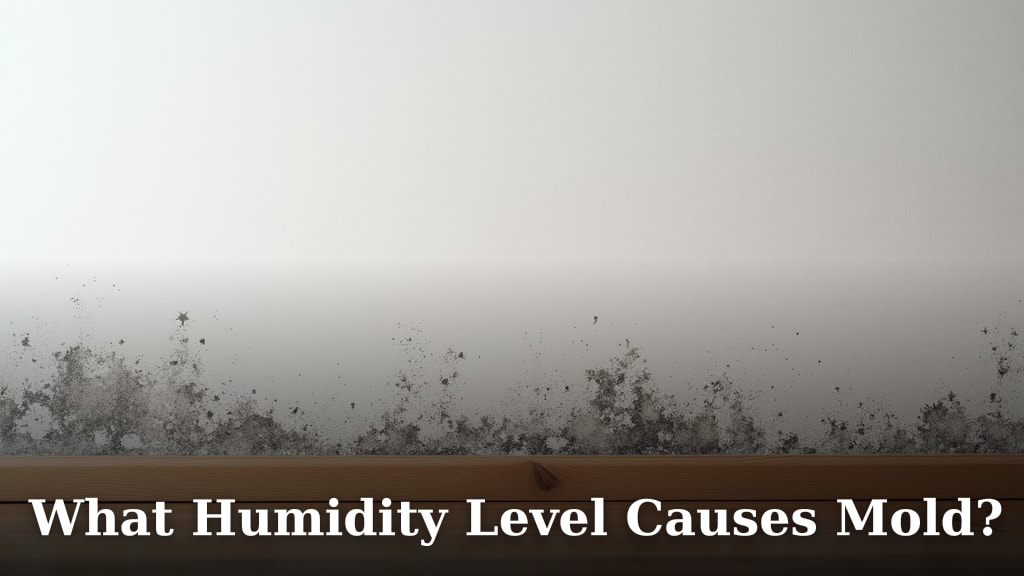
Mold typically grows when indoor humidity levels stay consistently above 60%. For optimal health and to prevent mold, aim to keep your home’s relative humidity between 30% and 50%. This range discourages mold growth and keeps your air comfortable.
You might be surprised how quickly mold can start to grow once conditions are right. It often takes just 24 to 48 hours for mold spores to begin colonizing a damp surface. That’s why quick action on water leaks is so important!
- Mold loves humidity above 60%.
- Ideal home humidity is 30-50%.
- Mold can start growing in just 1-2 days.
- Water leaks are mold’s best friend.
- You can prevent mold with good humidity control.
Let’s walk through exactly what humidity levels cause mold and what you can do to keep your home a mold-free zone.
Understanding the Link Between Humidity and Mold Growth
So, you know mold loves humidity. But what exactly does that mean for your home? We found that mold needs moisture to thrive, and humidity is invisible moisture floating in your air. When this airborne moisture settles on surfaces, mold spores find their perfect breeding ground.
Think of it like this: your home is a desert for mold when humidity is low. But when humidity climbs, it becomes a tropical paradise. Mold spores are always present, just waiting for the right conditions to spring to life.
The Critical Humidity Threshold for Mold
When does “damp” become “mold-friendly”? We found that a relative humidity (RH) consistently above 60% is the magic number. At this point, the air holds enough moisture to allow mold to germinate and spread.
It’s not just about what’s visible. You might not see standing water, but surfaces can still get damp from humid air. This is especially true for cooler surfaces like basement walls, windows, or pipes. This condensation provides the water mold needs.
We often hear people say, “My house isn’t wet, but I have mold.” This is precisely why. High humidity creates the wetness without obvious leaks or spills. It’s a silent threat.
Why Relative Humidity Matters More Than Absolute Humidity
You might have heard the term “relative humidity.” It’s important to understand why this measurement is key. Relative humidity is the amount of water vapor in the air compared to the maximum amount of water vapor the air can hold at that temperature.
Warm air can hold more moisture than cold air. So, 60% RH at 70°F is more actual water vapor than 60% RH at 50°F. However, mold is less concerned with the absolute amount of water in the air and more with how saturated the air feels – the relative wetness. When the air feels saturated (high RH), surfaces are more likely to stay damp.
Ideal Humidity Levels for a Mold-Free Home
What’s the sweet spot for keeping mold away and staying comfortable? Many experts, including the Environmental Protection Agency (EPA), suggest keeping your indoor relative humidity between 30% and 50%. This range is your best defense against mold.
Maintaining these levels helps discourage mold growth. It also makes your home feel more comfortable. Too dry, and you might get static shocks or dry skin. Too humid, and you’ll feel sticky and clammy.
The Benefits of Maintaining Optimal Humidity
Beyond preventing mold, there are other perks to keeping your humidity in check. You’ll likely notice better air quality, as dust mites also prefer higher humidity. You might also find your heating and cooling systems work more efficiently.
Think of it as creating a home environment that’s simply unattractive to mold and other common indoor allergens. It’s a proactive step for your health and your home’s longevity.
A Quick Guide to Humidity Levels and Their Effects
Here’s a simple table to help you visualize the different humidity ranges and what they mean for your home environment:
| Relative Humidity (RH) | Impact on Your Home & Health |
|---|---|
| Below 30% | Air is too dry. Can cause dry skin, static electricity, damage to wood furniture, and sinus issues. Generally inhibits mold. |
| 30% – 50% | Ideal range. Comfortable for most people, helps prevent mold, dust mites, and other moisture-loving pests. Good for indoor plants and furniture. |
| 50% – 60% | Manageable but monitor closely. Can feel slightly muggy. Minor risk of mold in very cool or poorly ventilated areas. |
| Above 60% | High risk of mold. Feels clammy and sticky. Promotes mold, dust mites, and bacteria growth. Can cause condensation on surfaces. |
Factors That Drive Up Indoor Humidity
Where does all that extra moisture come from? Many everyday activities contribute to the humidity inside your home. Becoming aware of these sources is the first step to control.
It’s not always about a leaky pipe (though those are definitely major culprits!). Sometimes, it’s the sum of many small contributions. Let’s look at the usual suspects.
Everyday Activities That Release Moisture
- Cooking: Boiling water, steaming food, and even using the dishwasher release significant moisture into the air.
- Showering and Bathing: Hot showers create steam, which quickly raises bathroom humidity.
- Drying Clothes Indoors: Evaporating water from wet laundry adds a lot of moisture, especially in small spaces.
- Breathing and Perspiring: Believe it or not, people and pets constantly release moisture through breathing and sweating.
- Indoor Plants: Plants release water vapor into the air through a process called transpiration.
Environmental and Structural Causes of High Humidity
Sometimes, the humidity comes from outside or from your home’s structure. These are often larger problems that require more attention.
- Humid Climate: Living in a naturally humid area (like the Southern U.S.) means you’re constantly battling outdoor moisture trying to get in.
- Poor Ventilation: If your home doesn’t allow air to circulate well, humid air gets trapped, especially in bathrooms and kitchens.
- Water Leaks: Obvious leaks from pipes, roofs, or foundations are major mold initiators. Even small, hidden leaks can cause big problems.
- Damp Basements or Crawl Spaces: These areas are prone to moisture issues, which can then migrate to other parts of your home.
- Ineffective HVAC System: An improperly sized or malfunctioning air conditioner might cool the air but fail to remove enough humidity.
Quick Mold Growth: Why Time is of the Essence
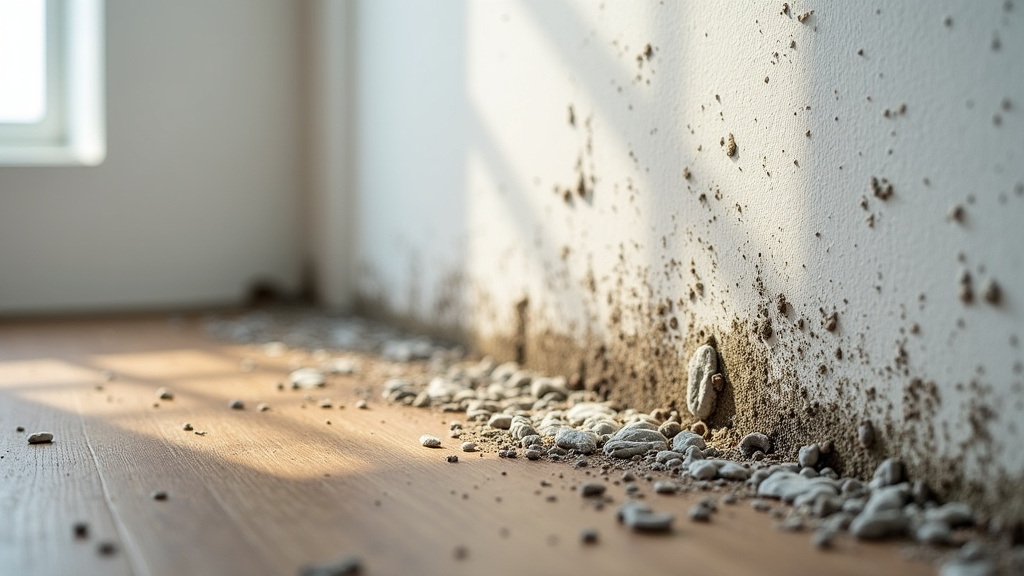
You might be wondering, “How fast does mold actually grow?” This is where many people get surprised. Mold doesn’t take its time once conditions are right. We found that mold can start growing in as little as 24 to 48 hours after a surface gets wet and the humidity is high (CDC).
This rapid growth means that if you have a leak or a flood, you don’t have days to wait. You have hours. Acting quickly to dry out affected areas is your most powerful tool against mold. If materials stay wet for more than 48 hours, mold is almost a certainty.
The Invisible Threat: Mold Spores
Mold growth starts with tiny, microscopic spores. These spores are everywhere, floating in the air both indoors and outdoors. They are harmless until they land on a damp organic surface, like drywall, wood, or fabric. Then, with enough humidity, they activate.
It’s like planting a seed. The seed is there, but it needs water and the right conditions to sprout. Mold spores are those seeds. They just need a bit of moisture and warmth, and off they go. Keeping your home dry starves these spores.
Your Action Plan: Preventing Mold Through Humidity Control
Now that you know the enemy (high humidity!) and how fast it moves, what can you do? Taking control of your indoor environment is completely within your power. You can create a home that’s resistant to mold growth.
It’s all about being mindful of moisture. From small daily habits to larger home improvements, every step you take helps. Here’s a checklist to get you started:
Your Mold Prevention Checklist:
- Monitor Humidity: Use a hygrometer (a humidity monitor) in key areas of your home, like the basement or main living space.
- Ventilate Well: Always use exhaust fans in bathrooms and kitchens. Open windows when weather permits to encourage air circulation.
- Fix Leaks Promptly: Address any water leaks from roofs, pipes, or appliances immediately. Don’t delay!
- Use Dehumidifiers: In humid climates or damp areas like basements, a dehumidifier is your best friend.
- Clean and Dry Regularly: Wipe down condensation on windows and walls. Ensure wet areas dry completely after use.
- Improve Air Flow: Avoid overcrowding closets and pushing furniture directly against walls, especially outer walls.
Conclusion
You now understand that consistently high indoor humidity, specifically above 60%, is mold’s ideal breeding ground. We’ve shown you how quickly mold can take hold, often within 24 to 48 hours, and the many everyday factors contributing to moisture in your home. By aiming for a sweet spot between 30% and 50% relative humidity, you create an environment where mold struggles to survive. Take control with simple steps like monitoring, ventilating, and prompt leak repair. Your proactive efforts will keep your home healthy and mold-free.
Frequently Asked Questions
Can I have mold if my humidity is below 60%?
Yes, it’s still possible. While 60% RH is a general threshold, mold can grow in isolated damp spots even if overall room humidity is lower. Think about condensation inside walls or under sinks from a slow leak. These areas create microclimates for mold growth.
Does a dehumidifier kill existing mold?
No, a dehumidifier does not kill existing mold. Its primary function is to remove moisture from the air, which helps prevent new mold growth and stops current mold from spreading. You must physically remove and clean any existing mold first.
How often should I check my home’s humidity levels?
Ideally, you should check your home’s humidity daily, especially in areas prone to moisture like basements, bathrooms, or during humid seasons. A simple hygrometer can give you continuous readings and alert you to potential issues before they become serious.
What’s the difference between high humidity and a water leak for mold?
High humidity creates a general dampness in the air and on surfaces, allowing widespread mold growth over time. A water leak provides a concentrated, constant source of moisture to a specific area, leading to rapid, localized, and often more severe mold growth in a short period.
Can mold grow in dry climates?
Yes, mold can still grow in dry climates. While the overall outdoor humidity might be low, indoor activities like showering, cooking, or even unvented clothes dryers can create pockets of high humidity. Also, any water leaks can provide the necessary moisture regardless of the climate.
