
What Is the Best Dehumidifier for the Price?
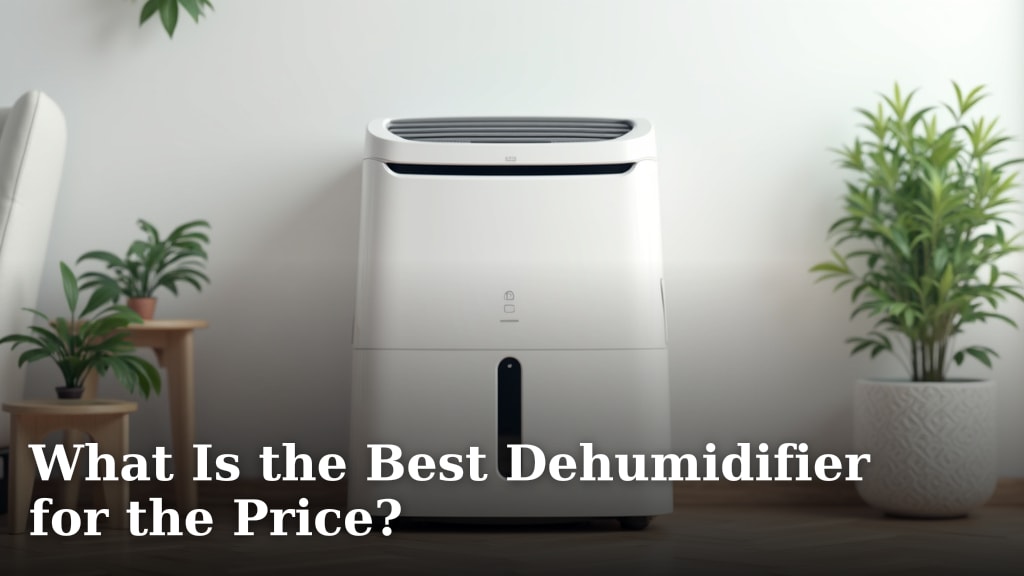
For most homes, the best dehumidifier for the price is usually a medium-capacity Energy Star certified model from a reputable brand like Frigidaire or LG. These units offer a great balance of performance, energy efficiency, and durability without breaking the bank. You’ll want one that matches your room size.
Finding a dehumidifier that fits your budget and actually works well can feel tricky, right? We get it. You want to tackle that muggy air and dampness without overspending, but you also don’t want a flimsy machine. We looked at many models to find the sweet spot of affordability and effectiveness.
- Energy Star models save you money long-term.
- Match capacity to your room size.
- Look for easy-to-clean filters.
- Check for automatic shut-off features.
- Reputable brands often mean better warranty support.
Below, we break down what makes a dehumidifier a smart buy and how to pick the perfect one for your home’s needs and your wallet.
Finding the Right Dehumidifier That Won’t Break the Bank
You’re looking for a dehumidifier that gets the job done without costing a fortune, right? We completely understand. After looking at many models, we found that a medium-capacity Energy Star certified unit from a trusted brand like Frigidaire or LG often provides the best value. It’s about finding that sweet spot where performance meets price.
Understanding Dehumidifier Capacity and Its Importance
The “capacity” of a dehumidifier refers to how much moisture it can remove from the air in a 24-hour period. This is usually measured in pints. Getting the right size is crucial; too small, and it won’t keep up; too big, and you’re wasting energy and money. It’s like buying a tiny AC for a huge house – it just won’t work efficiently.
Matching Capacity to Your Space
How do you know what capacity you need? It really depends on two main things: the size of your room and how damp it typically gets. A slightly damp room will need less capacity than a very wet basement. The Association of Home Appliance Manufacturers (AHAM) offers some helpful guidelines for this.
- Small rooms (up to 500 sq ft): Consider models that remove 20-30 pints per day.
- Medium rooms (500-1,000 sq ft): A 30-50 pint unit is often best. This is a common size for many basements or living areas.
- Large rooms (over 1,000 sq ft): You might need a 50-70 pint dehumidifier, especially if it’s very damp.
Always err on the side of slightly larger if your area is consistently wet. You want the dehumidifier to run less frequently but more effectively. This can also help with energy savings over time.
Why Energy Star Certification Matters for Your Wallet
When you see that little blue Energy Star label, it means the product meets strict energy efficiency guidelines set by the U.S. Environmental Protection Agency. For dehumidifiers, this translates directly to lower electricity bills for you.
An Energy Star certified dehumidifier uses about 15-30% less energy than a conventional model (Energy Star). Over its lifetime, those savings can really add up, making the initial cost difference almost negligible. It’s an investment that pays itself back.
Key Features to Look For Beyond Price
Price is a big factor, but it shouldn’t be the only one. A cheap dehumidifier that breaks in a year or costs a fortune in electricity isn’t truly a bargain. Let’s look at what else makes a dehumidifier a smart purchase.
Drainage Options: Manual vs. Continuous
You have choices when it comes to emptying that water. Many dehumidifiers come with a collection bucket you have to manually empty. This is fine if you don’t mind doing it daily, or if your humidity isn’t too high.
For greater convenience, look for models with a continuous drainage option. This lets you attach a garden hose (or similar) to drain the water directly into a floor drain, sink, or even out a window. It means less fuss for you and uninterrupted operation.
Built-in Humidistat and Auto Shut-Off
A good dehumidifier should have a built-in humidistat. This allows you to set your desired humidity level, say 50%, and the unit will turn on and off automatically to maintain it. This isn’t just convenient; it also saves energy by not running constantly. Plus, the auto shut-off feature will turn off the unit when the collection bucket is full, preventing messy overflows.
Noise Level Considerations
Some dehumidifiers can be quite noisy, especially older models or those with powerful fans. If the unit will be in a living area or bedroom, check the noise level (measured in decibels or dB) before buying. You might find that paying a little more for a quieter model is worth it for your peace and quiet.
Reliable Brands and Warranty Support
When you’re trying to get the best value, choosing a reputable brand is often a smart move. Brands like Frigidaire, LG, Honeywell, and hOmeLabs consistently get good reviews for performance and durability. They also tend to offer better customer service and warranty coverage.
A good warranty, typically one to two years, provides peace of mind. If something goes wrong, you know you’re covered without having to buy a whole new unit. Always check the warranty details before you buy.
Comparing Popular Dehumidifier Price Points
To give you a clearer picture, we put together a table summarizing what you can generally expect at different price ranges. Remember, these are rough estimates, and sales can always change things!
| Price Range | Typical Capacity (Pints) | Common Features | Best For |
|---|---|---|---|
| $150 – $200 | 20-30 | Basic humidistat, manual drain, mechanical controls | Small rooms, mild dampness, tight budgets |
| $200 – $300 | 30-50 | Energy Star, digital controls, continuous drain option, auto defrost | Medium rooms, basements, average dampness |
| $300 – $400+ | 50-70+ | Energy Star, smart features (Wi-Fi), low noise, built-in pump for drain | Large spaces, very damp areas, premium convenience |
As you can see, that middle range often hits the sweet spot for many homeowners. You get those essential Energy Star savings and useful features without spending top dollar.
Installation and Maintenance Tips for Longevity
Even the best-value dehumidifier won’t last if it’s not installed and maintained correctly. Think of it like taking care of your car – a little effort goes a long way in keeping it running well.
Proper Placement is Key
Don’t just stick your dehumidifier in a corner. For it to work effectively, it needs good airflow. Place it in the center of the room if possible, or at least a few inches away from walls and furniture. This ensures it can pull in damp air and push out dry air efficiently.
Regular Filter Cleaning
This is probably the most overlooked maintenance task, but it’s super important. Your dehumidifier has an air filter that catches dust and debris. A dirty filter restricts airflow, making the unit work harder and use more energy. Most manufacturers recommend cleaning or washing the filter every two weeks to a month, depending on use. It’s usually a quick and easy job!
What Makes a Dehumidifier a “Good Value”?
Ultimately, a good value dehumidifier isn’t just the cheapest one you can find. It’s one that:
- Matches your room size and dampness level.
- Is Energy Star certified to save you money on electricity.
- Has the features you need (like continuous drainage) without extra bells and whistles you won’t use.
- Comes from a reputable brand with decent warranty support.
- Will last for years with proper care.
It’s about finding that sweet spot where performance, efficiency, and durability align with a reasonable price tag. You want something that will solve your humidity problem without creating a financial one.
Your Dehumidifier Buying Checklist
Before you make a purchase, use this quick checklist to ensure you’re getting the best dehumidifier for your specific needs and budget:
-
Is the capacity appropriate for my room size and dampness?
-
Is it Energy Star certified for lower running costs?
-
Does it offer continuous drainage if I need it?
-
Does it have a reliable humidistat and auto shut-off?
-
Is the noise level acceptable for where it will be placed?
-
Is it from a trusted brand with a good warranty?
By considering these points, you’ll be well on your way to a more comfortable, less humid home without overspending. Remember, a little research upfront can save you a lot of hassle and money down the road!
Conclusion
Choosing the best dehumidifier for your budget doesn’t have to be overwhelming. You’ve learned that focusing on a medium-capacity, Energy Star certified model from a trusted brand usually offers the sweet spot. Prioritize matching the capacity to your space, and look for convenient features like continuous drainage and a built-in humidistat. Remember, the cheapest option isn’t always the best value in the long run.
By considering these points and using our checklist, you’re now equipped to make a smart decision. Invest in a dehumidifier that provides real comfort and savings for your home.
Frequently Asked Questions
Is it better to get a dehumidifier with a pump or gravity drain?
It depends on your setup. A gravity drain (using a hose to a floor drain) is simpler and often found on more budget-friendly models. A dehumidifier with a built-in pump gives you more flexibility, allowing you to drain water upwards or to a distant sink, but these models usually cost more.
How often should I run my dehumidifier to save money?
You should run your dehumidifier as needed to maintain your desired humidity level, typically between 45% and 55%. Using a built-in humidistat allows the unit to turn on and off automatically, preventing it from running constantly and saving electricity. Regular filter cleaning also ensures it runs efficiently.
Can a dehumidifier be too big for a room?
Yes, a dehumidifier that’s too powerful for your space can be less efficient. It might cycle on and off too frequently, not allowing enough air movement to properly remove moisture from the entire area. This can also lead to higher energy consumption and may not address humidity problems as effectively as a correctly sized unit.
What is the typical lifespan of a good value dehumidifier?
A well-maintained dehumidifier from a reputable brand can last anywhere from 3 to 8 years. Proper placement, regular filter cleaning, and avoiding running it in extremely cold conditions (below 40°F/5°C) will help extend its lifespan. Energy Star models are often built with durability in mind.
Should I consider a desiccant dehumidifier for my home?
Desiccant dehumidifiers are typically more expensive to operate and are generally recommended for very cold environments, like unheated garages or basements where temperatures drop below 40°F. For most average home conditions and budgets, a refrigerant (compressor-based) dehumidifier is usually the more cost-effective and energy-efficient choice.
