
Do Dehumidifiers Help with Allergies?
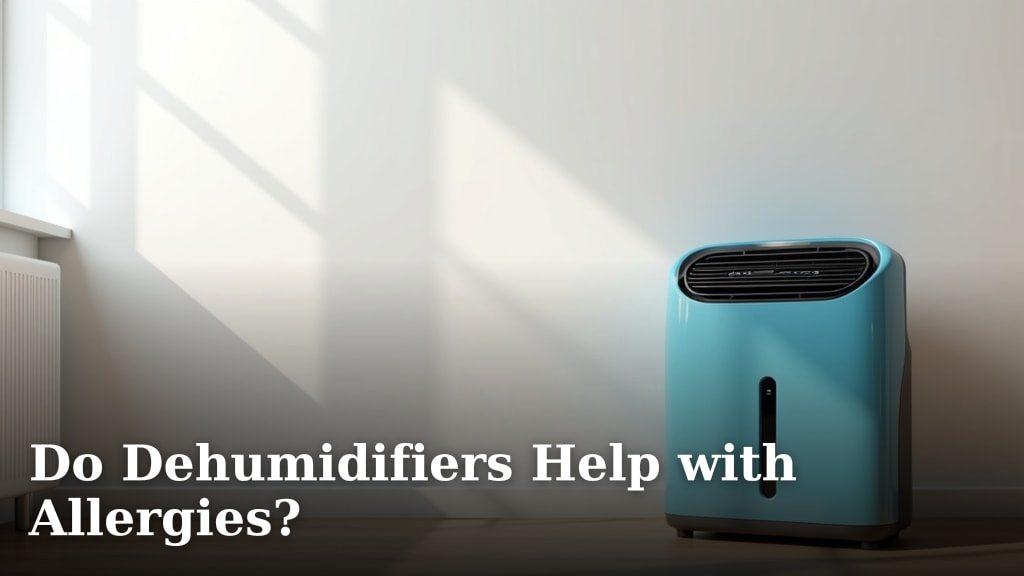
Yes, dehumidifiers absolutely help with allergies by reducing indoor humidity levels. This creates an environment where common allergens like dust mites and mold cannot thrive as easily. Keeping humidity low is a simple yet powerful step for allergy relief.
You see, those tiny allergy triggers love moisture. When your home feels damp, you’re likely creating the perfect breeding ground for them. A good dehumidifier tackles this problem head-on, making your air much less hospitable for these microscopic invaders. It’s a key tool in your allergy-fighting arsenal.
- Dehumidifiers reduce allergens like dust mites and mold.
- They lower indoor humidity, making homes less hospitable for allergens.
- Managing humidity can significantly improve allergy symptoms.
- Ideal indoor humidity for allergy control is generally below 50%.
Ready to breathe easier? Let’s walk through exactly how dehumidifiers work and how they can improve your home environment for better allergy management.
How Dehumidifiers Tackle Allergy Triggers
Dehumidifiers reduce moisture in the air. This makes your home less welcoming for tiny pests that cause allergies. It’s a simple change that can make a big difference for your breathing.
Think about it: many common allergens thrive in damp places. By drying out the air, you directly attack their favorite hangouts. This means fewer allergens floating around for you to react to.
The Damp Duo: Dust Mites and Mold
These two are often the biggest culprits behind indoor allergies. Both love moisture. Controlling humidity is key to keeping them in check.
Dust Mites: Unseen Guests Who Love Your Bed
Dust mites are microscopic critters. You can’t see them, but their waste products are a major allergy trigger. They feed on dead skin cells, and guess where they love to hang out? Your bed, carpets, and upholstered furniture (American Lung Association).
These tiny pests need humidity to survive. If the relative humidity drops below 50% for several hours a day, they struggle. Below 35%, they simply cannot live. A dehumidifier directly creates this hostile environment for them.
Imagine making your home an unappealing spot for these unwelcome guests. That’s what a dehumidifier does. It’s like turning down the air conditioning for them, only with moisture instead of temperature.
Mold: The Fungi Among Us
Mold is another big allergy trigger. It’s a type of fungus that grows everywhere, especially in damp, warm, dark places. Bathrooms, basements, and leaky spots are prime real estate for mold.
Mold spores float in the air. When you breathe them in, they can cause sneezing, coughing, itchy eyes, and even asthma attacks. Some people are very sensitive to mold (CDC).
Mold needs moisture to grow. If your home has high humidity, mold spores will find a surface and start to multiply. A dehumidifier dries out the air, making it very hard for mold to take hold and spread.
Keeping humidity levels low is one of the most effective ways to prevent mold growth. It’s like pulling the plug on their water supply. No water, no growth.
Other Allergy Culprits Affected by Humidity
While dust mites and mold are the main ones, other allergy triggers are also influenced by how much moisture is in your air.
- Pet Dander: While humidity doesn’t directly create dander, dry air can make dander particles lighter and float more easily. Very high humidity can also make dander stick to surfaces. Maintaining balanced humidity helps keep dander from becoming too airborne or too stuck.
- Pollen: Pollen comes from outside. However, if humidity inside is high, pollen that drifts indoors can sometimes get heavier and settle faster, or stick to damp surfaces. Lowering humidity helps keep your indoor air cleaner.
- Cockroaches: Believe it or not, these pests also thrive in humid environments. Their droppings and shed skin are known allergens. Reducing humidity makes your home less appealing to them, too.
So, a dehumidifier isn’t just a one-trick pony. It helps create a generally less hospitable environment for a range of common household allergens.
Finding the Sweet Spot: Ideal Humidity Levels for Allergy Relief
You don’t want your home to be bone dry. That can cause its own problems, like dry skin, static electricity, and damage to wooden furniture. The trick is to find the right balance.
Most experts agree that the ideal indoor relative humidity for allergy control is generally between 30% and 50% (EPA). This range is too low for dust mites and mold to thrive, but comfortable for you.
Monitoring Your Home’s Humidity
How do you know what your humidity level is? It’s easy! You can get a simple device called a hygrometer. Many modern dehumidifiers even have one built-in.
Place hygrometers in different areas of your home. You might find your basement or bathroom has much higher humidity than your living room. This information helps you decide where to place your dehumidifier.
Regularly checking these levels helps you keep them within the target range. It’s like checking the temperature; you want to make sure it’s just right.
Choosing the Right Dehumidifier for Your Needs
Dehumidifiers come in various sizes and types. Picking the right one means considering your space and your specific humidity problems.
Types of Dehumidifiers
There are generally two main types you’ll encounter for home use:
- Refrigerant (Compressor) Dehumidifiers: These work like a small refrigerator. They draw in air over a cold coil, condense the moisture, and then release dry, warm air. They work best in warmer, very humid environments (above 65°F).
- Desiccant Dehumidifiers: These use a special material that absorbs moisture from the air. They are more effective in cooler temperatures (below 65°F) and are often quieter.
For most homes, a refrigerant dehumidifier is a common and effective choice. If you live in a very cold climate or plan to use it in a chilly basement, a desiccant model might be better.
Sizing Your Dehumidifier
Dehumidifiers are sized by how many pints of water they can remove from the air in a day. You’ll see terms like “30-pint,” “50-pint,” or “70-pint.”
To pick the right size, you need to consider:
- The size of the area: A small bedroom needs a smaller unit than a large basement.
- How damp the area is: Is it slightly damp, moderately damp, or very wet?
We found that many manufacturers offer sizing guides. For example, a 50-pint unit might be suitable for a 1,500 sq ft area that is moderately damp.
Here’s a general guide for sizing (always check the manufacturer’s recommendations):
| Area Size (sq ft) | Condition | Recommended Capacity (Pints/Day) |
|---|---|---|
| Up to 500 | Slightly damp | 10-15 |
| Up to 500 | Moderately damp | 15-20 |
| 500 – 1,000 | Slightly damp | 20-25 |
| 500 – 1,000 | Moderately damp | 25-30 |
| 1,000 – 1,500 | Moderately damp | 30-50 |
| 1,500 – 2,500+ | Very damp / Wet | 50-70+ |
Don’t undersize your dehumidifier. A unit that’s too small will run constantly, use more energy, and won’t effectively lower humidity. An oversized one might cycle too quickly, but it’s generally better to have a bit too much power than not enough.
Tips for Maximizing Your Dehumidifier’s Effectiveness
Simply plugging in a dehumidifier is a start, but a few simple habits can boost its power in your allergy fight.
Placement and Maintenance Matter
Where you put your dehumidifier and how you care for it directly impact its performance. Think of it like taking care of any appliance; a little attention goes a long way.
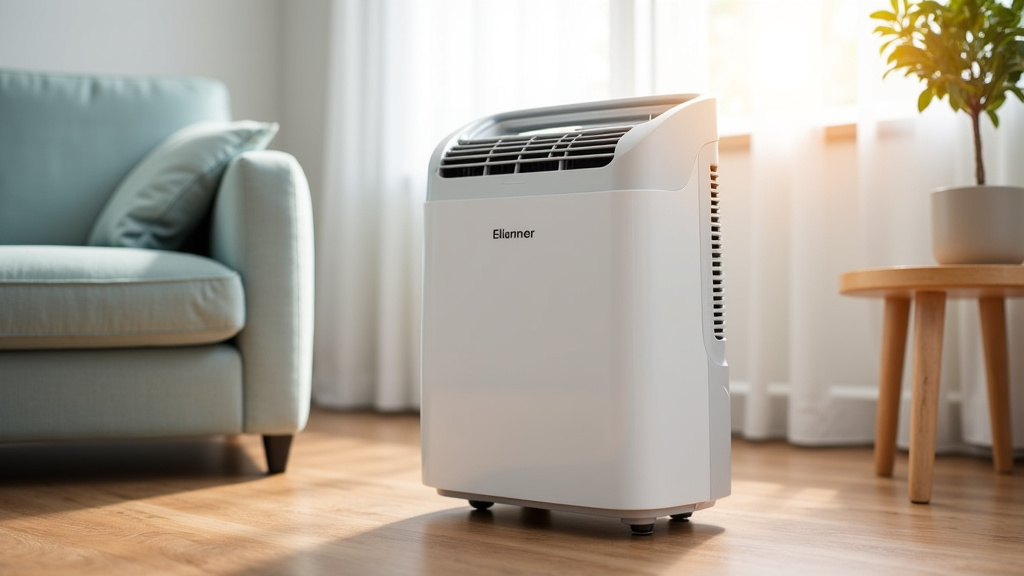
- Strategic Placement: Put your dehumidifier in the dampest areas first. This is usually the basement, a damp bathroom, or a laundry room.
- Close Doors and Windows: Don’t let new, humid air constantly flow in. Keep windows and doors closed in the room where the dehumidifier is working.
- Clear the Airflow: Make sure the air intake and exhaust vents aren’t blocked by walls, furniture, or curtains. Give the unit some breathing room.
- Empty the Water Tank: This seems obvious, but a full tank stops the unit from working. Many have an auto-shutoff, but regular emptying is key. Consider models with a drain hose for continuous draining if you have a suitable drain.
- Clean the Filter: Just like an air conditioner, dehumidifiers have filters. A dirty filter reduces efficiency and can even spread dust. Clean or replace it regularly, usually once a month.
- Regular Cleaning: Wipe down the unit, especially the coils, to prevent dust and mold buildup on the dehumidifier itself.
By following these steps, you’re not just running a machine; you’re creating an effective system to manage your home’s humidity and, in turn, your allergies.
You’ll notice a difference. The air will feel lighter, and that musty smell often associated with high humidity will lessen. It’s all part of making your home a more comfortable and allergen-free sanctuary.
Conclusion
You’ve learned that dehumidifiers are powerful allies against common allergy triggers like dust mites and mold. By keeping your indoor humidity between 30% and 50%, you create an environment where these allergens struggle to survive. This simple step can significantly improve your home’s air quality and ease your allergy symptoms.
Monitoring your humidity, choosing the right size unit, and proper maintenance will maximize your dehumidifier’s effectiveness. Take control of your indoor air quality today. Invest in a good dehumidifier and start breathing easier.
Frequently Asked Questions
Can I use a dehumidifier and an air purifier at the same time for allergies?
Yes, absolutely! A dehumidifier removes moisture, preventing allergen growth, while an air purifier filters out airborne particles like dander and pollen. Using both creates a more comprehensive approach to indoor allergy management.
Will a dehumidifier help with outdoor pollen allergies if I bring pollen inside?
While a dehumidifier won’t remove pollen directly, it can help manage secondary effects. High indoor humidity can make pollen settle more slowly or stick to surfaces. By drying the air, you can make your home less hospitable to pollen that makes its way indoors.
How quickly will I notice allergy relief after using a dehumidifier?
You might notice a difference in air quality and reduced stuffiness within a few days. However, it takes several weeks for dust mite populations to significantly decrease due to lower humidity. Consistency is key for lasting relief.
Do dehumidifiers use a lot of electricity?
The energy consumption of a dehumidifier varies by size and efficiency. Larger units and those running constantly will use more electricity. Look for Energy Star certified models to ensure better efficiency and potentially lower operating costs.
Can dehumidifiers cause any negative side effects for allergy sufferers?
If humidity levels drop too low (below 30%), some people might experience dry skin, irritated sinuses, or static electricity. It’s important to monitor humidity with a hygrometer and maintain the recommended 30-50% range for comfort and optimal allergy control.
