
How to Reduce Condensation on Windows?
To reduce condensation on windows, focus on lowering indoor humidity and improving ventilation. The easiest ways include using exhaust fans, opening windows briefly, and ensuring proper airflow. This helps remove excess moisture that causes foggy windows.
You’ve likely seen that annoying moisture clinging to your window panes, especially on cold days. It’s not just a visual nuisance; persistent condensation can lead to bigger problems like mold growth and damaged window sills. We found that tackling the root causes—too much indoor humidity and not enough air movement—is key.
- Lower indoor humidity.
- Improve home ventilation.
- Use exhaust fans.
- Ensure good airflow.
- Check for air leaks.
Let’s walk through exactly how to tackle this common household issue, step by step, so you can enjoy clear windows all year round.
Controlling Window Condensation Through Indoor Humidity Management
The primary battle against window condensation is waged indoors. We found that managing your home’s humidity levels is the most effective first step. When warm, moist air inside meets a cold window surface, it condenses into water droplets. Think of a cold drink on a hot day – it “sweats.” Your windows do the same thing.
Understanding Relative Humidity
What exactly is humidity? It’s the amount of water vapor in the air. Relative humidity (RH) tells you how much moisture the air holds compared to how much it could hold at a specific temperature. The warmer the air, the more moisture it can hold. When air cools, its capacity to hold moisture decreases, and any excess moisture is released as condensation.
We found that keeping your indoor relative humidity between 30% and 50% is generally ideal for comfort and to prevent condensation. In very cold climates, you might aim for the lower end of that range, especially during winter months.
Measuring Your Home’s Humidity
How do you know your humidity levels? A simple device called a hygrometer can tell you. These are inexpensive and readily available. Place them in different rooms, especially those prone to condensation, like bedrooms or kitchens. This gives you a clear picture of where your problem areas might be.
Sources of Indoor Moisture
You might be surprised at how much moisture your daily activities add to the air. We found that cooking, showering, and even breathing contribute a lot. A family of four can add several gallons of water vapor to the air daily. This might seem like a lot, but it quickly adds up.
- Cooking: Boiling water, simmering stews, or even baking can release significant moisture.
- Showering and Bathing: Hot showers create steam, which is water vapor.
- Drying Clothes Indoors: Wet laundry releases its moisture into your home as it dries.
- Houseplants: Plants release water vapor through a process called transpiration.
- Unvented Combustion Appliances: Gas stoves or unvented heaters can produce water vapor as a byproduct.
Enhancing Ventilation to Clear the Air
Once you understand where the moisture comes from, the next step is to get it out. Proper ventilation is your best friend here. It replaces moist indoor air with drier outdoor air, reducing condensation on your windows.
Utilizing Exhaust Fans
Exhaust fans are designed to remove moisture-laden air directly from its source. You’ll find them in kitchens and bathrooms for a reason. Make sure you use them effectively.
- In the Bathroom: Turn on the fan before you shower or bathe and leave it running for at least 15-20 minutes afterward. This clears out most of the steam.
- In the Kitchen: Use your range hood fan whenever you’re cooking, especially if you’re boiling or simmering liquids.
- Check Functionality: Does your fan actually work well? A simple test is to hold a piece of toilet paper up to it; if the paper sticks, it’s pulling air.
Opening Windows and Doors
Sometimes the simplest solutions are the best. Briefly opening windows creates a cross-breeze that flushes out humid air. Even in winter, a few minutes can make a difference. We’re not suggesting you open them all day, but short bursts can be very effective.
- Open windows on opposite sides of your home for a few minutes each day.
- After showering, open the bathroom window slightly if you don’t have a fan or as an added measure.
- Consider cracking a window in bedrooms during the day, especially if you see condensation there in the morning.
Whole-House Ventilation Systems
For more persistent or widespread issues, you might consider a whole-house ventilation system. These systems, like heat recovery ventilators (HRVs) or energy recovery ventilators (ERVs), bring in fresh air and exhaust stale air while recovering some of the heat or coolness. This maintains good air quality without wasting too much energy. We found these are often recommended for very airtight, energy-efficient homes.
Improving Airflow Around Windows
Even with good humidity control and ventilation, sometimes condensation still forms because air isn’t moving freely around your windows. This creates cold spots where moisture can accumulate. Keeping the air circulating helps equalize temperatures and prevents those cold, damp zones.
Clear Obstructions
What’s blocking the air from reaching your windows? Many people have heavy curtains, blinds, or furniture pressed right against the glass. This traps a pocket of cold, still air, making condensation worse.
- Pull back curtains and raise blinds during the day to allow air to circulate.
- Move large pieces of furniture a few inches away from the windows.
- Avoid placing plants or other items directly on the windowsill.
Using Fans for Circulation
Small fans can be surprisingly helpful. A ceiling fan, even on its lowest setting, can gently move air throughout a room. A small oscillating fan placed strategically can direct air towards a problematic window area. This gentle movement helps to dry out the window surface and equalize the air temperature.
Inspecting and Improving Window Performance
Sometimes, the windows themselves are part of the problem. Older, single-pane windows are much more prone to condensation because their surface temperature is often very close to the outside temperature. This creates a larger temperature difference, which encourages condensation.
Checking for Air Leaks
Drafts around your windows might seem counterintuitive for condensation, but they can actually draw in cold air that cools the window surface even further. We found that sealing these leaks can help keep the interior window surface warmer, reducing condensation.
- Feel for drafts around window frames with your hand on a windy day.
- Check weather stripping and caulk around the window perimeter.
- Replace any cracked or missing caulk.
- Apply new weather stripping where needed.
Considering Window Upgrades
If you have persistent condensation, especially on older, single-pane windows, upgrading might be a long-term solution. Double-pane or triple-pane windows have layers of glass with an insulating gas (like argon) in between. This creates a much better thermal barrier, keeping the inside surface of the glass warmer and significantly reducing condensation. Many experts agree that upgrading to energy-efficient windows is one of the most effective ways to combat condensation permanently (Energy.gov).
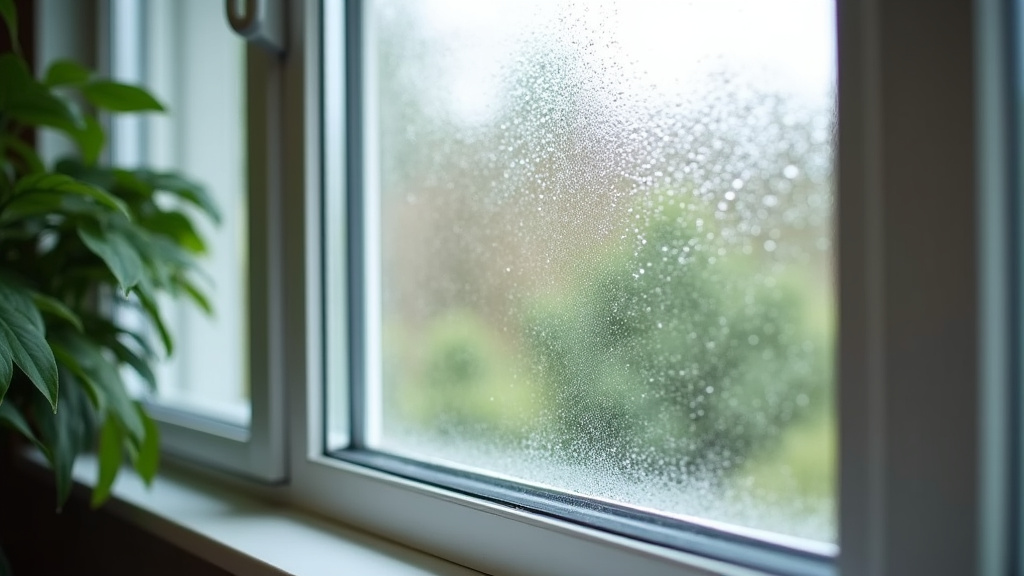
Quick Checklist for Condensation Reduction
Feeling overwhelmed? Let’s break it down into an easy action plan. Here’s a quick checklist you can use to tackle your window condensation issues today:
- Monitor indoor humidity with a hygrometer.
- Use bathroom and kitchen exhaust fans consistently.
- Open windows briefly for cross-ventilation daily.
- Ensure curtains and blinds aren’t blocking airflow.
- Check and seal any air leaks around window frames.
- Consider a dehumidifier for persistently high humidity.
Additional Tips and Common Misconceptions
Beyond the core strategies, there are a few other things you can do, and some myths to clear up. We aim to give you the most accurate and helpful information possible.
Using a Dehumidifier
If you’ve tried everything else and your indoor humidity remains high, a dehumidifier can be a powerful tool. These appliances actively pull moisture out of the air. They are particularly useful in basements, laundry rooms, or during very damp seasons. Remember to empty the water reservoir regularly or connect it to a drain.
Insulating Window Coverings
While heavy curtains can trap air, some types of window coverings are designed to insulate. Cellular blinds, for example, have a honeycomb structure that traps air, providing an insulating layer. When used correctly, these can help keep the window surface warmer, reducing condensation. Just remember to open them during the day to allow for air circulation and light.
The Role of Indoor Temperature
Keeping your home warmer might seem counterintuitive, but it actually helps reduce condensation. Warmer air can hold more moisture. If your indoor air is very cold, it reaches its dew point (the temperature at which water vapor condenses) more quickly, even with moderate humidity. Maintaining a comfortable, consistent indoor temperature can help, especially in winter.
Condensation Table: Causes and Solutions
To help you visualize the relationship between causes and solutions, here’s a simple table:
| Cause of Condensation | Primary Solution Focus | Specific Actions |
|---|---|---|
| High Indoor Humidity | Moisture Removal | Use exhaust fans, open windows, run a dehumidifier. |
| Poor Air Circulation | Air Movement | Clear obstructions, use ceiling/oscillating fans. |
| Cold Window Surface | Insulation / Temperature | Seal leaks, consider window upgrades, maintain consistent indoor temp. |
| Daily Activities (Cooking/Showering) | Source Control | Ventilate during/after activities, dry clothes outside. |
When to Seek Professional Help
Most condensation issues can be resolved with the tips we’ve discussed. However, if you’re dealing with persistent, heavy condensation, water damage, or mold growth, it might be time to call in a professional. An HVAC technician or a building performance specialist can assess your home’s unique situation and offer tailored solutions. They can help identify hidden moisture sources or ventilation issues you might not be aware of.
Conclusion
You now have a clear roadmap to tackle window condensation. By focusing on lowering indoor humidity, improving ventilation, and ensuring good airflow around your windows, you can achieve clear panes and a healthier home. We found that even small changes, like using exhaust fans or opening windows briefly, can make a big difference. Don’t let foggy windows become a bigger problem.
Take control of your home’s environment. Start by identifying your home’s humidity levels and then implement the strategies that best fit your situation. Your windows—and your household’s health—will thank you.
Frequently Asked Questions
Is condensation on windows always a bad sign?
Not always. A small amount of condensation, especially on very cold days, can be normal. However, persistent, heavy condensation, water pooling, or mold growth indicate an issue with excessive indoor humidity or poor insulation that needs attention.
Can plants cause window condensation?
Yes, houseplants release moisture into the air through a process called transpiration. While a few plants typically won’t cause major issues, a large collection of plants, especially in a poorly ventilated room, can contribute to higher indoor humidity and condensation.
Does keeping my house warmer help reduce condensation?
It can. Warmer air can hold more moisture before it condenses. If your indoor air is very cold, moisture will condense at a lower humidity level. Maintaining a comfortable, consistent indoor temperature helps keep the window surface warmer and reduces the likelihood of condensation.
Should I wipe down condensed windows?
Wiping down condensed windows can offer temporary relief and prevent water damage to sills or mold growth. However, it’s a short-term fix. To truly solve the problem, you need to address the underlying causes of humidity and poor ventilation we discussed.
How do I know if my windows are the problem or if it’s humidity?
If condensation forms only on very old, single-pane windows while newer windows remain clear, the windows themselves might be a significant factor. But if condensation appears on all your windows, new and old, your indoor humidity levels are likely too high, regardless of window type.
