
Can a Dehumidifier Catch on Fire?
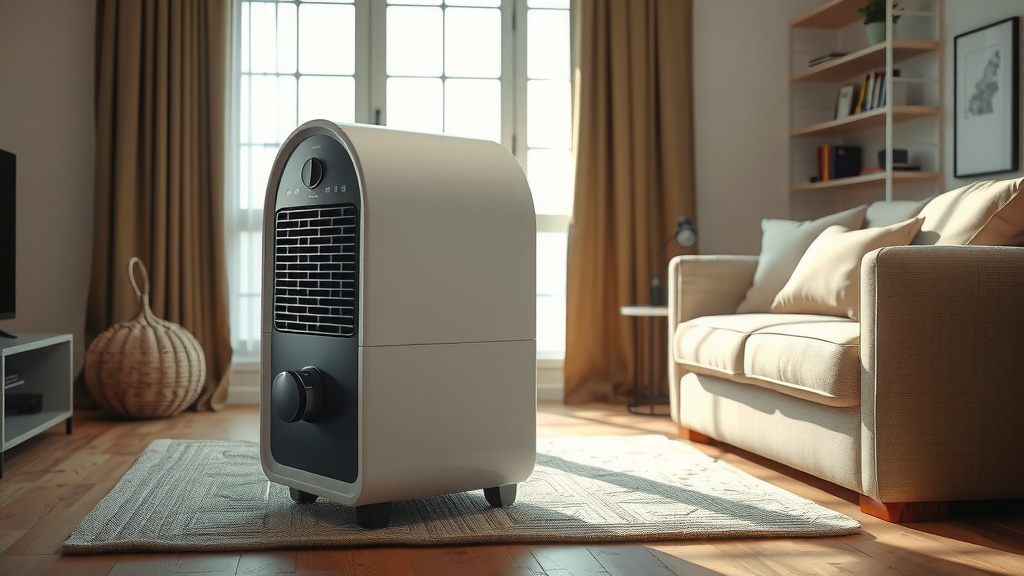
Yes, a dehumidifier can catch on fire, but it is a relatively rare occurrence.
The primary risks for a dehumidifier catching fire stem from electrical malfunctions, manufacturing defects, or improper operation and maintenance.
- Dehumidifiers can sometimes overheat or short-circuit, causing a fire.
- Older models or units with recalled parts are more prone to issues.
- Proper maintenance, like cleaning filters, significantly reduces fire risk.
- Always place your dehumidifier on a stable, flat surface away from walls.
- Unplugging the unit when not in use helps prevent potential electrical problems.
Can a Dehumidifier Catch on Fire?
While not a common event, a dehumidifier does carry a small risk of catching fire. This risk is usually tied to electrical faults or poor maintenance, not everyday use. You can greatly reduce this chance with simple care.
Understanding the Fire Risk
You might wonder, “How could my dehumidifier possibly start a fire?” It’s a valid question. Most home appliance fires relate to electrical systems. Dehumidifiers are no different. They have electrical components, motors, and fans that can fail.
Electrical Malfunctions and Overheating
The main culprit behind dehumidifier fires is often an electrical malfunction. This could be a frayed wire, a faulty capacitor, or a motor that overheats. If internal parts get too hot, they can ignite nearby plastics or dust.
We found that many household fires involving small appliances often start due to electrical issues (National Fire Protection Association). This fact applies to dehumidifiers, too.
Recalled Models and Manufacturing Defects
Some specific models have faced recalls due to fire hazards. These recalls happen when manufacturers discover a defect that could cause the unit to overheat or short-circuit. Always check if your model is part of any recall list. Consumer product safety sites provide this crucial information.
The Danger of Older Units
Older dehumidifiers tend to have a higher risk. Their components can wear down over time. Wires might become brittle, and insulation can break apart. This natural aging process increases the chance of an electrical problem. Consider replacing very old units for better safety.
Improper Use and Placement
How you use and place your dehumidifier also matters. Placing it too close to walls or furniture can block airflow. This blockage makes the motor work harder, causing it to overheat. Always ensure proper ventilation around the unit.
Why Location Matters for Safety
Think about your dehumidifier like a tiny refrigerator. It needs space to breathe. Blocking its vents means trapped heat. This heat can slowly build up, creating a dangerous situation. Give it room to operate efficiently and safely.
Maintenance: Your First Line of Defense
Keeping your dehumidifier clean and well-maintained is perhaps the most important step in preventing fires. A neglected unit can accumulate dust and debris. This build-up can act as fuel for a spark or contribute to overheating.
- Clean the air filter regularly: A clogged filter restricts airflow and makes the motor work harder, leading to overheating.
- Empty the water bucket often: An overflowing bucket might cause water to get into electrical components.
- Inspect the power cord: Look for fraying, cuts, or signs of heat damage.
- Check for unusual noises: Grinding or buzzing could signal a motor problem.
- Keep vents clear: Make sure nothing blocks the intake or exhaust vents.
The Power Cord’s Role in Safety
Your power cord is vital. Never use an extension cord with a dehumidifier. Plug it directly into a wall outlet. Extension cords can overheat if they aren’t rated for the appliance’s power draw. This small detail can prevent a big problem.
Signs of Trouble: What to Watch For
Your dehumidifier often gives warnings before a major issue arises. Paying attention can save you trouble. If you notice any of these signs, unplug the unit immediately and have it checked by a professional or replace it.
Many experts say that paying attention to your appliances can prevent common hazards.
| Warning Sign | What It Means | Action to Take |
|---|---|---|
| Burning smell | Overheating motor, electrical short | Unplug immediately |
| Smoke from unit | Active combustion, severe electrical issue | Unplug, call fire department if needed |
| Loud grinding noise | Failing motor or fan bearing | Unplug, seek repair or replace |
| Unit feels very hot | Internal overheating | Unplug, allow to cool, inspect vents |
| Tripping circuit breaker | Electrical overload or short | Unplug, check for other issues |
Reducing the Fire Risk: Practical Steps You Can Take
You have control over many factors that affect your dehumidifier’s safety. Adopting these habits can give you peace of mind.
Here’s a quick checklist to keep your dehumidifier safe:
- Choose a unit with safety certifications (like UL listed).
- Place it on a stable, level surface.
- Maintain a clear space of at least 6-12 inches around the unit.
- Regularly clean the air filter and empty the water bucket.
- Unplug the unit when you leave home or go to sleep.
- Never use an extension cord.
When to Replace Your Dehumidifier
Knowing when to replace a unit is smart. If your dehumidifier is very old, frequently breaks down, or shows any of the warning signs discussed, it’s likely time for a new one. A newer, energy-efficient model often has better safety features.
Comparing Old vs. New Dehumidifier Safety
Modern dehumidifiers often come with advanced safety features. These can include automatic shut-offs if the water bucket is full or if the unit begins to overheat. Older models may lack these crucial safeguards.
Research shows that product safety standards continuously improve (Consumer Product Safety Commission). This means newer appliances generally offer better protection.
Investing in Peace of Mind
Think of a new dehumidifier as an investment in your home’s safety and air quality. The cost of replacing an old unit can be small compared to the potential risks of an electrical fire. Your family’s well-being is worth protecting.
Conclusion
While the thought of a dehumidifier fire can be alarming, it’s important to remember that such events are rare. By understanding the potential risks and taking simple preventative steps, you can use your dehumidifier safely and effectively. Regular maintenance, proper placement, and awareness of warning signs are your best tools for preventing issues. Keep your home dry and safe without worry.
What are common reasons for dehumidifier recalls?
Dehumidifiers are often recalled due to specific manufacturing defects that pose fire or shock hazards. These defects typically involve faulty electrical components, such as wiring, compressors, or control boards, which can overheat and ignite. Always check the Consumer Product Safety Commission (CPSC) website for current recall information.
Can I leave my dehumidifier running overnight?
Most modern dehumidifiers are designed to run continuously, even overnight. However, for added peace of mind, many experts suggest unplugging any high-power appliance when you are asleep or away from home. Ensure your unit is in good condition and has clear airflow if you choose to run it overnight.
How often should I clean my dehumidifier’s filter?
You should aim to clean your dehumidifier’s air filter at least once every two to three weeks, or even more frequently if you live in a dusty environment or use the unit constantly. A clean filter ensures efficient operation, prevents overheating, and extends the life of your appliance.
Is it safe to use a dehumidifier in a small, enclosed space?
Yes, you can use a dehumidifier in a small, enclosed space like a closet or small bathroom, but ensure there is enough clearance around the unit for proper airflow. Blocking the vents can cause the unit to overheat. Always follow the manufacturer’s recommendations for minimum clearance distances.
What should I do if my dehumidifier starts smelling like burning plastic?
If you detect a burning plastic smell coming from your dehumidifier, immediately unplug the unit from the wall outlet. Do not try to troubleshoot or operate it further. The smell is a strong indicator of an electrical malfunction or overheating. Contact the manufacturer or a qualified appliance repair technician, or consider replacing the unit entirely.
