
Can a Dehumidifier Cause a Fire?
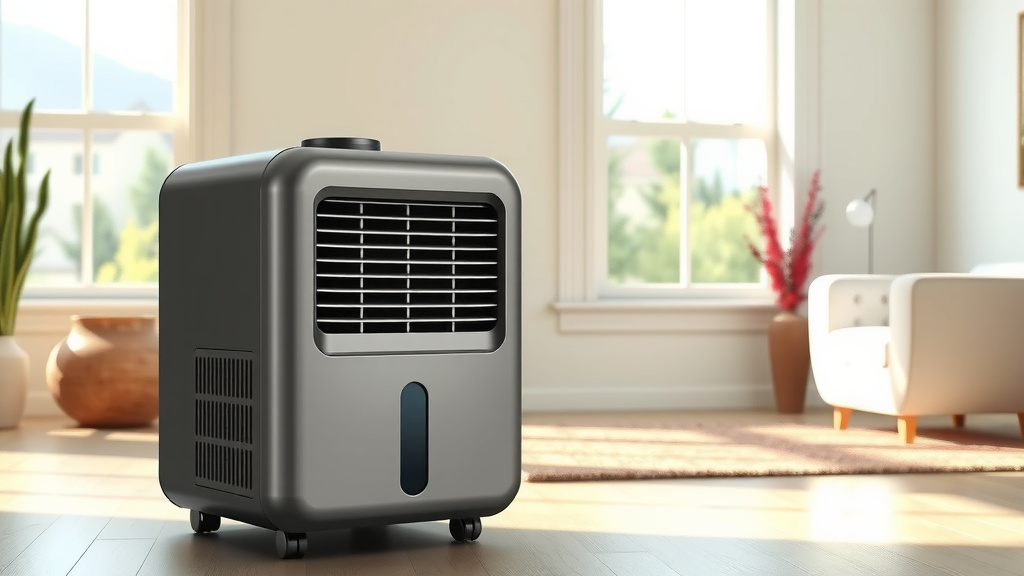
Yes, a dehumidifier can cause a fire, though it is rare with modern, well-maintained units. Older or recalled models, as well as improper use and lack of maintenance, pose the highest risk of electrical fires.
Dehumidifier fires usually start from electrical malfunctions, overheating, or defects in the internal components. Always prioritize safety by checking for recalls and following manufacturer guidelines carefully.
- Dehumidifiers can cause fires, but it’s uncommon with new units.
- Most fire risks come from older, recalled models or poor maintenance.
- Electrical issues, overheating, and faulty wiring are main culprits.
- Always check your model for safety recalls from organizations like the CPSC.
- Regular cleaning and proper placement significantly reduce fire hazards.
Can a Dehumidifier Cause a Fire?
Yes, a dehumidifier can cause a fire, but it’s not a common occurrence with today’s machines. The vast majority of dehumidifiers operate safely for years. When fires do happen, they are often linked to older units, manufacturing defects, or improper use.
Understanding the Risks: How Dehumidifiers Work
To grasp the fire risk, let’s briefly look at how these machines work. A dehumidifier pulls air over a cold coil, condensing moisture. This process involves a fan, a compressor, and heating elements. All these components require electricity to run.
Because they use electricity and can run for long periods, there’s always a small chance of issues. Any appliance that heats up or uses powerful electrical circuits carries an inherent risk. It’s similar to other common household electronics.
Electrical Components and Heat
Inside your dehumidifier are various electrical parts: motors, capacitors, and switches. These parts generate heat during normal operation. If any of these components become faulty, they can overheat dangerously. This excessive heat is a prime cause of electrical fires.
Common Causes of Dehumidifier Fires
We’ve found several common reasons why dehumidifiers might catch fire. Understanding these helps you take better preventative steps. Most issues are avoidable with some basic awareness and care.
Faulty Wiring and Overheating
One major cause is faulty internal wiring or defective electrical components. Wires can fray over time, especially in older units. This can lead to short circuits or arcs, which generate intense heat. Overheating can also occur if the motor or compressor struggles.
Recalled Models: A Serious Threat
Perhaps the most concerning cause is manufacturing defects, leading to recalls. We found that the U.S. Consumer Product Safety Commission (CPSC) has issued many recalls for specific dehumidifier brands and models over the years. These recalls often cite fire and burn hazards. Always check if your model is on a recall list (CPSC).
Lack of Maintenance and Dust Buildup
Dust, lint, and debris can accumulate inside the unit, especially on coils and vents. This buildup acts as an insulator, trapping heat. It can also impede the fan’s operation, causing the motor to work harder and overheat more easily. Regular cleaning is a simple but vital step.
Improper Placement and Ventilation
Placing your dehumidifier too close to walls, curtains, or furniture restricts airflow. This poor ventilation prevents the unit from cooling itself properly. The trapped heat can lead to components overheating, significantly increasing the risk of a fire. Always allow ample space around the machine.
Water Leaks and Electrical Hazards
Although designed to handle water, internal leaks can still pose a risk. If water comes into contact with live electrical components, it can cause a short circuit. This situation is dangerous and can quickly lead to an electrical fire. Always empty the water bucket regularly or ensure continuous drainage works.
How to Prevent Dehumidifier Fires
Preventing a dehumidifier fire is largely about smart usage and regular checks. Taking a few simple steps can dramatically reduce any potential risks. Your peace of mind is worth the effort.
- Always register your product to receive recall notifications.
- Regularly clean your unit’s air filter and external vents.
- Ensure the dehumidifier is placed on a stable, level surface.
- Never block the air intake or exhaust vents with anything.
- Unplug the unit before performing any cleaning or maintenance.
- Avoid using extension cords; plug directly into a wall outlet.
Regular Cleaning and Inspection
Keep your dehumidifier clean. Dust the exterior and clean the air filter at least once a month. Many experts say this prevents dust buildup that can block airflow and cause overheating. Check for any unusual smells or sounds during operation.
Optimal Placement Matters
Give your unit space to breathe. Place it at least six inches away from walls, furniture, and curtains. This ensures proper airflow, allowing the machine to cool itself efficiently. A well-ventilated area helps prevent overheating.
Monitoring for Unusual Signs
Pay attention to your dehumidifier while it’s running. Does it smell like burning plastic? Is it making strange noises? Is it unusually hot to the touch? Any of these signs might indicate a problem developing. If you notice any issues, unplug the unit immediately.
When to Replace Your Unit
Dehumidifiers don’t last forever. Many experts suggest replacing units that are 5-7 years old, especially if they show signs of wear. Older models may lack modern safety features and can be more prone to component failure. Investing in a new unit can be a wise safety decision.
| Feature | Older Dehumidifiers | Newer Dehumidifiers |
|---|---|---|
| Safety Standards | May lack modern safety cut-offs | Enhanced safety shut-offs (e.g., auto-off when full) |
| Refrigerant Type | Older, potentially more flammable refrigerants | Safer, environmentally friendly refrigerants (e.g., R-290, R-32) |
| Electrical Components | More prone to wear and overheating | Improved designs, better insulation |
| Recall Likelihood | Higher chance of being a recalled model | Lower, but always check for new recalls |
| Energy Efficiency | Less efficient, higher power draw | More energy-efficient, less electrical strain |
What to Do if You Suspect a Problem
If you ever suspect your dehumidifier is faulty or showing signs of overheating, act quickly and safely. First, unplug the unit from the wall outlet immediately. Do not try to troubleshoot it yourself if you see smoke or burning smells.
If there’s smoke or fire, evacuate everyone from the area and call emergency services. For less urgent issues, contact the manufacturer or a qualified appliance technician. Your safety is always the top priority.
Conclusion
While the thought of a dehumidifier fire can be alarming, the risk is quite low with proper care and attention. Modern units are built with enhanced safety features. Your role involves staying informed, performing regular maintenance, and being alert to any unusual signs.
By following these practical tips, you can enjoy the benefits of reduced humidity without unnecessary worry. Remember, a little vigilance goes a long way in keeping your home and family safe. Keep your home dry and your mind at ease.
Frequently Asked Questions
Are all dehumidifiers safe to use?
Most new dehumidifiers meet current safety standards and are generally safe. However, always check for specific product recalls, especially for older models, as these can pose a significant fire risk due to manufacturing defects. Organizations like the CPSC regularly publish recall lists.
How often should I clean my dehumidifier to prevent fires?
You should clean your dehumidifier’s air filter at least once a month, or more often if you live in a dusty environment. Dust the external vents and wipe down the unit regularly to prevent debris from building up, which can obstruct airflow and cause overheating.
Can I leave my dehumidifier running overnight or when I’m away?
While many modern dehumidifiers are designed for continuous operation, it’s generally safer to turn them off when you’re sleeping or leaving your home for extended periods. This reduces the time a potential fault could develop undetected. If you do leave it on, ensure it’s on a level surface and has clear airflow.
What are the warning signs of a dangerous dehumidifier?
Watch out for burning smells, unusual rattling or grinding noises, smoke, sparks, or if the unit feels excessively hot to the touch. Any visible damage to the cord or casing is also a red flag. If you notice any of these, unplug the unit immediately and stop using it.
Is it better to repair an old dehumidifier or buy a new one?
For safety and efficiency, it’s often better to replace an older dehumidifier, especially if it’s over 5-7 years old or has been recalled. Repairs, particularly for internal electrical issues, can be costly and may not address underlying design flaws. Newer models are more energy-efficient and include advanced safety features.
