
Can a Dehumidifier Cause Damage?
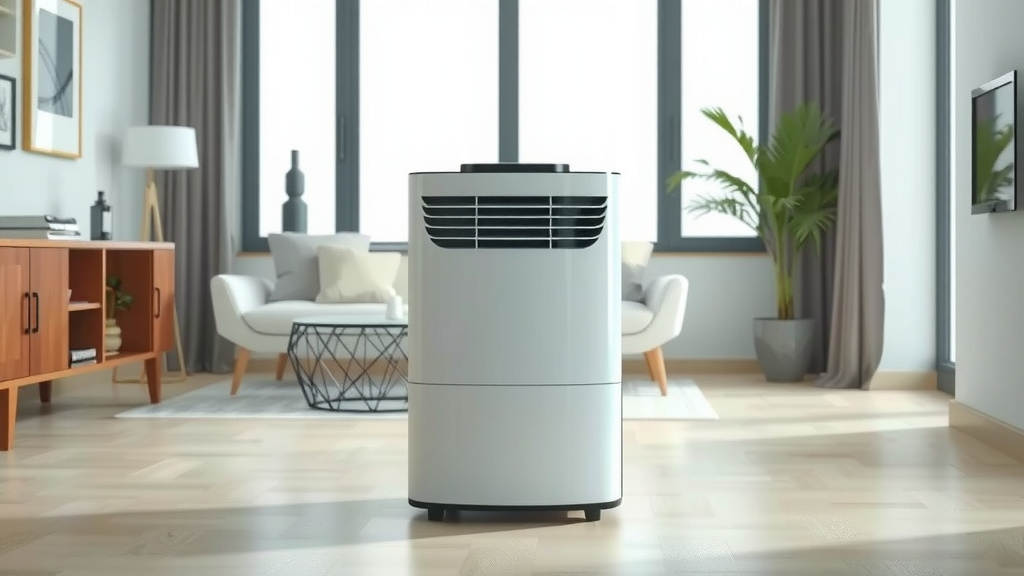
Yes, a dehumidifier can cause damage if used improperly or excessively. Over-drying your home is the main concern, potentially harming wood, plants, and even your skin.
- Dehumidifiers are a great tool for managing indoor humidity, but they need careful handling.
- The biggest pitfall is running your unit too much, leading to an environment that is too dry.
- This over-drying can affect everything from your wooden furniture to your comfort and health.
- Learning the right settings and watching for signs of dryness will help you avoid problems.
- Proper maintenance and understanding your home’s needs are key to safe and effective use.
Can a Dehumidifier Cause Damage?
While incredibly helpful for managing humidity, a dehumidifier can cause issues if not used correctly, primarily through over-drying.
Understanding How a Dehumidifier Works
Think of your dehumidifier like a thirsty sponge for your air. It pulls in moist air from your room. Then, it cools this air over coils, much like a cold glass sweats on a hot day. The moisture condenses into water, which collects in a bucket. The now-dry air is released back into your space. This process helps to lower the humidity level in your home.
The Primary Risk: Over-Drying Your Home
The main way a dehumidifier can cause damage is by making your air too dry. While reducing humidity is good, dropping it too low creates new problems. Many experts suggest aiming for 30-50% humidity for optimal comfort and health (EPA guidelines). Going below 30% can invite trouble.
Impact on Wooden Furniture and Floors
Wood is a natural material that reacts to moisture levels. When the air becomes too dry, wood loses its own moisture. We found this can cause wood to shrink, crack, or warp. You might notice gaps in your hardwood floors or small splits in antique tables. It’s like leaving a piece of fruit out in the sun; it dries out and shrivels.
Effects on Plants and Pets
Your houseplants thrive in certain humidity ranges. If the air gets too dry, their leaves may turn brown at the edges or even drop off. It’s important to watch them carefully. Some pets, especially those with sensitive respiratory systems, might also react poorly to extremely dry conditions. Always consider your furry friends.
Skin and Respiratory Irritation
Dry air isn’t just bad for your home; it can affect you too. We found that overly dry air can lead to dry, itchy skin. You might experience chapped lips or even nosebleeds. For those with allergies or asthma, very dry air can irritate airways. It can also make you more susceptible to dry coughs and sore throats.
Are There Other Ways a Dehumidifier Can Be “Damaging”?
Beyond over-drying, other factors might seem like damage, even if they’re not direct physical harm to your home.
High Energy Consumption
Running a dehumidifier continuously can certainly increase your electricity bill. This isn’t damage to your home, but it can feel like damage to your wallet. Choosing an ENERGY STAR rated unit helps here. It operates more efficiently, saving you money in the long run.
Noise Pollution
Some dehumidifiers can be quite noisy, especially older or larger models. While not physically damaging, constant humming or rattling can be annoying. This “damage” to your peace and quiet can affect your quality of life. Placing your unit strategically can help reduce sound impact.
Mold Growth Within the Unit
If you don’t clean your dehumidifier regularly, mold can actually grow inside it. The collected water provides a perfect breeding ground. This mold can then be released back into your air, causing potential health issues. Regular cleaning is crucial for healthy operation.
Preventing Dehumidifier-Related Problems
The good news is that most issues with dehumidifiers are easily avoidable. A little attention goes a long way.
- Set the Right Humidity Level: Aim for 40-50%. Most units have a humidistat to help you do this automatically.
- Monitor Your Home: Pay attention to how your home feels and looks. Are your plants wilting? Is your skin dry?
- Clean Regularly: Empty the water bucket often and clean it with a mild solution. Check filters monthly.
- Proper Placement: Keep the unit away from walls and furniture to allow good airflow. Don’t block the vents.
- Use the Right Size: A unit too small won’t do enough. One too large might over-dry too quickly.
- Automatic Shut-Off: Ensure your unit has this feature. It prevents overflow and unnecessary running.
Signs You Might Be Over-Drying Your Space
How do you know if you’ve gone too far with your dehumidifier? Look for these clues:
- Your skin feels noticeably dry and itchy, even after moisturizing.
- You experience frequent static shocks, especially when touching metal.
- Wooden furniture or floors show new cracks or gaps.
- Plants in the room appear stressed, with crisp, brown leaf edges.
- You feel a constant tickle in your throat or experience dry nasal passages.
If you notice these signs, it’s a clear signal to adjust your dehumidifier’s settings. Perhaps turn it off for a bit. Or simply raise your target humidity level. Your home and body will thank you for it.
Risks vs. Solutions: A Quick Overview
It’s helpful to see potential issues side-by-side with their simple fixes.
| Potential Risk | Simple Solution |
|---|---|
| Over-drying home (wood, plants, skin) | Set humidistat to 40-50% RH; monitor room. |
| High electricity bills | Choose ENERGY STAR model; run only when needed. |
| Loud operation | Opt for quiet models; strategic placement away from living areas. |
| Mold growth inside unit | Clean bucket and filter regularly (every 2-4 weeks). |
| Ineffective use (wrong size) | Match unit capacity to room square footage and humidity level. |
When to Run Your Dehumidifier
Knowing when to use your dehumidifier is as important as knowing how. You only need it when humidity is high. Areas like basements, bathrooms, or laundry rooms often benefit most. Many experts agree that running it intermittently is best, rather than constantly. This saves energy and prevents over-drying. If your hygrometer reads above 50%, it’s time to turn it on.
Conclusion
A dehumidifier is an incredibly helpful tool for maintaining a healthy and comfortable home. It effectively fights mold, mildew, and musty odors. While it can cause issues like over-drying if misused, these problems are almost always preventable. By simply understanding your unit, setting the right humidity levels, and performing regular maintenance, you can enjoy all the benefits without the risks. Treat your dehumidifier like a helpful friend, not just an appliance, and you’ll maintain a perfectly balanced indoor environment.
What is the ideal humidity level to set on a dehumidifier?
Most experts, including the EPA, suggest setting your dehumidifier to maintain indoor humidity levels between 40% and 50%. This range is comfortable for most people and helps to prevent mold growth without making your air too dry.
Can a dehumidifier make my house too cold?
A dehumidifier primarily removes moisture, not heat. However, the process of removing moisture can make the air feel cooler because humid air often feels warmer than dry air at the same temperature. It won’t significantly drop the actual temperature, but it will enhance comfort in muggy conditions.
How often should I empty my dehumidifier’s water tank?
The frequency depends on the humidity in your home and the size of your dehumidifier’s tank. In very humid conditions, you might need to empty it daily. Most modern units have an automatic shut-off when the tank is full, preventing overflows. Some also offer a continuous drain option for convenience.
Is it okay to run a dehumidifier 24/7?
Running a dehumidifier 24/7 is generally not recommended unless you are dealing with a severe moisture problem, like after a flood. Continuous operation can lead to over-drying your home, higher energy bills, and unnecessary wear on the unit. It’s usually better to run it intermittently or set it to a target humidity level.
Can a dehumidifier help with allergies or asthma?
Yes, many experts say that by reducing humidity, a dehumidifier can help alleviate allergy and asthma symptoms. High humidity creates a breeding ground for common triggers like dust mites and mold. By keeping humidity low, you reduce these allergens, making the air healthier to breathe for sensitive individuals.
