
Can a Dehumidifier Dehydrate You Overnight?
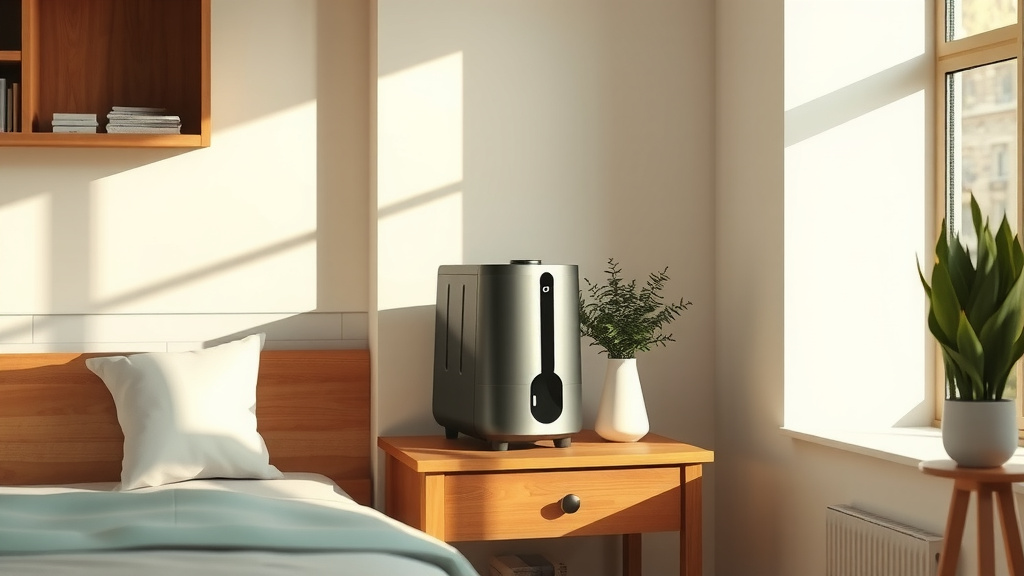
No, a dehumidifier is highly unlikely to dehydrate you overnight or cause significant harm to your health, especially when used correctly. Its primary role is to reduce excess moisture in the air, not to dry out your body.
While a powerful dehumidifier might make the air feel drier, your body has natural mechanisms to maintain hydration, and serious dehydration from a dehumidifier is not a typical concern.
- Running a dehumidifier properly will not dehydrate you overnight.
- These devices target airborne moisture, not your body’s internal water balance.
- You might notice drier skin or eyes in very low humidity, but this is minor.
- Your body is quite good at keeping itself hydrated under normal conditions.
- Always aim for indoor humidity between 40-50% for optimal comfort and health.
Can a Dehumidifier Dehydrate You Overnight?
You might wonder if running a dehumidifier while you sleep could leave you feeling parched and unwell by morning. The simple answer is no. A dehumidifier works to pull moisture from the air, not directly from your body.
Your body has its own remarkable ways of staying hydrated. It constantly adjusts to changes in its environment. So, you don’t need to worry about waking up severely dehydrated just because your dehumidifier was on.
Understanding How Dehumidifiers Work
Think of a dehumidifier as a magnet for water vapor. It draws humid air into its system, cools it over coils, and condenses the moisture into a collection tank. What comes out is drier air.
This process reduces the overall humidity in a room. It helps prevent mold, mildew, and dust mites. It also makes your home feel more comfortable, especially in sticky weather.
Your Body’s Hydration System
Your body is a finely tuned machine. It has many ways to manage its water levels. You sweat, you breathe, and you urinate, all of which expel water. But you also drink fluids and eat foods that contain water.
This constant give and take keeps your internal system balanced. Even in a drier environment, your body can usually handle minor changes without significant issues (NIH).
Potential Effects of Very Low Humidity
While a dehumidifier won’t dehydrate you, extremely low indoor humidity can cause some minor discomfort. Have you ever noticed static electricity in dry air?
Sometimes, very dry air can lead to a few noticeable symptoms. These are usually mild and easily fixed. They are not signs of serious dehydration.
Dry Skin and Lips
When the air lacks moisture, it can pull moisture from your skin. This might leave your skin feeling a bit tight or flaky. Your lips might also feel chapped.
Using a good moisturizer or lip balm can quickly solve this problem. It’s a common complaint during dry winter months, even without a dehumidifier.
Dry Eyes and Nasal Passages
Some people find their eyes feel dry or itchy in low humidity. This is common for contact lens wearers. Your nasal passages can also feel dry, leading to a tickle or minor irritation.
A saline nasal spray or eye drops can offer relief. Many experts say that keeping indoor humidity between 40-50% is best for comfort (Mayo Clinic).
Finding the Right Humidity Balance
The goal isn’t to make your home bone-dry. Instead, you want to find a comfortable and healthy balance. Too much humidity causes problems, but too little can also be less than ideal.
Most experts suggest keeping your indoor humidity levels between 40% and 50%. This range is generally good for both your health and your home.
Using a Humidistat
Many modern dehumidifiers come with a built-in humidistat. This smart feature lets you set your desired humidity level. The machine will then turn on and off automatically to maintain it.
If your dehumidifier doesn’t have one, you can buy a separate hygrometer. This small device measures humidity and helps you keep an eye on your home’s air quality.
Tips for Safe Dehumidifier Use Overnight
To use your dehumidifier effectively and safely while you sleep, consider these simple tips. You want to feel comfortable and healthy when you wake up.
It’s all about thoughtful placement and settings. A little planning goes a long way in creating a perfect sleep environment.
- Set the humidity target to 40-50%.
- Place the unit away from your bed.
- Ensure good air circulation in the room.
- Drink water as usual before bed.
- Consider a small humidifier if air feels too dry.
When to Consider a Dehumidifier
Dehumidifiers are incredibly helpful tools for managing indoor air quality. If you live in a humid climate, or if you notice certain signs around your home, a dehumidifier might be a game-changer for you.
We found that many homes benefit from reduced humidity. It protects your property and your well-being.
Signs You Need a Dehumidifier
How do you know if your home is too humid? There are often clear indicators. Look for these common clues that suggest excess moisture is present.
Addressing these signs early can prevent bigger problems down the road. It helps keep your living space healthy and pleasant.
| Sign of High Humidity | Why It’s a Problem |
|---|---|
| Musty odors | Indicates mold or mildew growth. |
| Condensation on windows | Excess moisture leads to dampness. |
| Allergies or asthma worsen | High humidity promotes dust mites and mold spores. |
| Peeling paint or wallpaper | Moisture damages surfaces over time. |
| Sticky or clammy feeling | High humidity hinders sweat evaporation. |
Health Benefits of Optimal Humidity
Maintaining balanced humidity offers many advantages beyond just comfort. It can positively impact your well-being in noticeable ways. We found that proper humidity control is part of a healthy home.
Many guidelines point to good indoor air quality as a key factor for respiratory health (CDC).
Improved Sleep Quality
When your bedroom isn’t sticky or overly damp, you sleep better. A dehumidifier can create a more inviting sleep environment. You’ll wake up feeling more refreshed and ready for the day.
It’s hard to get good rest when you’re tossing and turning in clammy sheets. Balanced humidity aids in better sleep.
Reduced Allergens
Dust mites and mold thrive in moist conditions. By reducing humidity, you make your home less welcoming for these common allergens. This can be a huge relief for allergy and asthma sufferers.
Research often connects lower humidity with fewer dust mites (NIH). This means fewer sneezes and less congestion for you.
Conclusion
You can breathe easy – a dehumidifier will not dehydrate you overnight. These machines are designed to remove excess moisture from the air, creating a more comfortable and healthier living space. Your body is well-equipped to manage its hydration levels, even in a drier room.
The key is to use your dehumidifier thoughtfully, aiming for that ideal 40-50% humidity range. By doing so, you’ll reap the benefits of reduced allergens, better sleep, and a home that simply feels better, all without any risk of dehydration.
Frequently Asked Questions
Is it OK to sleep with a dehumidifier on?
Yes, it is perfectly fine and often beneficial to sleep with a dehumidifier on, especially if your bedroom is prone to high humidity. Ensure you set it to maintain a healthy humidity level, typically between 40-50%, and place it where its sound doesn’t disturb your sleep.
Can a dehumidifier make you thirsty?
While a dehumidifier won’t directly cause dehydration, very low humidity can make the air feel drier, which might make you feel a little thirstier than usual. This is a minor effect and easily remedied by drinking water, just like you would in any dry environment.
What are the side effects of a dehumidifier?
When used improperly (setting the humidity too low), minor side effects can include dry skin, chapped lips, or irritated eyes and nasal passages. When used correctly within the recommended humidity range, there are generally no negative side effects, only benefits like improved air quality and comfort.
How low should humidity be in a bedroom?
For a bedroom, the ideal humidity level is generally between 40% and 50%. This range is comfortable for most people, helps prevent the growth of mold and dust mites, and is healthy for your skin and respiratory system.
Do dehumidifiers affect pets?
Dehumidifiers generally do not negatively affect pets when used within the recommended humidity range (40-50%). In fact, by controlling mold and dust mites, they can improve air quality for pets, especially those with allergies or respiratory issues. Just ensure fresh water is always available for your furry friends.
