
Can a Dehumidifier Dry Out a Walls?
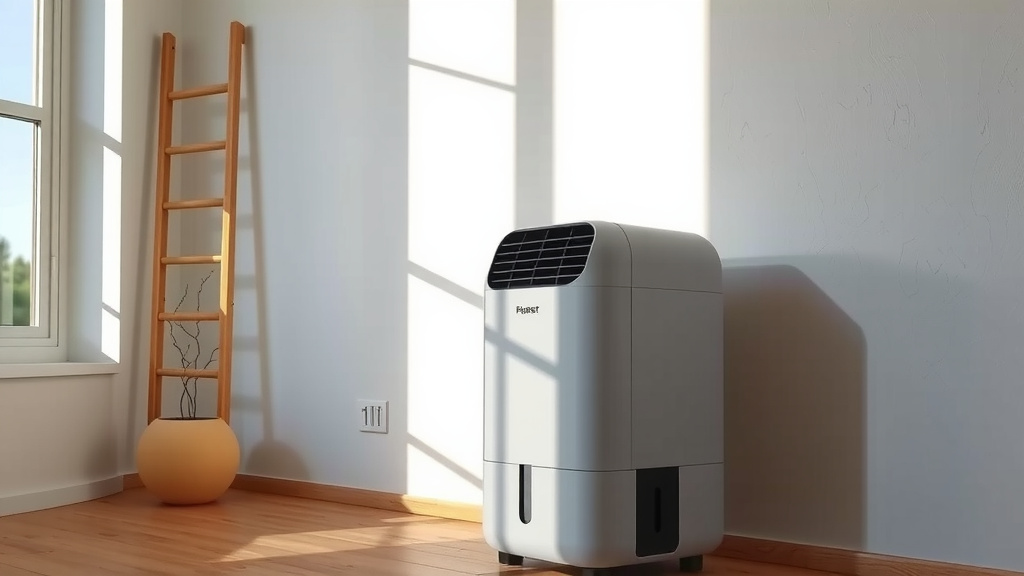
Yes, a dehumidifier can certainly help dry out walls, especially for surface-level moisture, humidity, and minor dampness. It pulls excess moisture from the air, which then draws moisture out of porous materials like drywall or plaster, aiding in their drying process.
A dehumidifier is an excellent tool for managing ambient humidity and drying walls after minor leaks or high humidity. It works best for lighter moisture issues, preventing mold and mildew growth effectively.
Here’s a quick summary of what you’ll find in this guide:
- Dehumidifiers excel at tackling light wall moisture and high humidity.
- For significant water damage, you’ll need more powerful drying methods and professional help.
- Proper placement and understanding your dehumidifier’s capacity are key for best results.
- Always check wall moisture levels to ensure effective drying.
- Acting quickly helps prevent mold and further structural issues.
Can a Dehumidifier Dry Out a Walls?
Yes, a dehumidifier is a valuable tool for drying out walls. It removes moisture from the air, which then encourages moisture to evaporate from the walls themselves.
Understanding Wall Moisture: Why It Matters
Have you ever noticed a musty smell in your home, or perhaps seen a damp patch on a wall? These are often signs of excess moisture. When walls get wet, whether from a small leak, condensation, or high humidity, it creates an inviting environment for mold and mildew. This can lead to unpleasant odors and even affect your indoor air quality. That’s why dealing with wall moisture quickly is so important for your home’s health and your comfort.
How a Dehumidifier Works on Walls
Think of your dehumidifier like a thirsty sponge for the air. It draws in humid air, cools it down to condense the moisture into water droplets, and then releases drier air back into the room. When the air around your walls becomes drier, the moisture trapped within the walls naturally wants to move into the surrounding air to achieve balance. This process, known as evaporation, is how your dehumidifier helps dry those damp surfaces. It’s a gentle yet steady drying method.
The Science Behind Moisture Removal
When there’s more moisture in your walls than in the air, the laws of physics kick in. Water molecules move from areas of higher concentration to lower concentration. By consistently reducing the humidity in the room, your dehumidifier creates a significant “pull” for the moisture within the walls. This helps speed up the natural drying process, much faster than just waiting for the air to dry out on its own. It’s a targeted attack on dampness.
When a Dehumidifier Is Your Best Friend
A dehumidifier truly shines in certain situations. If you have a constantly humid basement, or walls that feel damp after a steamy shower with poor ventilation, it’s perfect. It’s also great for drying after small spills, minor pipe condensation, or when dealing with seasonal humidity. We found that for surface dampness or minor moisture issues, a dehumidifier can be incredibly effective (EPA guidelines).
- Managing high humidity in basements or bathrooms.
- Drying walls after a minor leak or overflow.
- Preventing condensation on walls in humid climates.
- Tackling musty odors caused by dampness.
- Maintaining ideal indoor humidity levels (ideally between 30-50%).
When a Dehumidifier Isn’t Enough (or Not Suitable)
While powerful, a dehumidifier isn’t a magic wand for every water problem. For large-scale flooding, significant pipe bursts, or deep structural water damage, it simply can’t keep up. These situations require industrial-grade water extraction, professional drying equipment, and often, demolition. Trying to dry severe water damage with just a dehumidifier can lead to insufficient drying, mold growth deep within walls, and ongoing structural issues. You might need to call in a water damage restoration expert for those big jobs.
| Type of Water Damage | Dehumidifier Effectiveness | Recommended Action |
|---|---|---|
| Mild dampness / High humidity | High (Excellent for prevention) | Run a standard home dehumidifier. |
| Minor spill / Surface wetness | Good (Aids evaporation) | Use a dehumidifier, wipe surfaces. |
| Moderate leak / Saturated drywall | Limited (Slow, may not be enough) | Dehumidifier + fans; consider professional help. |
| Severe flooding / Deep saturation | Very Low (Insufficient) | Immediate professional water extraction, specialized drying. |
What About Serious Water Damage?
If your walls have been soaked through for an extended period, or if you’re dealing with a flood, a small dehumidifier won’t cut it. This type of damage penetrates insulation, studs, and subflooring. Many experts say that for significant water infiltration, you need commercial-grade dehumidifiers, air movers, and often professional demolition to ensure proper drying and prevent hidden mold (IICRC standards). Don’t hesitate to call for help in these scenarios.
Tips for Effective Dehumidifier Use on Walls
To get the most out of your dehumidifier when tackling wall moisture, a little strategy goes a long way. Placement is key; you want it close to the affected area but with enough space for air circulation. Also, consider sealing off the room if possible to concentrate the dehumidifier’s efforts. Many people don’t realize that simply turning it on isn’t always enough; you need to optimize its environment. Setting the humidity target to around 40-50% is generally ideal for drying and comfort (ASHRAE guidelines).
Here’s a quick checklist for optimal use:
- Place the dehumidifier directly in the dampest room.
- Close windows and doors to keep outside humidity out.
- Use fans to circulate air, helping moisture evaporate faster.
- Empty the water reservoir regularly or use a continuous drain.
- Monitor the room’s humidity with a hygrometer.
- Clean the air filter often to maintain efficiency.
Measuring Moisture Levels: Your Best Tool
How do you know if your walls are truly dry? You can’t always tell by touch. This is where a moisture meter comes in handy. These inexpensive tools allow you to measure the exact moisture content in your drywall or wood. We found that tracking moisture levels over time helps you understand your progress and confirms when your walls are genuinely dry. Many experts suggest aiming for moisture readings below 15-20% for typical building materials to prevent mold.
Maintaining Your Dehumidifier for Optimal Performance
Just like any appliance, your dehumidifier needs a little TLC to keep working its best. Regular maintenance ensures it runs efficiently and effectively. Neglecting it can reduce its lifespan and impact its ability to dry out your walls properly. A well-maintained unit means faster drying times and better air quality for your home. It’s a small effort that yields big results in preventing moisture problems.
Clean Filters, Clear Air
The most important maintenance task is cleaning the air filter. A dirty filter restricts airflow, making your dehumidifier work harder and less efficiently. We often see that a clean filter dramatically improves performance, extending the life of your unit. Many manufacturers recommend cleaning or replacing the filter every few weeks, depending on use. It’s a simple step that makes a huge difference.
Common Misconceptions About Dehumidifiers
It’s easy to misunderstand what a dehumidifier can and cannot do. For instance, some people believe a dehumidifier can instantly dry out a water-damaged area, but it’s a gradual process. Others think running it constantly is always the best approach, but maintaining ideal humidity levels is more effective than drying the air too much. Also, it’s not a substitute for fixing the source of a leak. Always address the leak first! A dehumidifier only treats the symptom, not the underlying cause.
Conclusion
So, can a dehumidifier dry out walls? Absolutely, for the right situations! It’s a powerful ally against dampness, high humidity, and minor moisture issues. It helps prevent mold and keeps your home feeling fresh. Remember to assess the severity of the moisture, use your dehumidifier strategically, and maintain it properly. For bigger water problems, don’t hesitate to call the professionals. By understanding its capabilities and limitations, you can effectively protect your walls and enjoy a healthier, drier living space.
How quickly can a dehumidifier dry out a wall?
The drying time for a wall using a dehumidifier varies widely depending on several factors, including the wall material, the extent of the moisture, the room’s temperature, and the dehumidifier’s capacity. For light surface dampness, you might see significant improvement within a few days. For deeper moisture, it could take a week or more. Using fans alongside the dehumidifier can speed up the process by circulating air.
Can I leave a dehumidifier running constantly on a damp wall?
While you can leave a dehumidifier running, it’s generally more effective and energy-efficient to set it to a target humidity level, typically between 40-50%. Running it constantly when the air is already dry won’t significantly speed up wall drying and uses more energy. Monitor the humidity with a hygrometer and let the dehumidifier cycle on and off as needed to maintain your desired dryness level.
Do I need to open windows when using a dehumidifier for walls?
No, it’s best to keep windows and doors closed when running a dehumidifier to dry walls. Opening them allows humid outdoor air to enter the room, making your dehumidifier work harder and less efficiently. The goal is to create a sealed environment so the dehumidifier can effectively pull moisture from the air within that space, including moisture evaporating from your walls.
What size dehumidifier do I need for a damp wall?
The right size dehumidifier depends on the size of the room and the level of dampness. For a small room with light dampness, a compact unit might suffice. For a larger room or a very damp basement, you’ll need a larger capacity unit, measured in pints of moisture removed per day. We recommend consulting a sizing guide from a reputable brand or speaking with an expert if you’re unsure, as an undersized unit will struggle to be effective.
Can a dehumidifier fix structural damage from water?
No, a dehumidifier cannot fix structural damage from water. Its purpose is to remove moisture from the air and materials. If water has caused wood to warp, drywall to crumble, or foundations to crack, those issues require direct repair or replacement by qualified professionals. A dehumidifier helps prevent further damage by drying the area, but it cannot reverse existing structural harm.
