
Can a Dehumidifier Help with Congestion?
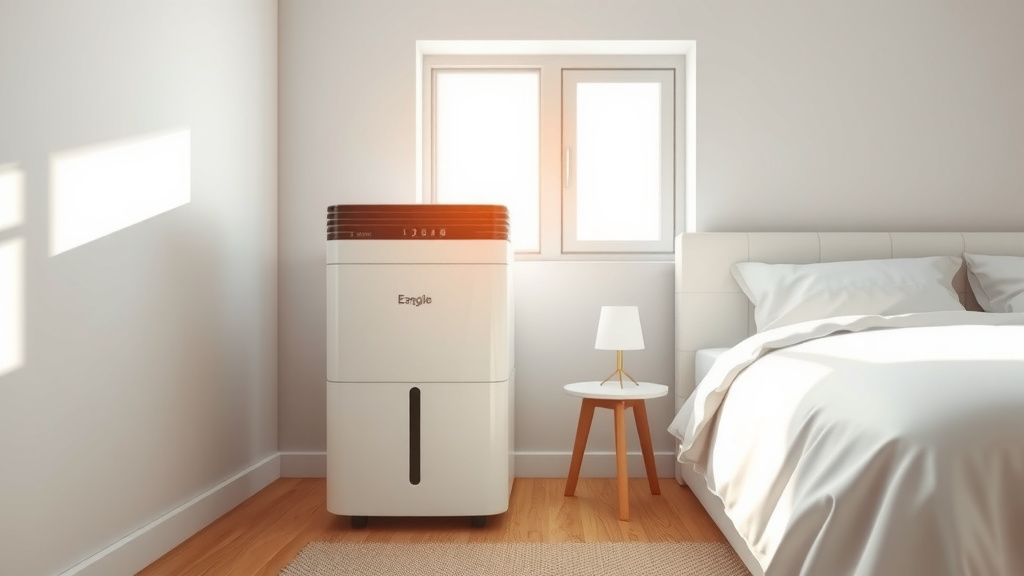
Yes, a dehumidifier can help with congestion by reducing airborne irritants and allergens often thriving in high humidity. By lowering indoor moisture, you create an environment less favorable for mold, dust mites, and bacteria, which are common triggers for respiratory issues and congestion.
Controlling your indoor humidity with a dehumidifier helps alleviate symptoms like stuffy noses, sinus pressure, and post-nasal drip, making it easier for you to breathe and feel more comfortable.
- Humid environments often worsen congestion.
- Dehumidifiers reduce moisture, limiting mold and dust mites.
- Fewer allergens mean less irritation for your nasal passages.
- Breathing becomes easier, and congestion symptoms can lessen.
- It’s a practical step for a healthier indoor air quality.
Can a Dehumidifier Help with Congestion?
Absolutely, a dehumidifier can be a powerful ally in your battle against congestion. By taking control of the humidity in your home, you directly impact the quality of the air you breathe.
This simple appliance helps create an environment where common congestion triggers cannot thrive, offering you relief.
Understanding Congestion: More Than Just a Stuffy Nose
Congestion feels like a heavy blanket over your airways. It’s that frustrating feeling of not being able to breathe freely through your nose. But what is truly going on?
It’s often more than just a stuffy nose; it can involve inflammation and excess mucus in your nasal passages. This makes airflow difficult and causes pressure.
What Causes Your Nose to Clog?
Many things can cause your nose to feel blocked. Allergies are a big culprit, reacting to pollen, pet dander, or dust mites. Colds and flus also bring their share of stuffiness.
Sometimes, irritants like strong perfumes or smoke can even trigger your nasal passages to react. Your body tries to protect itself, but it can make you feel miserable.
The Link Between Humidity and Your Health
Have you ever noticed your congestion seems worse on damp, muggy days? There’s a good reason for that. High humidity can be a real troublemaker for your respiratory system.
It creates perfect breeding grounds for microscopic foes that love moisture. These silent invaders can worsen your existing symptoms.
Why High Humidity is Your Congestion’s Friend
When the air is too moist, it’s like a party for mold spores. These tiny fungi release particles that many people are sensitive to. You inhale them, and your body reacts, often with congestion.
Dust mites, another common allergen, also flourish in high humidity. These microscopic creatures and their waste particles can cause significant respiratory irritation. Many experts say that controlling dust mites is key (Cleveland Clinic).
The Ideal Humidity for Better Breathing
So, what’s the sweet spot for indoor humidity? Most health organizations, like the Environmental Protection Agency (EPA), suggest keeping your home’s relative humidity between 30% and 50%. This range is generally comfortable for people and helps deter mold and dust mites.
Using a hygrometer, a small device that measures humidity, can help you keep an eye on your levels. It’s like a weather report for your living room.
How a Dehumidifier Works Its Magic
A dehumidifier is essentially a moisture magnet. It draws in warm, moist air, cools it down to condense the water, and then releases drier, slightly warmer air back into your room.
Think of it as giving your air a much-needed dry bath. This process directly impacts the environment that causes congestion.
Removing Moisture, Removing Irritants
By actively pulling excess moisture from the air, a dehumidifier starves mold spores and dust mites. Without the damp conditions they need, their populations simply can’t explode.
This reduction in airborne irritants means fewer triggers for your nasal passages. It’s a straightforward approach to cleaning up your indoor air.
Tackling Mold and Mildew Growth
Mold and mildew love damp, dark places. Your bathroom, basement, or even a poorly ventilated bedroom can become a breeding ground. The musty smell you notice is often a sign of their presence.
A dehumidifier helps dry out these areas, making them inhospitable for mold to grow. This significantly reduces the mold spores floating around your home.
Controlling Dust Mite Populations
Dust mites are tiny pests that thrive in humid conditions, especially in bedding, carpets, and upholstered furniture. They feed on dead skin cells, which are plentiful in homes.
When humidity drops below 50%, research often shows that dust mites struggle to survive and reproduce (NIH). A dehumidifier can be a powerful tool in your dust mite control strategy.
Beyond Allergens: A Calmer Respiratory System
Even if you don’t have allergies, excessive humidity can still irritate your respiratory system. Damp air can feel heavy and sometimes difficult to breathe. It can also make a cold or sinus infection feel worse.
A drier environment often leads to a lighter, fresher feeling in the air. This can help your lungs and nasal passages feel less burdened. We found that many people report feeling more comfortable with balanced humidity.
Choosing the Right Dehumidifier for Your Home
Picking the right dehumidifier isn’t like choosing a new shirt; it requires a bit more thought. You need one that matches the size of your space and the level of humidity you’re battling.
A tiny unit in a large, damp basement won’t get the job done efficiently.
Factors to Consider: Size and Type
Dehumidifiers are rated by their capacity, usually in pints of water removed per day. A smaller unit might be fine for a single room, while a larger one is for whole basements or multi-room areas.
There are also different types: portable units for specific rooms, or whole-house systems integrated into your HVAC. Consider what works best for your household.
Here’s a quick comparison of humidity effects:
| Humidity Level | Impact on Congestion & Home |
|---|---|
| Above 60% (High) | Increased mold, dust mites, bacteria; stuffy air; musty odors; worsens allergy symptoms. |
| 30% to 50% (Ideal) | Discourages irritants; comfortable breathing; fresh air; less allergy congestion. |
When to Use Your Dehumidifier
You’ll get the most benefit from your dehumidifier during seasons when humidity is naturally high, like summer or during prolonged rainy periods. Basements and bathrooms often need consistent dehumidification.
If you live in a climate that’s generally damp, using it year-round might be wise. The goal is to keep those humidity levels in the healthy range consistently.
Setting Up for Success: Tips for Optimal Use
Just owning a dehumidifier isn’t enough; you need to use it correctly to see the best results. Proper placement and regular maintenance are key to its effectiveness.
Think of it as a helpful tool; you need to know how to wield it right.
Monitoring Your Humidity Levels
As we mentioned, a hygrometer is your best friend here. Place it in the room where your dehumidifier is running. It gives you a real-time reading of the humidity.
Adjust your dehumidifier settings based on these readings to stay within that 30-50% sweet spot. It’s like having a personal weather station indoors.
Maintaining Your Dehumidifier for Peak Performance
Like any appliance, your dehumidifier needs a little TLC. A well-maintained unit runs more efficiently and lasts longer. Neglect can lead to poor performance and even breakdowns.
Regular cleaning is super important for healthy operation. This ensures it can effectively pull moisture from the air.
- Empty the water bucket regularly: Prevents overflow and mold growth within the unit.
- Clean the air filter: Do this monthly to maintain airflow and efficiency.
- Clean coils and grilles: Use a soft brush or vacuum to remove dust build-up.
- Check for frost buildup: Defrost if necessary, especially in colder environments.
- Ensure proper airflow: Don’t block the intake or exhaust vents.
When to See a Doctor for Persistent Congestion
While a dehumidifier can offer significant relief, it’s not a magic cure-all. If your congestion is severe, persistent, or accompanied by other concerning symptoms, please don’t delay seeing a doctor.
Things like fever, severe pain, or difficulty breathing warrant immediate medical attention. We found that many guidelines point to consulting a healthcare provider for ongoing symptoms (Mayo Clinic).
Conclusion
Dehumidifiers are a practical and effective tool for managing indoor air quality and, in turn, alleviating congestion. By reducing moisture, you cut down on common irritants like mold and dust mites that frequently trigger stuffy noses and respiratory discomfort. It’s about creating a healthier, drier environment that lets you breathe a little easier. So, if you’re constantly battling congestion, especially in humid conditions, a dehumidifier might just be the simple solution you’ve been searching for. Give your nose a break and enjoy fresher, cleaner air.
Can a dehumidifier replace medication for congestion?
No, a dehumidifier is a supportive tool for environmental control, not a direct medication replacement. It helps reduce environmental triggers like mold and dust mites that worsen congestion. For acute symptoms or underlying medical conditions, always follow your doctor’s advice and prescribed medications.
How long does it take for a dehumidifier to improve congestion?
You might notice an improvement in air quality and a reduction in musty odors within a few days of consistent use. For congestion relief, it could take a week or two as mold spores and dust mite populations decrease in your home. Consistency is key.
Should I use a humidifier or dehumidifier for congestion?
It depends on your home’s humidity and the type of congestion. If your home is damp and stuffy, causing allergy-related congestion, a dehumidifier is best. If your congestion is due to dry air irritating your sinuses, a humidifier might help. Always measure your home’s humidity first.
What humidity level is best for respiratory health?
Most experts recommend maintaining indoor relative humidity between 30% and 50% for optimal respiratory health. This range helps prevent the growth of mold, dust mites, and other allergens while also keeping the air comfortable to breathe.
Can a dehumidifier help with congestion caused by a cold?
While a dehumidifier won’t cure a cold, it can help manage congestion symptoms. By maintaining optimal humidity, it reduces airborne irritants that could worsen your discomfort. It also makes the air feel less heavy, potentially making it easier to breathe while you recover.
