
Can a Dehumidifier Make the Air Too Dry?
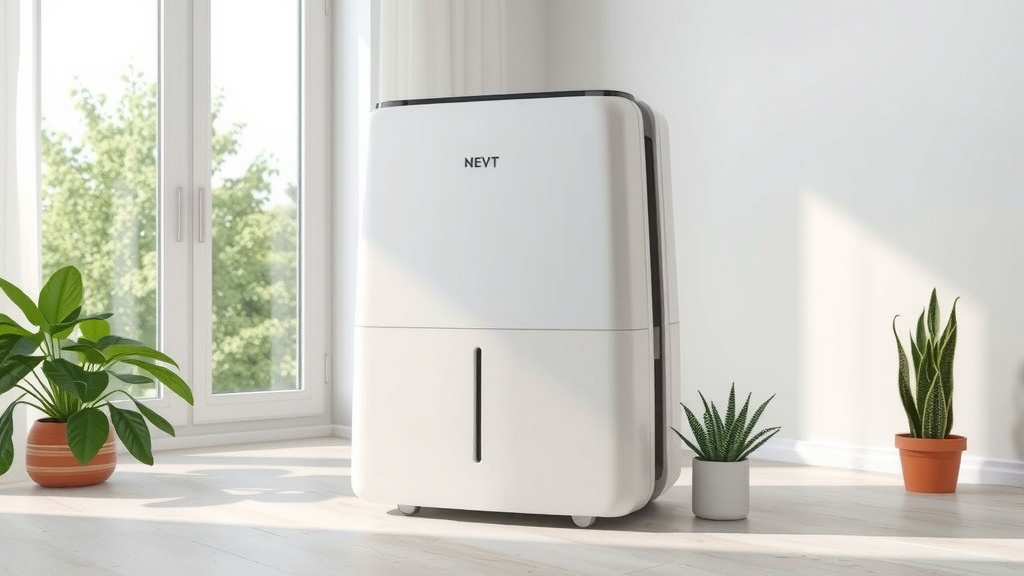
Yes, a dehumidifier can make the air too dry if it runs continuously without proper monitoring or controls. This can lead to uncomfortable physical symptoms and potential damage to your home and belongings.
Achieving the right humidity balance is key, as ideal indoor relative humidity generally falls between 40% and 60% for optimal comfort and health.
- Too much dehumidifying can make your air uncomfortably dry, causing symptoms like dry skin or scratchy throat.
- The ideal indoor humidity range is usually 40% to 60%.
- Using a dehumidifier with a built-in humidistat helps maintain balanced moisture levels.
- Monitoring your home’s humidity with a hygrometer is a smart step.
- You can prevent over-drying by setting your dehumidifier correctly and not letting it run constantly.
Can a Dehumidifier Make the Air Too Dry?
Yes, absolutely, a dehumidifier can make the air too dry. If you run your unit without a humidistat or ignore its settings, it can pull too much moisture from your indoor environment, creating uncomfortable conditions.
Understanding Relative Humidity
Relative humidity is simply the amount of water vapor in the air compared to the maximum it can hold at a certain temperature. Think of it like a sponge. A fully saturated sponge has 100% relative humidity.
When your air holds too much moisture, it feels sticky and muggy. When it holds too little, the air feels crisp and can cause static shocks. Finding that sweet spot is the goal.
The Sweet Spot: Ideal Indoor Humidity
So, what’s the magic number? Many experts, including the Mayo Clinic, suggest keeping your indoor relative humidity between 40% and 60%. This range is generally considered ideal for both human comfort and the health of your home.
Too much humidity encourages mold and dust mites. Too little can cause different problems. You are aiming for a comfortable middle ground.
How Your Dehumidifier Works
Your dehumidifier is like a tiny air conditioner. It pulls in warm, moist air, cools it down to condense the water out, and then releases the drier air back into your room. The collected water drips into a bucket or drains away.
This process is very effective at removing excess moisture. But if left unchecked, it can keep working until the air is significantly drier than you want.
The Role of a Humidistat
Most modern dehumidifiers come with a humidistat. This smart feature acts like a thermostat for humidity. You set your desired humidity level, say 50%, and the unit will automatically turn on and off to maintain it.
If your dehumidifier doesn’t have one, or if you bypass it, you risk creating an overly dry environment. Always check your settings to prevent this issue.
Signs Your Air Might Be Too Dry
How can you tell if your dehumidifier has gone too far? Your body often gives the first clues. You might experience a scratchy throat or dry eyes when the air is lacking moisture.
Your home can also show signs. Static electricity might become more common, or wooden furniture could begin to creak. These are all hints the humidity balance is off.
| Symptoms of Low Humidity | Symptoms of High Humidity |
|---|---|
| Dry skin, chapped lips | Muggy, sticky feeling |
| Scratchy throat, irritated sinuses | Mold growth, musty odors |
| Static electricity buildup | Dust mites thrive |
| Cracking wood furniture or floors | Condensation on windows |
| Nosebleeds (in severe cases) | Peeling paint or wallpaper |
Health Impacts of Overly Dry Air
When the air is too dry, it can affect your well-being. Your skin can feel tight and flaky. Your nasal passages and throat might dry out, potentially increasing susceptibility to colds or sinus issues (NIH).
Some people find their eyes become irritated and itchy. Even your quality of sleep can suffer when the air feels parched. It’s a comfort thing, but it has health connections too.
Protecting Your Home and Belongings
It’s not just you that suffers. Your home and personal items can also be affected. Wooden floors, furniture, and musical instruments can shrink and crack in overly dry conditions.
Artwork and books might also become brittle. Maintaining proper humidity helps preserve the life and beauty of your cherished possessions. It’s about more than just comfort.
When a Humidifier Might Help
Paradoxically, sometimes you might need a humidifier in one area while a dehumidifier works in another. For example, your basement might need dehumidifying, but your bedroom could benefit from a humidifier during winter. It’s about targeting specific zones.
Always measure the humidity in each room individually. We found that humidity levels can vary greatly from one part of a house to another, depending on factors like insulation and activity.
Smart Ways to Prevent Over-Drying
So, how do you avoid making your home feel like a desert? It’s simpler than you might think. Adjusting your dehumidifier settings and monitoring the air are your best tools.
Many experts say that paying attention to how your body feels is also a great indicator. If you feel too dry, it’s time to check your unit.
Tips for Balancing Humidity
- Set your dehumidifier’s humidistat to between 40% and 50% for general comfort.
- Use a separate hygrometer to verify your room’s actual humidity level.
- Don’t let your dehumidifier run constantly if it lacks an auto-shutoff feature.
- Consider running it only when you notice signs of high humidity, like a musty smell.
- Place your dehumidifier in the dampest areas, like basements or bathrooms, rather than centrally.
Choosing the Right Dehumidifier Size
Selecting the correct size unit for your space is also important. A unit that is too small won’t effectively remove moisture, while one that is too large can sometimes over-dry the air too quickly, leading to more frequent cycling.
The Association of Home Appliance Manufacturers (AHAM) provides guidelines for matching dehumidifier capacity to room size and existing dampness. We found that following these recommendations leads to better results.
Checklist for Optimal Dehumidifier Use
- Confirm your dehumidifier has a humidistat.
- Set the desired humidity level (e.g., 45%).
- Monitor with a separate hygrometer.
- Empty the water bucket regularly or use continuous drain.
- Clean filters for efficient operation.
- Observe for signs of over-drying.
Conclusion
Yes, a dehumidifier can certainly make your air too dry, but you have the power to prevent it. By understanding how your unit works, paying attention to ideal humidity levels, and using its built-in features like a humidistat, you can maintain a comfortable and healthy indoor environment.
The goal is always balance—removing excess moisture without swinging too far in the opposite direction. Your home and your body will thank you for finding that perfect humidity sweet spot.
How do I know what the humidity level is in my house?
You can easily check your home’s humidity level with a device called a hygrometer. These are inexpensive and readily available, often combined with a thermometer. Place it in the rooms where you are most concerned about moisture.
Can dry air make allergies worse?
While often associated with high humidity and mold, overly dry air can also irritate sensitive nasal passages and throats, making them more vulnerable to allergens or irritants. It can also dry out mucus membranes, which are a natural defense against airborne particles.
Should I run my dehumidifier all the time?
Generally, no. It is best to run your dehumidifier only when needed, especially if it has a humidistat. Set it to your desired humidity level (e.g., 45-50%), and it will automatically turn on and off to maintain that range. Running it constantly without a humidistat can lead to over-drying and wasted energy.
What is the healthiest humidity level for a home?
The healthiest and most comfortable humidity level for most homes is typically between 40% and 60% relative humidity. This range helps prevent issues like mold growth and dust mites while also avoiding the problems associated with overly dry air.
Will a dehumidifier help with static electricity?
A dehumidifier will not help with static electricity; in fact, it can make it worse if it dries the air too much. Static electricity becomes more noticeable when the air is very dry. If you are experiencing excessive static, your humidity level might be too low, and you might need to add moisture back into the air with a humidifier.
