
Can a Dehumidifier Overheat?
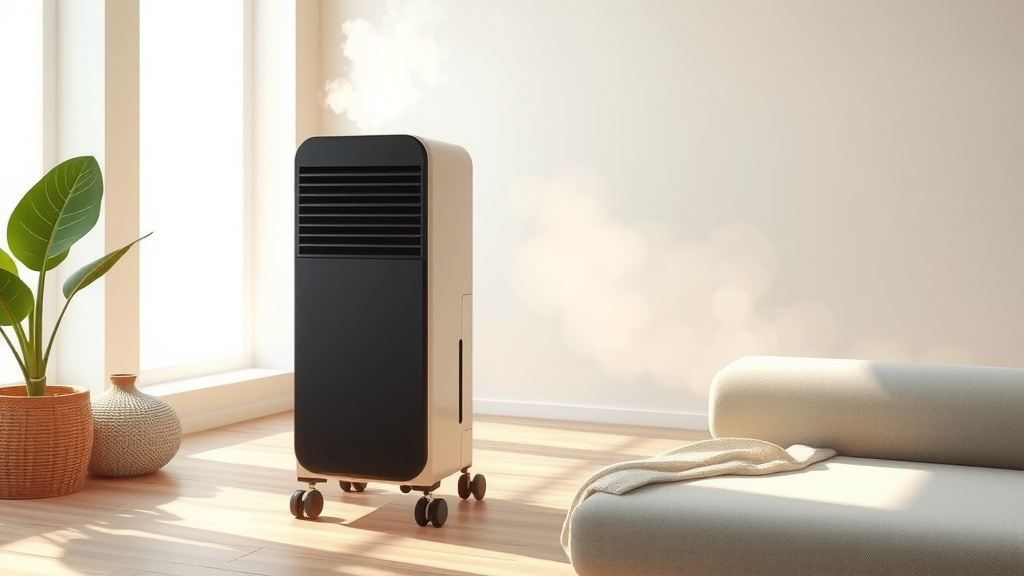
Yes, a dehumidifier can overheat, especially if its airflow is blocked, filters are dirty, or it’s running continuously in a warm environment. It’s important to recognize the signs to prevent damage or potential fire hazards.
While some warmth is normal during operation as part of the dehumidification process, excessive heat often indicates an underlying issue that needs immediate attention to keep your unit running safely and efficiently.
- A dehumidifier can get too hot due to blocked airflow or dirty components.
- Normal warmth is part of the process, but excessive heat is a warning sign.
- Look for burning smells, unusual noises, or automatic shutdowns.
- Regular cleaning and proper placement are your best defense against overheating.
- If issues persist, unplug it and consider professional help to stay safe.
Can a Dehumidifier Overheat?
Yes, your dehumidifier certainly can get too hot. While some warmth is normal, it can definitely overheat if conditions aren’t right, posing safety risks and unit damage.
Why Do Dehumidifiers Get Warm?
It’s natural for your dehumidifier to feel a bit warm when it’s working. This happens because it pulls in moist air, cools it to condense water, and then reheats the dry air before releasing it. This process creates some operational heat.
Think of it like your refrigerator; the back feels warm because the compressor is actively working. Your dehumidifier has similar components, like a compressor, that generate heat as they remove humidity from your space. It’s all part of its job to make your air drier.
It’s Just Doing Its Job
A little warmth is just your dehumidifier doing its thing. It’s working hard to pull moisture out of the air. You might feel a gentle warmth around the vents, and that’s usually perfectly fine. It means the unit is actively processing air.
However, “warm” is different from “hot to the touch” or “burning.” Knowing the difference is important for keeping your home safe and your appliance happy. You want it working, but not struggling to cool itself. We found that normal operating temperatures are generally mild (ENERGY STAR).
Signs Your Dehumidifier Might Be Overheating
How can you tell if your dehumidifier is just warm or genuinely overheating? There are a few clear warning signs you should watch for. Recognizing these signals early can help you prevent bigger problems. Your senses are your first line of defense here.
The Smell Test
One of the most immediate signs of overheating is a strange smell. Do you notice a burning plastic smell, or perhaps an acrid electrical odor? This is often a strong indicator that something inside is getting too hot. Trust your nose on this one. It’s like smelling toast burn; you know something isn’t right.
Unusual Noises
Is your dehumidifier suddenly making grinding, buzzing, or whirring sounds that you haven’t heard before? Overheating can cause internal components to stress, leading to these types of noises. A unit struggling often makes more noise than one running smoothly. A sudden change in sound is a red flag for concern.
Automatic Shut-Offs
Many modern dehumidifiers have safety features that automatically shut them down if they get too hot. If your unit keeps turning off randomly, even though the bucket isn’t full and the power is on, it could be overheating. This is its way of saying, “I need a break!” It’s a built-in safety measure to prevent further damage.
What Causes a Dehumidifier to Overheat?
Several factors can lead to your dehumidifier getting too hot. Understanding these causes helps you take preventative action. It’s often a combination of environmental factors and maintenance issues that push a unit past its safe operating limits. We found that poor maintenance is a common contributing factor.
Blocked Airflow is a Big Culprit
This is probably the most common reason. If the air intake or exhaust vents are blocked by furniture, curtains, or even just dust bunnies, air can’t circulate properly. This traps heat inside the unit, forcing the motor to work harder and get hotter. It’s like trying to breathe with your nose pinched; the unit struggles.
Dirty Coils and Filters
Just like your HVAC system, a dehumidifier has filters and coils that can get clogged with dust, pet hair, and debris. When these are dirty, the unit has to work much harder to pull air through, leading to increased internal temperatures. Regular cleaning is a simple way to keep things running smoothly.
Motor Overload
Continuous operation in a very humid or warm environment can put a lot of strain on the motor. If the motor is constantly working at its maximum capacity, it can overheat. Sometimes, this also happens if the unit is undersized for the space it’s trying to dehumidify. Many experts say selecting the right size unit is vital (Department of Energy).
Poor Placement
Where you put your dehumidifier matters a lot. Placing it too close to a wall, in a small enclosed space, or near heat sources like a furnace can restrict airflow and elevate its operating temperature. Giving it room to breathe is essential. Proper ventilation around the unit helps dissipate heat. Research often connects poor placement with reduced unit lifespan.
How to Prevent Your Dehumidifier from Overheating
The good news is that preventing overheating is often straightforward and involves regular, simple maintenance. Taking a few proactive steps can save you headaches and extend the life of your appliance. Think of it as giving your dehumidifier a little TLC. These tips are about easy prevention.
Keep It Clean and Clear (Checklist)
- Regularly check and clean or replace the air filter (usually monthly).
- Vacuum the exterior vents to remove dust and debris.
- Ensure there’s at least 6-12 inches of space around all sides of the unit.
- Keep the water collection bucket clean and free of mold or mildew.
- Periodically wipe down the coils if they are accessible and visible.
Don’t Overwork It
Even though dehumidifiers are built to run, giving them a break can be helpful, especially in extremely humid conditions. Consider running it for several hours, then turning it off for a while. Using the timer feature can also help. This helps manage the strain on the compressor and motor. Sometimes, less continuous work means more efficient overall operation.
Proper Placement Matters
Choosing the right spot for your dehumidifier is more important than you might think. A well-placed unit works more efficiently and stays cooler. Here’s a quick guide to help you pick the best location for your moisture-munching friend. This ensures good airflow and prevents unnecessary strain.
| Good Placement | Bad Placement |
|---|---|
| Central in the room | Tucked tightly against a wall |
| Away from heat sources | Next to a furnace or radiator |
| In open, airy areas | Inside a small closet or pantry |
| On a flat, stable surface | On uneven or carpeted surfaces |
When to Worry: Time to Call a Pro?
Sometimes, despite your best efforts, a dehumidifier might still show signs of trouble. If you’ve cleaned it, ensured proper airflow, and it’s still acting up—getting too hot, making strange noises, or shutting off—it might be time for expert intervention. Don’t push a faulty unit, as it could become a fire hazard. Your safety is always the main concern.
Safety First
If you suspect serious overheating or an electrical issue, immediately unplug the unit. Do not attempt to open it or repair it yourself unless you are qualified. Many experts say that for electrical appliances, if you are unsure, it is best to consult a professional. Prioritizing safety means knowing when to call in the cavalry.
Conclusion
While a dehumidifier getting a little warm is a normal part of its job, overheating is a clear signal that something needs your attention. By understanding the causes, recognizing the warning signs, and performing simple, regular maintenance, you can keep your unit running safely and efficiently. Remember, a little care goes a long way in ensuring your home stays comfortably dry without putting your dehumidifier under undue stress. Keep those filters clean and those vents clear, and your dehumidifier will thank you.
Can a dehumidifier cause a fire?
In rare cases, yes. While not common, severe overheating, electrical shorts, or faulty components in an unmaintained dehumidifier can potentially lead to a fire. This risk is why recognizing overheating signs and performing regular maintenance are so important.
How long can a dehumidifier run continuously?
Most modern dehumidifiers are designed to run for extended periods, even continuously if needed, especially in very humid conditions. However, giving them occasional breaks, or using the humidistat setting to maintain a desired humidity level rather than constant operation, can extend their lifespan and prevent overheating.
What is the ideal temperature for a dehumidifier to operate?
Dehumidifiers generally operate best in temperatures between 65°F (18°C) and 90°F (32°C). Running them in much colder temperatures can cause the coils to freeze, reducing efficiency, while very high ambient temperatures can put extra strain on the compressor, increasing the risk of overheating.
Does putting a dehumidifier in a small room make it overheat faster?
Not necessarily faster due to size alone, but a small room with poor ventilation can contribute to overheating. If the unit is oversized for the small space, it might cycle on and off frequently, which can stress components. The main concern is ensuring adequate airflow around the unit, regardless of room size.
How often should I clean my dehumidifier filter?
Many manufacturers and experts recommend cleaning your dehumidifier filter at least once a month, or even more frequently if you live in a dusty environment or have pets. A clean filter is vital for efficient operation and to prevent the unit from having to work harder, which could lead to overheating.
