
Can a Heater Act as a Dehumidifier?
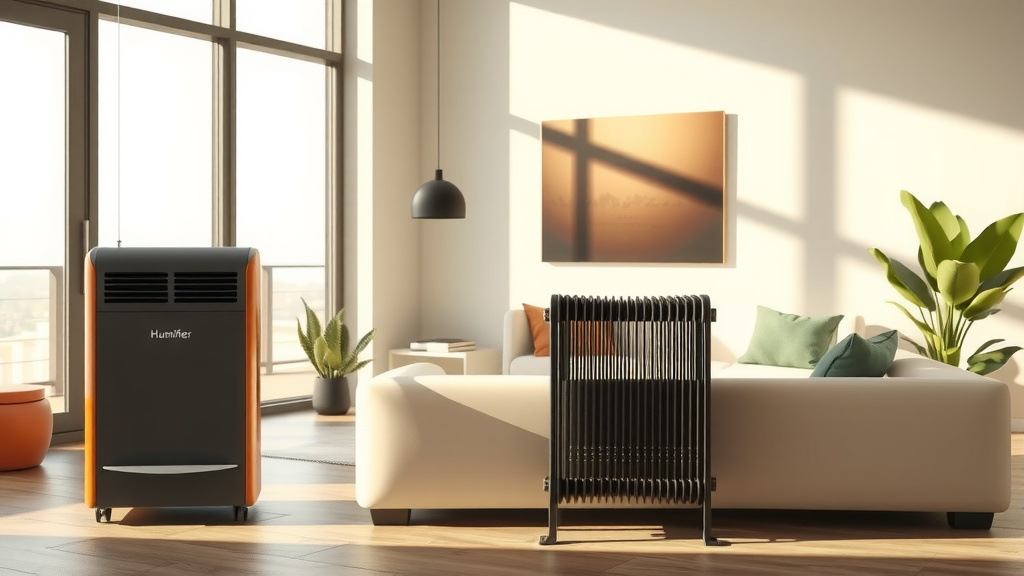
No, a heater cannot act as a dehumidifier in the true sense of removing moisture from the air. While it can make a room feel drier, a heater actually increases the air’s capacity to hold moisture.
A heater warms the air, which can temporarily lower relative humidity, but it doesn’t remove the water vapor itself; it simply makes the existing moisture less noticeable.
Here’s a quick overview of what you’ll find in this article:
- Heaters don’t remove moisture; they just warm the air.
- Warm air can hold more water, which feels drier but isn’t.
- This can lead to hidden mold issues in the long run.
- For real moisture removal, a dedicated dehumidifier is necessary.
- We’ll explore how heaters affect humidity and real solutions.
Can a Heater Act as a Dehumidifier?
You might notice a room feels less damp when you turn up the heat. This is a common feeling, but it doesn’t mean your heater is pulling moisture out of the air. We found that heaters don’t extract water vapor from your home; they simply change how the existing moisture behaves.
Understanding How Dehumidifiers Work
A true dehumidifier works by cooling air over coils. This process makes the water vapor condense into liquid water. Think of a cold glass on a humid day; tiny water droplets form on the outside. Dehumidifiers use this principle to collect and drain away moisture, truly removing it from your environment (Cleveland Clinic).
They actually pull humid air in, chill it down, and then push drier air back out. This is a key difference from just warming up the air around you.
The Science Behind Heaters and Humidity
When you heat air, its capacity to hold moisture increases. Imagine a sponge. When it’s cold, it might feel full quickly. But as it warms up, it can soak up more water without feeling saturated. This is how air works with humidity.
The actual amount of water vapor in the air stays the same, but the relative humidity drops. This drop happens because the warmer air now has a greater “thirst” for moisture, even if no new moisture is added.
The “Drying” Sensation vs. Actual Dehumidification
You feel drier when a heater is on because the air around you is further away from its saturation point. Your sweat evaporates faster, making you feel more comfortable. This is a temporary sensation, not a permanent change in the air’s moisture content.
It’s like having a messy room. You can push all the clutter into a closet, and the room looks clean, but the mess itself hasn’t gone anywhere. The problem is just hidden, not solved.
Why a Heater Isn’t a True Dehumidifier
While a heater might offer a fleeting sense of dryness, its fundamental mechanics are geared towards warmth, not moisture extraction. Let’s break down why this distinction matters for your home and health.
Moving Moisture, Not Removing It
A heater warms the air, which makes the water molecules move around more rapidly. This means the moisture is simply disbursed or less concentrated. It doesn’t disappear; it just becomes less likely to condense on surfaces because the air is warmer.
This is a big difference from what a dehumidifier does. A dehumidifier actually collects water and stores it, or drains it away. It removes the water vapor from circulation, which is crucial for real humidity control.
Energy Consumption and Efficiency
Running a heater to “dry” a room is incredibly inefficient for humidity control. Heaters are designed to produce heat, not to manage moisture. You’ll use a lot of energy, likely driving up your utility bills, without achieving proper dehumidification.
Dedicated dehumidifiers are built for this specific job. They use their energy to condense and collect water, making them far more cost-effective for moisture removal.
The Problem with Trapped Moisture
If you rely on a heater to “dry” a damp room, you’re not getting rid of the underlying moisture problem. The warm, moist air might just migrate to cooler parts of your home, like inside walls or behind furniture. We found that this can create ideal conditions for mold and mildew growth.
Mold loves damp, warm, dark spaces. Using a heater might make your living area feel fine, but it could be pushing the problem elsewhere, potentially causing unseen damage and health issues (CDC).
When Can Heat “Help” with Humidity?
There are very specific, limited situations where heat can seem to assist with a moisture issue. It’s important to understand these are exceptions, not a rule for general humidity control.
Short-Term Drying of Small Areas
Imagine you’ve spilled water on a small rug or just hung a damp towel. A heater can help evaporate this surface moisture quickly. The heat increases the air’s ability to hold moisture, and the direct airflow helps the water turn into vapor faster.
This is effective for small, isolated damp spots. It’s not a solution for a consistently humid basement or a whole house. For larger tasks, you need a more robust approach.
Raising the Dew Point (Temporarily)
Heat can raise the temperature of surfaces, which can keep them above the dew point. The dew point is the temperature at which air becomes saturated with moisture and condensation forms. By heating surfaces, you might prevent visible condensation, like on windows.
However, this doesn’t eliminate the moisture. The water vapor is still in the air, waiting for a cooler surface to settle on. It’s a temporary fix, not a long-term humidity strategy.
The Best Tools for Real Dehumidification
If you have persistent moisture problems, you need dedicated tools. These are designed precisely to tackle high humidity levels effectively and safely.
Dedicated Dehumidifiers: The Clear Winner
For truly removing moisture from the air, a dedicated dehumidifier is your best bet. These appliances are specifically engineered to draw in humid air, condense the moisture into water, and then release drier air back into your space.
They collect the water in a bucket or drain it away directly. This action actively reduces the absolute humidity, providing genuine relief from dampness and its associated problems. Many experts say that selecting the right size dehumidifier for your space is key to its effectiveness.
Types of Dehumidifiers
There are generally two main types. Compressor dehumidifiers are common for warmer, humid conditions. Desiccant dehumidifiers work better in cooler environments. Choosing the right one depends on your specific needs and the climate of your home.
Other Humidity Control Methods
Beyond dehumidifiers, other methods can help manage humidity. Proper ventilation, especially in bathrooms and kitchens, is crucial. Exhaust fans remove moisture-laden air before it spreads through your home. We found that good airflow helps prevent moisture buildup.
Fixing leaks, sealing cracks, and ensuring proper insulation also play a big role in keeping your home dry and healthy (NIH).
| Feature | Heater | Dehumidifier |
|---|---|---|
| Primary Function | Adds Heat | Removes Moisture |
| Effect on Humidity | Lowers Relative Humidity (Temporarily) | Lowers Absolute Humidity (Effectively) |
| Moisture Removal | None (Moves moisture around) | Actively Collects Water |
| Energy Efficiency | Very Poor for Dehumidifying | Good for Dehumidifying |
| Long-term Impact | Can worsen hidden moisture problems | Prevents mold, mildew, structural damage |
Do you suspect high humidity in your home? Here’s a quick checklist:
- Condensation on windows or cold surfaces.
- A musty or mildewy smell.
- Visible mold spots, especially in corners.
- Peeling paint or wallpaper.
- Allergy symptoms that worsen indoors.
Conclusion
While a heater can make a room feel drier by increasing the air’s capacity to hold moisture, it doesn’t actually remove water vapor. Relying on a heater for dehumidification is ineffective and can mask serious moisture problems, potentially leading to mold and structural damage. For true and lasting humidity control, a dedicated dehumidifier is the correct and most efficient solution. These specialized devices actively pull moisture from the air, creating a healthier and more comfortable living environment.
What’s the main difference between a heater and a dehumidifier?
A heater adds warmth to the air, which lowers relative humidity by increasing the air’s capacity to hold moisture. A dehumidifier, however, actively removes water vapor from the air through condensation, collecting it as liquid water.
Can increasing room temperature prevent mold growth?
Increasing room temperature with a heater can sometimes temporarily reduce visible condensation by raising surface temperatures above the dew point. However, it doesn’t remove the moisture from the air, so it cannot prevent mold growth in the long run. Mold thrives in hidden damp areas.
Is it energy efficient to use a heater for humidity control?
No, using a heater for humidity control is not energy efficient. Heaters are designed to produce heat, consuming significant energy for that purpose. A dedicated dehumidifier uses energy specifically to extract moisture, making it far more efficient for reducing humidity levels.
Will opening windows help reduce indoor humidity with a heater on?
Opening windows can introduce fresh air, which might help if the outdoor air is drier than indoors. However, if it’s humid outside, opening windows while a heater is on can counterproductive, bringing in more moisture and wasting energy. It’s usually better to use targeted ventilation or a dehumidifier.
When should I consider buying a dehumidifier instead of just using a heater?
You should consider a dehumidifier if you consistently notice signs of high humidity like musty odors, visible mold, persistent window condensation, or damp feelings in your home. These issues indicate a need for active moisture removal, which only a dehumidifier can provide effectively.
