
Can a Solar Panel Run a Dehumidifier?
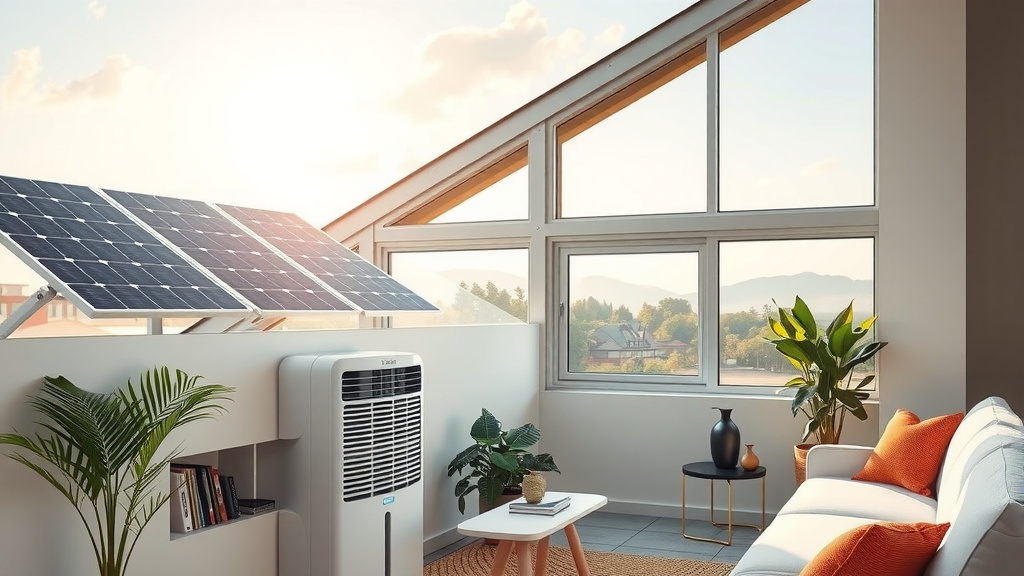
Yes, a solar panel can absolutely run a dehumidifier, but it requires careful planning to match your dehumidifier’s power needs with your solar setup’s output.
You’ll need an inverter to convert DC solar power to AC for most standard dehumidifiers, along with adequate battery storage for consistent operation.
Here’s a quick overview of what you’ll learn in this article:
- Solar power can indeed run a dehumidifier, but it’s not always a plug-and-play solution.
- Understanding your dehumidifier’s wattage is the first crucial step for system sizing.
- Battery storage is essential for powering your unit when the sun isn’t shining.
- The initial setup cost can be significant, but long-term energy savings are a big draw.
- Consider a hybrid approach for maximum reliability and efficiency in humidity control.
Can a Solar Panel Run a Dehumidifier?
Yes, solar panels can power a dehumidifier, provided your solar system is correctly sized and includes the necessary components. It’s not just a dream; it’s a practical option for energy independence.
Why Consider Solar for Your Dehumidifier?
You might be wondering, “Why bother with solar?” Well, imagine cutting down your electricity bill, especially if your dehumidifier runs constantly. Many homeowners seek to reduce their carbon footprint. Using solar means you are tapping into clean, renewable energy. Plus, for off-grid cabins or remote workshops, solar is often the only viable power source available.
We found that harnessing solar power gives you a sense of energy independence. You won’t be solely reliant on the utility grid. This can be especially appealing in areas prone to power outages or where electricity rates are high.
Understanding Your Dehumidifier’s Power Needs
Before diving into solar panels, you need to know what your dehumidifier actually consumes. Look for a label on your unit or check the owner’s manual. You’re searching for its wattage (W) or amperage (A) and voltage (V). Most standard residential dehumidifiers use between 300 to 700 watts when running.
Think of it like planning a road trip. You wouldn’t just guess how much fuel you need, would you? Similarly, accurately measuring your dehumidifier’s power needs is the first step. This prevents you from overspending or having an underpowered system.
Here’s a general idea:
| Dehumidifier Size | Typical Wattage Range |
|---|---|
| Small (30-pint) | 250 – 400 W |
| Medium (50-pint) | 400 – 600 W |
| Large (70-pint) | 500 – 750 W |
| Basement/Whole-Home | 600 – 1000+ W |
Remember, these are rough estimates. Always check your specific unit for precise power ratings.
The Core Components of a Solar Dehumidifier System
To make this work, you’ll need more than just solar panels. Think of it as a team working together to keep your space dry. Here are the key players:
- Solar Panels: These are the energy collectors, converting sunlight into DC (direct current) electricity.
- Charge Controller: This smart device protects your batteries from overcharging or discharging too deeply, ensuring their longevity.
- Battery Bank: Crucial for storing energy captured during sunny hours. It allows your dehumidifier to run at night or on cloudy days.
- Inverter: Your dehumidifier uses AC (alternating current) power. Solar panels produce DC. The inverter’s job is to convert DC power from your batteries into usable AC power.
Each component plays a vital role. Skimping on one could affect the entire system’s reliability. Many experts recommend quality components for peace of mind.
Calculating Your Solar Requirements: A Simple Guide
Ready to crunch some numbers? It’s simpler than it sounds. First, determine how many hours per day your dehumidifier runs. Let’s say it’s 10 hours and uses 500 watts. That’s 5000 watt-hours (or 5 kWh) per day.
Next, consider your available sunlight. If you get 5 “peak sun hours” per day, you’ll need a solar array that can generate 5000 Wh / 5 hours = 1000 watts. This helps you figure out the total wattage of solar panels you’ll need.
It’s always a good idea to add a buffer, perhaps 20-30%, for cloudy days or less-than-ideal panel angles. Many resources, like those from Energy.gov, advise oversizing slightly for consistency.
Sizing Your Solar Panels
Based on your calculations, you’ll know the total watts needed. If one solar panel is 300 watts, and you need 1000 watts, you’ll need about four 300-watt panels (4 x 300 = 1200 watts). This provides your necessary power with a bit extra.
Remember that panel efficiency varies, and real-world conditions differ from lab tests. Choosing panels from reputable brands often means better performance and durability, as research indicates higher quality panels perform consistently over time.
The Importance of Battery Storage
Imagine the sun goes down, or a storm rolls in. Without batteries, your solar-powered dehumidifier would stop working. Batteries are the heart of an off-grid system, providing power when the panels aren’t producing.
You’ll want enough battery capacity to run your dehumidifier for at least 24-48 hours without sun. This is measured in amp-hours (Ah) or kilowatt-hours (kWh). A common recommendation from industry professionals is to aim for at least two days of “autonomy” for critical appliances like dehumidifiers.
Choosing the Right Inverter
Your inverter must be able to handle the peak wattage of your dehumidifier, plus any other loads. If your dehumidifier surges to 800 watts when it starts, your inverter needs to accommodate that. A pure sine wave inverter is usually recommended for sensitive electronics like dehumidifiers.
A pure sine wave inverter delivers clean, stable power, similar to what you get from the grid. This helps protect your appliance and ensures it runs efficiently. We found that investing in a good inverter prevents issues down the line.
Factors Affecting Solar Performance
Many things influence how much power your solar panels generate. Obvious factors include sunlight intensity, which changes with time of day and season. Cloud cover and shade from trees or buildings significantly reduce output. Even the angle and orientation of your panels matter.
Dust and dirt accumulation on your panels can also diminish efficiency. Regular cleaning can help maintain peak performance. It’s a bit like caring for your car; a little maintenance goes a long way in ensuring optimal operation and longevity of your solar investment.
Pros and Cons of Solar-Powered Dehumidifiers
Let’s look at both sides of the coin when considering a solar dehumidifier setup:
The Upside
- Reduced Electricity Bills: Say goodbye to those rising energy costs for humidity control.
- Environmental Benefits: You’re using clean, renewable energy, lowering your carbon footprint.
- Energy Independence: Less reliance on the grid means more control over your power.
- Off-Grid Potential: Perfect for locations without traditional electricity access.
The Downside
- High Initial Cost: Solar panels, batteries, inverters – it all adds up.
- Weather Dependent: Performance drops on cloudy days or at night without sufficient battery storage.
- Space Requirements: You need enough roof or ground space for the panels.
- Maintenance: Panels need occasional cleaning, and batteries have a lifespan.
Practical Considerations for Installation
Thinking about putting this all together? Here are a few things to keep in mind:
First, safety is paramount. Working with electricity and on roofs can be dangerous. If you’re not experienced, hiring a certified solar installer is a very wise choice. They can ensure your system is compliant with local codes and installed correctly.
Consider the placement of your panels for maximum sun exposure. South-facing roofs (in the Northern Hemisphere) are generally ideal. Also, plan for securing your battery bank in a safe, well-ventilated area. Research consistently shows that professional installation prevents costly mistakes.
Is a Solar Dehumidifier System Worth the Investment?
The upfront cost for a solar dehumidifier system can feel substantial. However, think about the long-term savings on your electricity bill. For some, especially those in areas with high utility rates or seeking off-grid solutions, the investment pays off over time. You might even find local or federal incentives for solar installations.
It’s a long-term play, often yielding returns over several years. Many homeowners view it as an investment in both their property and a sustainable future, as research on solar adoption consistently points to long-term financial and environmental benefits.
Checking Off Your Solar Dehumidifier To-Do List
Before you commit, here’s a quick checklist:
- Determine your dehumidifier’s exact wattage.
- Estimate daily run time and total watt-hours needed.
- Assess your available sunlight and peak sun hours.
- Calculate required solar panel wattage.
- Figure out necessary battery capacity for autonomy.
- Select a suitable inverter (pure sine wave recommended).
- Research local solar incentives or rebates.
- Consider professional installation for safety and efficiency.
Alternatives or Hybrid Solutions
What if a full solar setup feels too big or expensive? You have options! Consider a hybrid system where solar panels supplement grid power. Your dehumidifier runs on solar when available, and seamlessly switches to grid power when needed.
Another option is smaller, portable solar generators that can power a dehumidifier for a few hours. These are less permanent but offer flexibility. Sometimes, a simpler approach focusing on passive humidity control methods alongside a grid-powered unit is best, especially if you just need occasional drying. It’s about finding the right balance for your needs.
Conclusion
Running a dehumidifier with solar panels is absolutely achievable and offers compelling benefits, especially for those seeking to reduce energy costs or live off-grid. While the initial investment and planning can seem daunting, understanding your power needs and selecting the right components are key steps to success. With careful calculation and thoughtful installation, you can effectively harness the sun’s power to keep your environment dry and comfortable. It’s an investment in a cleaner, more independent future, delivering consistent performance for a healthier living space.
FAQs About Solar-Powered Dehumidifiers
Can a small portable dehumidifier run on a basic solar generator?
Yes, many small portable dehumidifiers (under 300 watts) can run on a sufficiently powerful portable solar generator. You’ll need to check the generator’s output capacity against your dehumidifier’s wattage to ensure it can handle the load, especially during startup.
How much does it cost to set up a solar system for a dehumidifier?
The cost varies widely based on your dehumidifier’s power needs, battery capacity, and panel quality. A basic setup might start from a few hundred dollars for a small unit, but a robust system for a large dehumidifier with significant battery backup could range from $1,500 to $5,000 or more, not including installation.
Do solar panels work for dehumidifiers on cloudy days?
Solar panels still produce electricity on cloudy days, but at a significantly reduced rate. This is where your battery bank becomes crucial. It stores energy from sunny periods, allowing your dehumidifier to continue running even when direct sunlight isn’t available.
Can I use solar power to run a whole-house dehumidifier?
Yes, you can, but it requires a much larger and more powerful solar array and battery bank compared to a single portable unit. Whole-house dehumidifiers typically consume more electricity, meaning a more substantial investment in your solar infrastructure will be necessary.
What maintenance does a solar dehumidifier system require?
Regular maintenance includes keeping solar panels clean from dirt, dust, and debris to maximize efficiency. You should also periodically check battery terminals for corrosion and ensure your charge controller and inverter are functioning correctly. Batteries may need replacement after several years, depending on their type and usage.
