
Can Candles Dehumidify a Room?
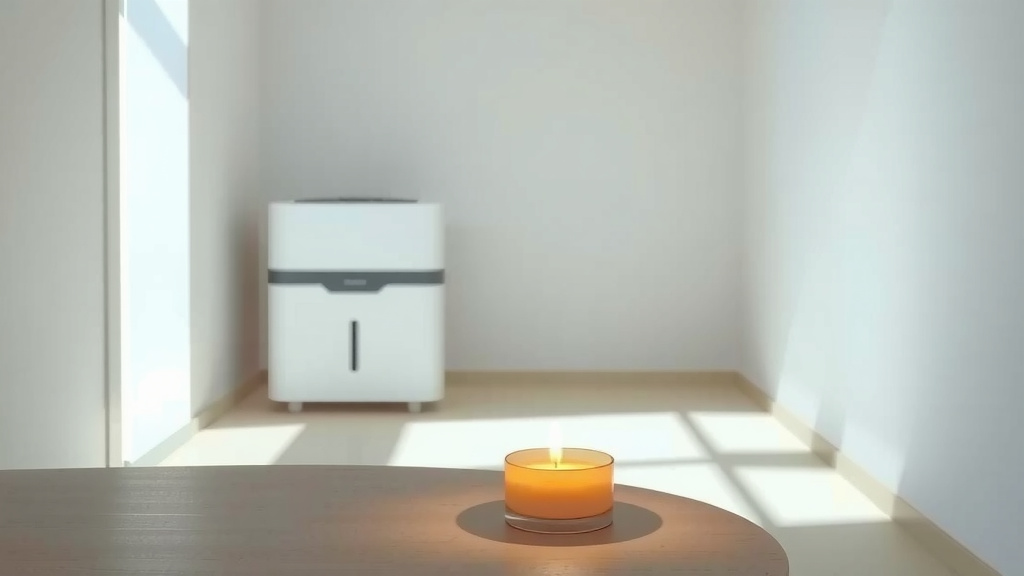
Burning candles does not dehumidify a room; in fact, they release water vapor into the air, potentially increasing humidity levels.
While candles create warmth, this warmth does not absorb moisture, making them an ineffective and potentially counterproductive method for dehumidification.
TL;DR
- Candles release water vapor, adding moisture to your air.
- They are not a solution for high humidity.
- Instead, they can worsen indoor air quality with soot and allergens.
- For real moisture control, consider a dehumidifier or better ventilation.
- Focus on fixing the root causes of excess humidity.
Can Candles Dehumidify a Room?
The straightforward answer is no, candles cannot dehumidify a room. They actually add moisture to the air.
The Science Behind Humidity and Candles
When you light a candle, it burns wax. This combustion process releases various byproducts. Among these are carbon dioxide and, significantly, water vapor.
Think about it like this: water is a common product of burning organic materials. So, instead of removing moisture, your lovely scented candle is actually contributing to it.
Humidity is essentially the amount of water vapor in the air. More water vapor means higher humidity. This is the opposite of what you want for dehumidification.
What Happens When You Burn Candles for Dehumidification?
If you’re trying to reduce moisture with candles, you might accidentally make things worse. Burning multiple candles, especially for extended periods, can notably increase the humidity in your space.
Beyond moisture, candles also release soot particles and volatile organic compounds (VOCs). These can impact your indoor air quality. Many experts say that poor indoor air quality contributes to respiratory issues (EPA).
You might notice black marks on walls or ceilings near frequently burned candles. That’s soot, not moisture evaporating!
A Quick Look: Candles vs. Real Dehumidifiers
Let’s compare these two directly to see the clear difference.
| Feature | Candles | Dehumidifiers |
|---|---|---|
| Moisture Removal | Adds moisture | Removes moisture |
| Air Quality | Releases soot, VOCs | Improves, reduces allergens |
| Safety | Fire hazard | Electrical, but generally safe |
| Effectiveness | None for dehumidifying | Highly effective |
Why Do People Think Candles Dehumidify?
It’s easy to see why this misconception might spread. Candles generate heat. Heat can make a room feel less damp, right? Not exactly.
While heat can help *evaporate* moisture from surfaces, it does not remove the water vapor from the air itself. In fact, by evaporating it, it often just transfers that moisture into the air.
Some people might also confuse the warmth with dryness. A warm room can *feel* less clammy than a cold, damp one. However, the actual moisture content remains or even increases.
What Are the Real Risks of High Humidity?
High humidity is more than just uncomfortable sticky air. It poses serious risks to your home and your health.
Excess moisture creates a perfect breeding ground for mold and mildew. These organisms can trigger allergies, asthma attacks, and other respiratory issues (CDC).
We found that prolonged high humidity can also damage your belongings. Wood furniture can warp, paint can peel, and electronics might suffer corrosion. Books and papers can also become moldy and ruined.
Signs Your Home Has Too Much Humidity
Are you wondering if your home is too humid? Look for these common indicators:
-
Condensation on windows or cold surfaces.
-
A persistent musty or damp smell, especially in basements.
-
Visible mold spots on walls, ceilings, or fabrics.
-
Peeling paint or wallpaper.
-
Sticky, uncomfortable feeling on your skin, even when cool.
-
Wood floors or furniture starting to warp or feel soft.
Effective Ways to Lower Humidity in Your Home
Since candles aren’t the answer, let’s talk about solutions that actually work. Protecting your home from excess moisture is key.
Invest in a Dehumidifier
This is by far the most effective method. A dehumidifier actively pulls moisture from the air, collecting it in a reservoir or draining it away. You can get models for specific rooms or whole-house systems.
Many experts recommend keeping indoor humidity between 30% and 50% for optimal comfort and health (American Society of Heating, Refrigerating and Air-Conditioning Engineers).
Improve Ventilation
Sometimes, simply moving air around can make a difference. Open windows and doors when the outdoor air is dryer than indoors. Use ceiling fans to circulate air and help moisture evaporate from surfaces.
This is especially helpful in areas like bathrooms or kitchens where moisture is frequently generated.
Fix Leaks Promptly
Any water leak, no matter how small, adds moisture to your home. Check pipes, roofs, and foundations regularly. Promptly repairing leaks stops a significant source of unwanted humidity.
A tiny drip can turn into a big moisture problem over time, leading to mold and structural damage.
Use Exhaust Fans
Your kitchen and bathrooms are major sources of humidity. Always use the exhaust fan when cooking or showering. We found that running the bathroom fan for 15-20 minutes after a shower helps clear steam effectively.
These fans vent moist air outdoors, preventing it from spreading through your home.
Natural Absorbents
For very small, localized issues, certain natural absorbents can help. Things like silica gel packets or bowls of rock salt can draw moisture from small, enclosed spaces like closets. However, they are not practical for an entire room.
Quick Tips for Managing Moisture
-
Don’t dry clothes indoors unless absolutely necessary, or use a vented dryer.
-
Keep houseplants to a minimum in high-humidity areas, as they release moisture.
-
Ensure gutters are clear and direct water away from your home’s foundation.
-
Use a hygrometer to monitor your home’s humidity levels accurately.
-
Consider sealing cracks and gaps in your home’s exterior.
Conclusion
While candles offer ambiance and delightful scents, they are not your allies in the fight against humidity. They actually contribute water vapor, making your moisture problems worse rather than better. Relying on candles for dehumidification is a misconception that could negatively impact your indoor air quality and the integrity of your home. For true moisture control, invest in proper ventilation, promptly fix leaks, and consider a dedicated dehumidifier. Your home and your health will thank you for choosing effective, science-backed solutions.
Can a small candle affect humidity levels?
Yes, even a small candle releases water vapor through combustion. While one candle might not drastically change the humidity of a large room, multiple candles or prolonged burning can certainly contribute to increased moisture and potentially worsen indoor air quality.
What is the ideal humidity level for a home?
Experts generally recommend maintaining indoor humidity levels between 30% and 50%. This range is comfortable for most people and helps to prevent mold growth, dust mites, and damage to your home’s structure and furnishings.
Do salt lamps reduce humidity?
Himalayan salt lamps are often marketed with claims of reducing humidity. While salt is hygroscopic and can absorb some moisture from the air, a typical salt lamp is far too small and inefficient to make any noticeable difference in a room’s humidity levels. Their effect is minimal at best.
Are there any natural ways to dehumidify a room?
While not as powerful as mechanical dehumidifiers, you can use natural methods like improving air circulation by opening windows, using exhaust fans, and fixing leaks. Some natural absorbents like charcoal or silica gel can help in very small, enclosed spaces, but they aren’t effective for whole rooms.
Why does my house feel damp even with a dehumidifier?
If your house still feels damp, check if your dehumidifier is correctly sized for your space and running effectively. Ensure all windows and doors are closed while it operates. Also, look for hidden moisture sources like leaky pipes, a damp basement, or poor outdoor drainage near your foundation that could be overwhelming the unit.
