
Can Charcoal Be Used as a Dehumidifier?
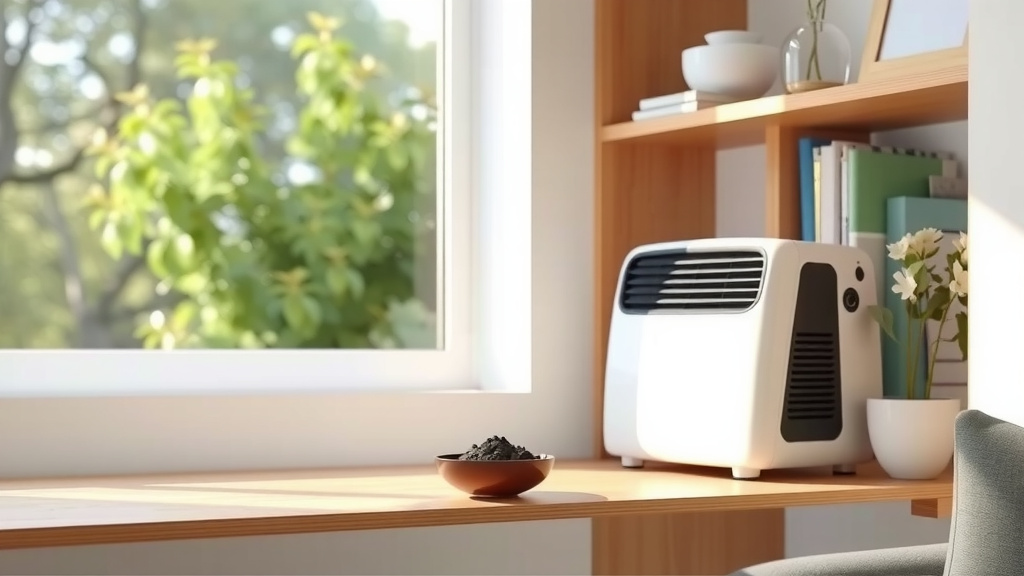
Yes, charcoal can be used as a dehumidifier, particularly activated charcoal, because it is a porous material that can absorb moisture from the air. However, its effectiveness is generally limited to very small, enclosed spaces, not entire rooms or homes.
While activated charcoal does possess moisture-absorbing properties, it acts as a passive adsorbent and isn’t a substitute for a dedicated dehumidifier for significant humidity problems.
- Charcoal, especially activated charcoal, can absorb some moisture from the air.
- It works best in tiny, sealed spaces like gym bags, small drawers, or shoe boxes.
- Do not expect it to make a big difference in a bathroom, basement, or living room.
- Charcoal is a low-cost, natural option for minor dampness, but it needs regular replacement.
- For real humidity control, you will need a proper dehumidifier.
Can Charcoal Be Used as a Dehumidifier?
Absolutely, charcoal can help reduce humidity in certain situations. It is a natural absorber, but it has specific limitations you should understand.
What is Activated Charcoal, Anyway?
When we talk about charcoal for dehumidifying, we usually mean activated charcoal. This isn’t just your barbecue briquette!
Activated charcoal is processed at high temperatures. This process creates millions of tiny pores on its surface. These pores are what make it so good at trapping molecules.
Think of it like a tiny, microscopic sponge. It has a vast surface area ready to grab onto things (Environmental Protection Agency).
How Does Charcoal Absorb Moisture?
Charcoal absorbs moisture through a process called adsorption. It’s not like a paper towel soaking up a spill.
Instead, water vapor molecules stick to the surface of the charcoal’s pores. They get trapped there, reducing the humidity in the surrounding air.
This physical binding is how it works its magic, quietly pulling dampness from the air.
Where Charcoal Shines: Small Spaces
Charcoal’s superpower lies in its ability to tackle humidity in very small, contained areas. It’s perfect for those little spots that feel a bit musty.
Are you wondering about those places? Let’s consider some common examples where it truly helps.
Practical Places to Use Charcoal
Here are some ideal spots where charcoal can be your humidity-fighting friend:
- Gym bags or shoe boxes: These often trap odors and dampness.
- Small drawers or wardrobes: Keep clothes feeling fresh and dry.
- Under sinks or pantries: Help prevent musty smells from forming.
- Car interiors: Combat dampness after a rainy day.
- Pet areas: Neutralize odors and control minor moisture.
We often find that these tiny spots are where charcoal truly makes a noticeable difference. It is a small solution for small problems.
The Big Question: Can It Dehumidify a Room?
This is where we need to be realistic. While charcoal does absorb moisture, it won’t dehumidify an entire room, let alone your whole home.
Imagine trying to mop up a flood with a single cotton ball. That’s a bit like expecting charcoal to handle a damp basement.
Its capacity is simply too limited for larger spaces or serious humidity problems (Scientific research suggests).
Charcoal vs. Mechanical Dehumidifiers
Let’s compare charcoal with the heavy hitters: mechanical dehumidifiers. There’s a clear difference in their abilities.
| Feature | Charcoal | Mechanical Dehumidifier |
|---|---|---|
| Moisture Absorption | Limited, passive adsorption | High capacity, active moisture removal |
| Area of Effect | Very small, enclosed spaces | Small to large rooms, basements, whole homes |
| Speed | Slow, gradual | Fast, measurable results |
| Cost | Low initial cost, needs regular replacement | Higher initial cost, lower ongoing cost per unit of moisture removed |
| Maintenance | Recharge or replace | Empty water tank, clean filter |
When to Consider a Real Dehumidifier
If you notice condensation on windows, a musty smell throughout a room, or mold growth, charcoal won’t cut it. These are signs of a larger humidity problem.
In such cases, many experts say that investing in a quality mechanical dehumidifier is the most effective solution (Mayo Clinic). It can actively pull gallons of water from the air, maintaining healthy humidity levels.
Getting the Most from Your Charcoal
If you are using charcoal for those small-space jobs, you want to ensure it works its best. There are a few simple tips to follow.
Choosing the Right Type
Always go for activated charcoal specifically for air purification or dehumidifying. Regular lump charcoal contains other compounds and isn’t designed for this task.
Look for bamboo charcoal bags too. These are essentially activated charcoal and work in a similar way.
How to Use It Effectively
Place charcoal in a breathable bag or container. Avoid sealing it in plastic, as it needs airflow to absorb moisture.
For best results, place it directly in the area you want to treat. The closer it is to the dampness, the better.
When to Replace or Recharge Charcoal
Charcoal has a finite capacity. Once its pores are full, it stops absorbing moisture. So, how do you know when it’s done?
Many experts suggest that you can “recharge” charcoal by placing it in direct sunlight for a few hours. The sun’s heat helps release the trapped moisture, freeing up the pores.
We found that you should recharge it every 1-3 months, depending on the humidity. After about a year of use and recharging, it’s usually time for new charcoal.
Is Charcoal a Safe Option?
Yes, charcoal is generally considered very safe for household use. It is natural, non-toxic, and doesn’t release chemicals into the air.
This makes it a popular choice for homes with children or pets. It’s a simple, eco-friendly way to tackle minor dampness.
Quick Checklist for Using Charcoal as a Dehumidifier:
- Use only activated charcoal or bamboo charcoal.
- Place in breathable bags or open containers.
- Target small, enclosed spaces.
- Recharge in sunlight every 1-3 months.
- Replace after approximately one year.
- Do not expect it to fix major humidity issues.
Conclusion
So, can charcoal be used as a dehumidifier? Yes, it absolutely can, but with a crucial caveat: its powers are best reserved for tiny spaces. It’s a wonderful, natural solution for those little damp spots and musty odors in your home.
Think of charcoal as a helpful assistant for minor humidity, not the main player for serious moisture control. For bigger challenges, you will want to call in the professionals (or at least a good mechanical dehumidifier!). Use it wisely, and enjoy a fresher, drier environment in your smallest nooks and crannies.
What is the difference between activated charcoal and regular charcoal?
Activated charcoal is specially processed to have millions of tiny pores, greatly increasing its surface area for absorption. Regular charcoal, like for grilling, lacks this activated structure and contains other compounds, making it ineffective for dehumidifying.
How long does activated charcoal last before needing replacement?
Activated charcoal can typically be recharged by placing it in direct sunlight for a few hours every 1-3 months. After about a year of regular recharging, its absorption capacity diminishes, and it’s best to replace it with fresh charcoal.
Can charcoal remove mold or prevent its growth?
Charcoal can help by reducing excess moisture, which is a key factor in mold growth. However, it cannot remove existing mold nor can it guarantee prevention if significant moisture problems persist. For mold, you need to address the root cause of the dampness and clean affected areas properly.
Are there any downsides to using charcoal as a dehumidifier?
The main downside is its limited capacity and slow absorption rate. It’s not effective for large areas and requires regular recharging or replacement. It’s also a passive solution, meaning it doesn’t actively circulate air or offer precise humidity control.
What are some other natural alternatives for dehumidifying small spaces?
Besides charcoal, other natural moisture absorbers include silica gel packets, which are great for electronics or small containers, and baking soda, which can absorb odors and some moisture in confined areas like refrigerators or small cupboards.
