
Can Dehumidifier Water Be Drank?
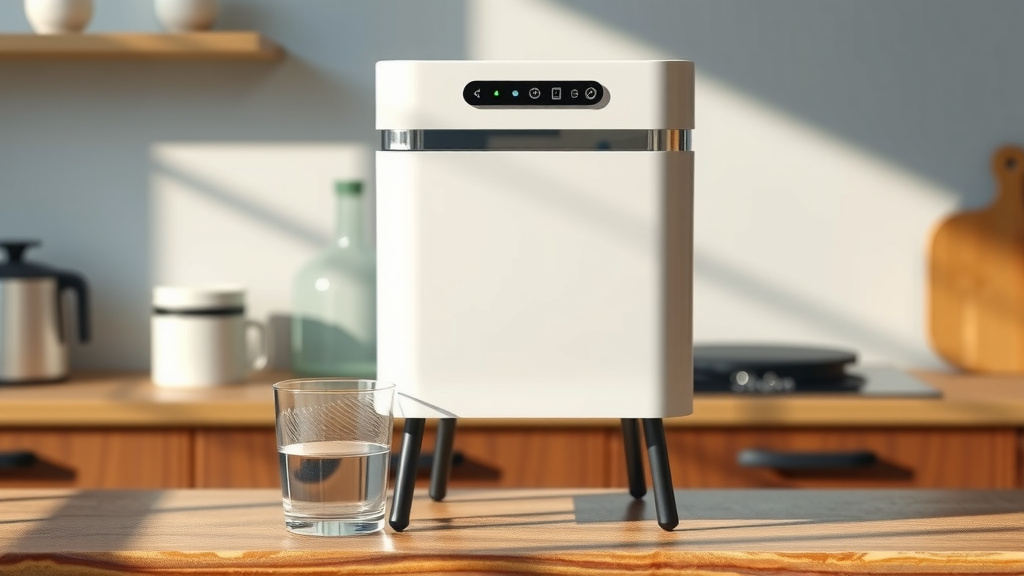
No, you absolutely should not drink water collected from a dehumidifier.
This water is considered non-potable and can contain a hazardous mix of bacteria, mold spores, and heavy metals, making it unsafe for human consumption.
- The water from your dehumidifier is not safe to drink.
- It collects contaminants from the air and internal parts.
- This includes bacteria, mold, dust, and potentially metals.
- Always dispose of dehumidifier water or use it for non-potable tasks.
- Your safety and health are far too important to risk.
Can Dehumidifier Water Be Drank?
In short, no, you cannot drink dehumidifier water. It collects various impurities during its process, making it unsafe for consumption.
Understanding How Dehumidifier Water is Created
A dehumidifier works by drawing humid air over a cold coil. This coil cools the air, causing the moisture to condense into liquid water.
Think of it like a cold glass on a hot day; condensation forms on the outside. Your dehumidifier does this on a larger scale inside its unit.
This collected water then drips into a collection bucket, which you later empty. It’s a simple, effective process to reduce indoor humidity.
Why Dehumidifier Water is Unsafe to Drink
While this water may look clear, it is far from pure. We found that the condensation process does not filter out harmful substances.
Many experts say that this water is contaminated from two main sources. These sources are the air itself and the internal parts of the dehumidifier (Mayo Clinic).
Your health is a serious matter, and consuming this water puts you at risk. It’s simply not worth the danger.
Hidden Contaminants in Dehumidifier Water
The air in your home holds more than just moisture. It also contains dust particles, mold spores, bacteria, and allergens.
When the air passes through your dehumidifier, these tiny particles can get trapped in the condensed water. They then accumulate in the collection bucket.
Furthermore, the internal components of the dehumidifier, like coils and plastic parts, can leach heavy metals or chemicals into the water over time.
Comparing Dehumidifier Water to Tap Water
Let’s look at the differences between dehumidifier water and regular tap water. This helps clarify why one is safe and the other is not.
Tap water in most developed countries goes through extensive filtration and disinfection processes. It must meet strict safety standards.
Dehumidifier water, by contrast, undergoes no such treatment. It’s simply collected condensation without purification.
| Feature | Dehumidifier Water | Treated Tap Water |
|---|---|---|
| Source | Air condensation | Municipal water supply (ground/surface water) |
| Filtration | None | Multi-stage filtration, chemical treatment |
| Sterilization | None | Chlorine, UV, or other disinfectants |
| Common Contaminants | Mold, bacteria, dust, heavy metals | Regulated minerals, trace disinfectants |
| Potability | Non-potable | Potable (safe to drink) |
Potential Health Risks of Drinking Dehumidifier Water
Drinking this water can lead to various health problems. These can range from mild to quite severe.
We found that bacteria and mold can cause gastrointestinal issues. Symptoms might include nausea, vomiting, or diarrhea (CDC).
Exposure to heavy metals, even in small amounts over time, can have long-term negative effects on your health (NIH).
Microbial Concerns
The stagnant water in the collection bucket is a perfect breeding ground for microbes. Bacteria and mold love damp, dark environments.
If you drink this water, you’re directly introducing these harmful organisms into your body. This can lead to infections and illness.
Keeping your dehumidifier clean helps reduce these risks, but it doesn’t make the water drinkable.
Chemical and Metal Leaching
Over time, the components of your dehumidifier can break down slightly. This releases tiny particles or chemicals into the collected water.
Copper from coils, plastics from the bucket, and other materials might leach into the water. These are not meant for human consumption.
Research often connects even small doses of heavy metals with health issues, especially with repeated exposure.
Safe and Practical Uses for Dehumidifier Water
While you can’t drink it, dehumidifier water isn’t entirely useless. It has several practical uses around your home.
Remember to always use it for non-potable purposes. Avoid any use that involves ingesting it or applying it to open wounds.
Here are some safe options for its reuse:
- Watering houseplants (check plant sensitivity).
- Flushing toilets (pour directly into the bowl).
- Cleaning floors or other surfaces.
- Filling your car’s windshield wiper fluid reservoir.
- Used in a steam iron (like distilled water).
Caring for Your Dehumidifier for Better Water Quality (for non-potable uses)
Even if you’re not drinking it, keeping your dehumidifier clean is smart. It helps your unit run better and keeps the air healthier.
Regular maintenance ensures the water you collect for other uses is as clean as possible. It also prevents odors and mold growth inside the unit.
Here’s a quick checklist for dehumidifier care:
- Empty the water bucket often.
- Clean the water bucket weekly with soap and water.
- Check and clean the air filter monthly.
- Wipe down coils if they appear dirty.
- Store the unit properly when not in use.
When to Never Use Dehumidifier Water
Some uses are always off-limits, no matter how clean your dehumidifier is. It’s crucial to understand these boundaries.
Do not use dehumidifier water for cooking, washing dishes, or any food preparation. This risks contaminating your food.
Never give it to pets or other animals to drink. Their bodies are just as vulnerable to contaminants as ours.
Avoid using it in humidifiers or nebulizers. These devices create fine mists that you would then inhale, sending contaminants directly into your lungs.
Conclusion
Dehumidifier water is a byproduct of removing excess moisture from your air. It might seem like a waste to pour it down the drain, but it’s a necessary step for safety.
Remember, this water is never safe for drinking due to potential contaminants like bacteria, mold, and heavy metals. Your health is too important to compromise.
However, you can certainly put this water to good use for non-potable tasks around the house, like watering plants or cleaning. Just be wise and avoid any use that involves consumption.
Can dehumidifier water be used for plants?
Yes, dehumidifier water can generally be used for watering many houseplants. Since it is demineralized, it’s similar to distilled water and can be good for plants sensitive to tap water chemicals like chlorine. Always observe your plants for any negative reactions.
Is dehumidifier water like distilled water?
Dehumidifier water is similar to distilled water in that both are demineralized. However, dehumidifier water is not sterile or purified; it contains airborne particles and potential metallic contaminants from the unit, which distilled water does not.
How long can you store dehumidifier water?
It is best not to store dehumidifier water for long periods. Even for non-potable uses, it can quickly develop mold and bacteria if left stagnant. Use it soon after collection, ideally within 24-48 hours, or dispose of it.
Can I use dehumidifier water in a fish tank?
No, you should not use dehumidifier water in a fish tank. While it lacks minerals, it can contain harmful bacteria, mold, or heavy metals that could be toxic to fish and disrupt the delicate balance of the tank ecosystem.
What should I do if I accidentally drank dehumidifier water?
If you accidentally drank a small amount of dehumidifier water, monitor yourself for symptoms like nausea, vomiting, or diarrhea. If you experience any symptoms, especially severe ones, or if you drank a significant amount, it is best to consult a medical professional (Cleveland Clinic).
