
Is a Desiccant Dehumidifier Better Than a Compressor Dehumidifier?
When deciding between a desiccant and a compressor dehumidifier, the desiccant dehumidifier is often better for cooler environments. Compressor models work best in warm conditions. This key difference impacts how efficiently they remove moisture from your air. Understanding this will help you pick the right one for your home’s comfort.
Both types of dehumidifiers aim to reduce humidity levels. However, they use very different methods. A desiccant unit uses moisture-absorbing beads. A compressor unit uses refrigerant coils. We found that this fundamental difference dictates their performance in varying temperatures and climates. Your home’s specific conditions are super important.
- Desiccant dehumidifiers excel in cool, damp spaces.
- Compressor dehumidifiers are best suited for warm, humid areas.
- Desiccant models are typically quieter and lighter.
- Compressor units are generally more energy-efficient in warm temps.
- Consider your climate and the specific room’s temperature.
Now, let’s dive into the specifics of each type. We’ll help you figure out which dehumidifier is the perfect fit for your needs.
Desiccant vs. Compressor Dehumidifiers: Which Is Right for Your Home?
Choosing the right dehumidifier can feel like a big decision. You want one that works well in your specific environment. We found that the biggest difference lies in how they handle temperature. This one factor dictates where each type truly shines. Let’s break down how they work and what that means for you.
Think of it like this: a desiccant dehumidifier is like a super-absorbent sponge for moisture, especially when it’s a bit chilly. A compressor dehumidifier is more like a refrigerator, chilling coils to grab water. We researched this, and this temperature sensitivity is key to understanding their performance.
How Desiccant Dehumidifiers Work
Desiccant dehumidifiers use a special material to soak up moisture from the air. This material is often in the form of beads or a wheel. It’s pretty clever and doesn’t rely on extreme cold.
The Magic of Desiccant Material
These dehumidifiers contain a rotor filled with a desiccant material, usually silica gel. As moist air passes through, the silica gel absorbs the water vapor. The rotor then spins into a heated section. This heat dries out the silica gel, releasing the moisture as water vapor. This vapor is then vented out, often through a hose or collected in a tank.
Performance in Cooler Temperatures
Where desiccant units really stand out is in cooler conditions. Many experts say they work best at temperatures below 65°F (18°C). Below this, compressor models start to struggle. Desiccant units maintain their effectiveness. This makes them ideal for basements, garages, or homes in colder climates during winter months. We found that their performance doesn’t drop off like compressor units do.
Advantages of Desiccant Units
- Quieter Operation: They generally have fewer moving parts than compressor units. This means less noise.
- Lighter Weight: Without the heavy compressor and refrigerant, they are typically more portable.
- Effective in Cold: Their biggest strength is consistent performance in low temperatures.
- No Refrigerants: This can be a plus for environmental concerns.
Potential Drawbacks of Desiccant Dehumidifiers
While great in cool temps, desiccant units do have a couple of downsides. They can use a bit more energy than compressor models in warmer conditions. This is because they need to heat the desiccant material. Also, the continuous venting of warm, moist air can slightly warm up the room. This might not be ideal if you’re already trying to keep a space cool.
How Compressor Dehumidifiers Work
Compressor dehumidifiers are the more traditional type. They work much like your refrigerator or air conditioner. They use a cooling process to extract moisture. Many U.S. households already have experience with this technology.
The Refrigerant Cycle Explained
These units have a compressor, a condenser, and an evaporator. Warm, humid air is drawn into the unit. It passes over cold evaporator coils. These coils are chilled by a refrigerant. As the air cools, the moisture in it condenses into water. This water drips into a collection tank or is drained away. The now drier air is then reheated slightly before being blown back into the room.
Ideal Operating Temperatures
Compressor dehumidifiers perform best in warmer environments. We found that they are most efficient when temperatures are above 65°F (18°C). In these conditions, they are very effective at removing a lot of moisture. They are the go-to choice for hot, humid attics or main living areas during summer.
Energy Efficiency in Warmth
In warmer temperatures, compressor dehumidifiers are generally more energy-efficient than desiccant models. They don’t need an extra heating element to dry their moisture-collecting component. This can save you money on your electricity bills during warmer months. Research by energy agencies often highlights this efficiency advantage in higher temps.
Limitations of Compressor Units
The main limitation is their performance in the cold. As temperatures drop below 65°F (18°C), their efficiency plummets. The moisture can freeze on the evaporator coils. This can damage the unit and reduce its effectiveness. Some models have an automatic defrost function, but it’s not a perfect solution for consistently cold environments. They also tend to be heavier and can be noisier than desiccant units.
Comparing Key Features: Desiccant vs. Compressor
Let’s put their main differences side-by-side. This comparison table can help you quickly see where each type excels. Understanding these points will guide your final decision.
| Feature | Desiccant Dehumidifier | Compressor Dehumidifier |
|---|---|---|
| Best Temperature Range | Cool (below 65°F / 18°C) | Warm (above 65°F / 18°C) |
| Moisture Removal Method | Moisture-absorbing material (silica gel) | Refrigerant coils (condensation) |
| Energy Efficiency | Less efficient in heat; more efficient in cold | More efficient in heat; less efficient in cold |
| Noise Level | Generally quieter | Can be noisier |
| Weight & Portability | Lighter, more portable | Heavier, less portable |
| Operating Principle | Absorption and regeneration (heat) | Refrigeration cycle (cooling) |
Which One is More Energy-Efficient?
The answer here really depends on where you plan to use it. Many sources, like the Department of Energy, suggest compressor units are more energy-efficient overall for typical home use in warmer climates. However, if your primary concern is a cool, damp basement, a desiccant unit will be far more efficient there. It won’t fight against the cold. It will just do its job. So, efficiency is relative to temperature.
Noise and Portability Factors
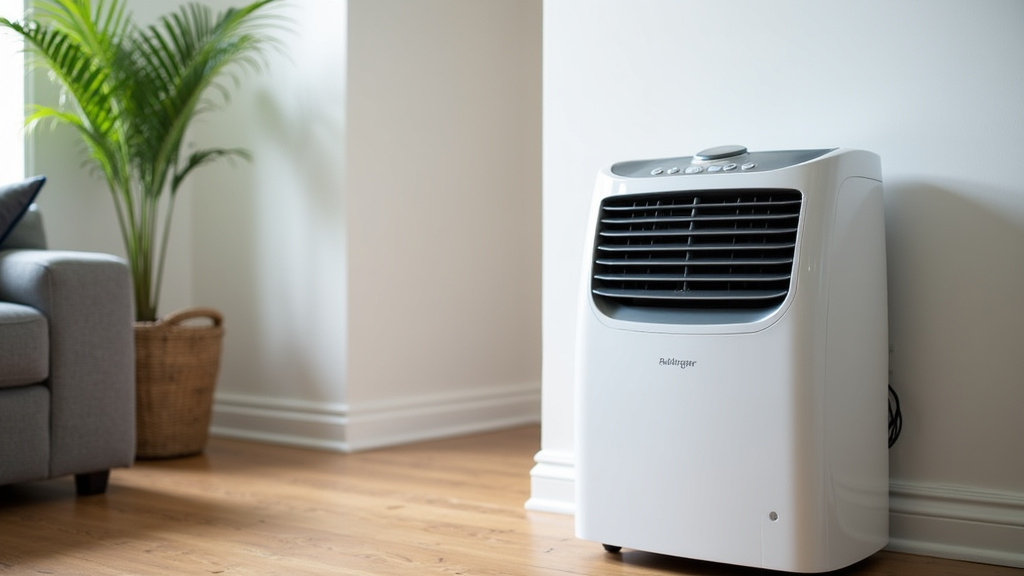
If you’re placing the dehumidifier in a living space, noise might be a big factor. Desiccant models tend to be quieter. They lack the bulky compressor. This makes them a good choice for bedrooms or home offices. They are also generally lighter. This makes them easier to move between rooms or upstairs if needed. Think about how often you’ll be moving it and where it will live.
When to Choose a Desiccant Dehumidifier
You should lean towards a desiccant model if your primary dehumidification needs are in cooler environments. We found that these are the perfect fit for spaces like:
- Unheated Basements: These areas are often cool and damp year-round.
- Garages and Sheds: Especially those not insulated or heated.
- Boathouses or Storage Units: Often cooler and prone to humidity.
- Homes in Colder Climates: For use during the cooler parts of the year.
- RV or Boat Interiors: Where space and weight might be concerns.
A desiccant unit will consistently pull moisture out of the air, even when the temperature drops. It won’t freeze up and stop working. This reliability in cooler temps is its superpower.
When to Choose a Compressor Dehumidifier
Compressor models are your best bet for warmer, more humid areas. They are the workhorses for typical residential use. Consider a compressor unit if you need to dehumidify:
- Main Living Areas: Your living room, bedroom, or kitchen, especially in summer.
- Attics: These spaces can get very hot and humid.
- Crawl Spaces (if warm): Ensure the crawl space doesn’t get too cold.
- Homes in Hot, Humid Climates: Year-round performance in these regions.
They are generally very effective at removing large amounts of water in comfortable room temperatures. They often have higher capacities for larger spaces.
Making Your Final Decision: A Checklist
To help you make the right choice, ask yourself these questions. Tick them off as you consider your needs. This simple checklist can clarify your priorities.
- What is the typical temperature of the room? (Cooler than 65°F or warmer?)
- How large is the space you need to dehumidify? (Larger spaces might need higher capacity.)
- Is noise a major concern? (Are you placing it near a bedroom or workspace?)
- Will you need to move the unit often? (Portability might be important.)
- What is your budget for the unit and ongoing energy costs?
- Do you have a way to drain the water? (Hose connection vs. manual tank emptying.)
By answering these, you’ll have a much clearer picture of which type of dehumidifier will serve you best. It’s all about matching the technology to your home’s specific environment. We found that focusing on temperature is usually the most direct path to the right answer.
Conclusion
Choosing between a desiccant and a compressor dehumidifier really comes down to your environment. We found that desiccant units are your best bet for cooler spaces like unheated basements or garages. They perform consistently when the temperature drops. For warmer areas, like your main living spaces during summer, a compressor model is typically more energy-efficient and effective. Consider the typical temperature of the room where you’ll use it most. Then, make your selection based on that key factor. You’ve got this!
Frequently Asked Questions
Can I use a compressor dehumidifier in my cool basement?
It’s generally not recommended. Compressor dehumidifiers lose efficiency significantly in temperatures below 65°F (18°C). The moisture can even freeze on the coils, potentially damaging the unit. For cool basements, a desiccant model is a much better choice.
Are desiccant dehumidifiers safe for my bedroom?
Yes, desiccant dehumidifiers are often a great choice for bedrooms. We found they are typically quieter and lighter than compressor models. This makes them less disruptive and easier to place where you need them most.
Which type uses less electricity?
It depends on the temperature. Compressor dehumidifiers are usually more energy-efficient in warm conditions. Desiccant dehumidifiers are more efficient in cool conditions, as they don’t struggle with low temperatures.
Can a desiccant dehumidifier make my room warmer?
Yes, desiccant units can slightly warm the air as they operate. This is because they use heat to regenerate the desiccant material. It’s usually a minor effect, but it’s something to consider if your goal is to keep a room very cool.
How often do I need to empty the water tank?
This depends on the unit’s capacity and how humid your environment is. Larger capacity units and those in very humid areas will need more frequent emptying. Both desiccant and compressor models collect water in a tank or can be set up for continuous drainage via a hose.
