
Can Dehumidifiers Be Recycled?
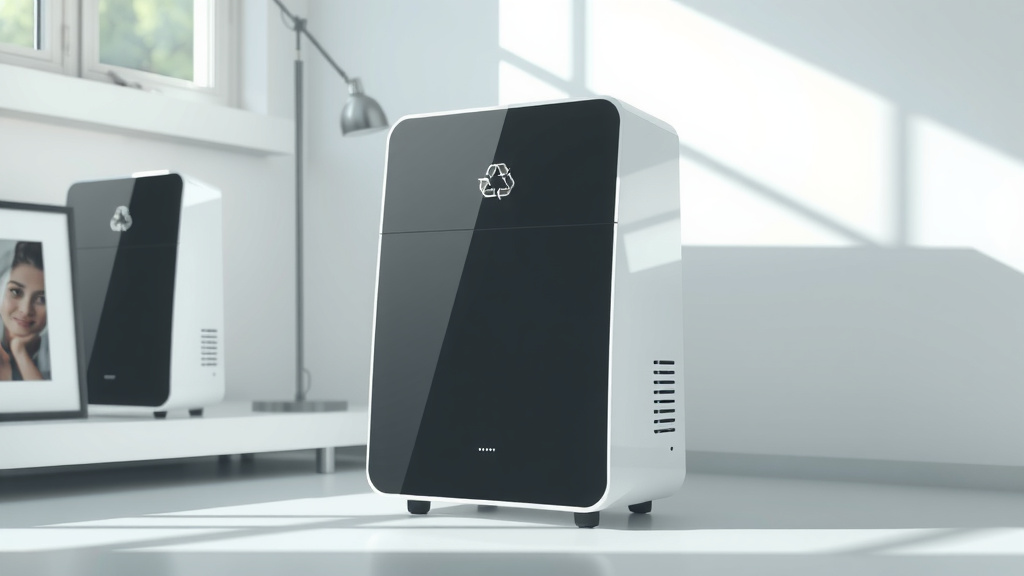
Yes, dehumidifiers can often be recycled, but it truly depends on your local regulations and the appliance’s specific components.
You should never dispose of a dehumidifier in your regular household trash because it contains refrigerants and electronic waste that need special processing.
- Dehumidifiers require special recycling due to hazardous refrigerants and electronic parts.
- Always check with your local waste management services for specific drop-off locations or programs.
- Some retailers offer take-back programs when you purchase a new appliance.
- Never dismantle a dehumidifier yourself; professionals must handle the refrigerants.
- Proper recycling protects the environment from harmful chemicals and conserves resources.
So, you’ve noticed that musty smell is creeping back into your basement, or maybe your old dehumidifier just isn’t pulling moisture like it used to. It’s time for an upgrade or perhaps just to clear out the old one. But what do you do with it then?
You can’t just toss it on the curb with your regular trash, can you? Absolutely not! That’s actually a common question we hear. Thinking about how to responsibly get rid of your old dehumidifier is a smart and important step.
Can Dehumidifiers Be Recycled?
Yes, many parts of a dehumidifier are recyclable, but it requires special handling. You cannot just toss it in your curbside bin.
These devices contain special components that need professional attention. Ignoring this can be harmful to our planet. We will guide you through the proper steps for disposal.
Why Can’t I Just Throw It Out?
It’s a fair question! You might think it’s just another household appliance. However, dehumidifiers are not like old toasters or blenders.
They contain refrigerants, similar to refrigerators and air conditioners. These chemicals, if released, can significantly harm the atmosphere (Environmental Protection Agency).
Also, like many modern electronics, they contain various metals and plastics. These are valuable resources that can be reused rather than ending up in a landfill.
The Hidden Dangers: Refrigerants and E-Waste
Think of your dehumidifier as a small, specialized refrigerator. It uses a chemical coolant to pull moisture from the air.
This coolant, or refrigerant, often includes substances like chlorofluorocarbons (CFCs) or hydrofluorocarbons (HFCs). Releasing these into the air contributes to ozone depletion and climate change.
Beyond refrigerants, a dehumidifier is also electronic waste, or e-waste. This means it has circuit boards, wires, and other components. These parts contain metals that could be toxic if improperly disposed of, such as lead or mercury (National Institutes of Health).
What Happens if I Don’t Recycle it Right?
Improper disposal is a real problem. If you simply throw it in the trash, it often ends up in a landfill. There, the refrigerant can leak out.
This release harms the environment and poses risks to public health. Moreover, valuable materials are lost forever. We certainly want to avoid that outcome.
Your First Step: Check Local Regulations
Recycling dehumidifiers isn’t a one-size-fits-all situation. The rules vary quite a bit from one place to another.
Your absolute best first move is to contact your local waste management department. They can tell you exactly what services are available in your area.
You might find dedicated appliance recycling programs. Many municipalities offer special drop-off sites or even pick-up services for large appliances (U.S. EPA).
Finding a Recycling Program Near You
Okay, so you know you need to recycle it properly. But where do you actually take it?
There are a few common places we found where you might be able to recycle your old dehumidifier:
- Municipal Drop-Off Centers: Many cities and counties have specific centers for hazardous waste or large appliance recycling.
- Appliance Retailers: Some stores, especially those selling new dehumidifiers, offer take-back programs for old units. Ask them when you buy a replacement.
- Scrap Metal Yards: A few scrap yards might accept them, but ensure they are equipped to handle refrigerants safely.
- Hazardous Waste Events: Keep an eye out for special collection events in your community. These are often great opportunities for e-waste.
Retailer Take-Back Programs: A Convenient Option
Are you buying a new dehumidifier? This is often the easiest path for disposal. Many major retailers have programs.
When they deliver your new unit, they might haul away the old one for a small fee, or even for free. Always ask about this service when you make your purchase.
It’s a convenient way to ensure your old appliance is handled correctly, saving you a trip.
Preparing Your Dehumidifier for Recycling
Before you take your dehumidifier anywhere, there are a few simple things you need to do:
Simple Steps Before You Go
- Unplug It: This sounds obvious, but make sure it’s completely disconnected from power.
- Empty the Water Reservoir: Drain all the water from the bucket or tank. You don’t want water sloshing around.
- Clean It: Give the exterior a quick wipe down. It helps the recycling center.
- Remove Filters: Some places might ask you to remove and dispose of the air filter separately.
- Secure Cords: Bundle the power cord to prevent tripping hazards.
What About Repair? Is That an Option?
Before you jump to recycling, consider if your dehumidifier can be repaired. Sometimes a simple fix can extend its life.
Check the warranty first. If it’s still under warranty, contact the manufacturer. For older units, a local appliance repair shop might be able to help.
Repairing reduces waste and saves money, so it’s always worth investigating. We found that extending appliance life is a growing environmental trend (U.S. Department of Energy).
Understanding Recycling Costs
Sometimes, recycling a dehumidifier comes with a small fee. This fee covers the cost of safely removing and processing the refrigerants.
It also covers the labor for dismantling the unit and separating materials. Think of it as a small investment in protecting our environment.
The cost is often minimal compared to the environmental impact of improper disposal. Always ask about any fees upfront when you inquire about recycling.
Comparing Disposal Options
Let’s look at your choices at a glance. Knowing your options helps you make the best decision for your old unit:
| Disposal Option | Pros | Cons | Typical Cost |
|---|---|---|---|
| Municipal Recycling Center | Safe, environmentally responsible. | Requires transport, may have fees. | Free to low fee (often $0-$25) |
| Retailer Take-Back Program | Convenient, often combined with new purchase. | Only available with new purchase, possible fee. | Low fee (often $10-$30) |
| Hazardous Waste Event | Usually free, handles various hazardous items. | Infrequent, specific dates/locations. | Often free |
| Scrap Metal Yard | Recycles metals, sometimes pays for scrap. | Must confirm they handle refrigerants correctly. | Varies, potentially a small payment to you |
Donating Your Old Dehumidifier?
What if your dehumidifier still works perfectly? Could someone else use it?
Many charities, community centers, or even thrift stores might accept working appliances. This gives your dehumidifier a second life.
It’s a wonderful way to help someone in need and reduce waste. Just make sure it’s in good, clean working condition before donating.
Conclusion
Recycling your old dehumidifier is more than just decluttering; it’s a responsible environmental act. You are preventing harmful chemicals from entering our atmosphere.
You’re also helping to recover valuable materials that can be repurposed. It might take a little extra effort compared to tossing it in the trash.
But that effort makes a significant difference. Always remember to check local regulations and prepare your unit correctly. Thank you for doing your part!
Can I put my dehumidifier in bulk trash?
No, you generally cannot place a dehumidifier in bulk trash. These units contain hazardous refrigerants and electronic components that require special handling and cannot be processed in standard landfills. Always check with your local waste management services for proper disposal instructions.
Are there any financial incentives for recycling dehumidifiers?
Some utility companies or municipalities offer rebates or incentives for recycling old, energy-inefficient appliances, including dehumidifiers. These programs aim to encourage energy conservation. It’s a good idea to check your local utility provider’s website or contact them directly to see if such programs are available in your area.
How do I know if my dehumidifier uses a harmful refrigerant?
Most modern dehumidifiers use refrigerants like R-134a or R-410A, which are less harmful than older CFCs but still potent greenhouse gases. You can usually find the type of refrigerant listed on a label or sticker on the back or side of your unit. Regardless of the type, all refrigerants should be handled by certified professionals during the recycling process to prevent release into the atmosphere.
Can I sell my old dehumidifier for parts?
While technically possible, selling a dehumidifier for parts is not usually recommended for individuals due to the risks associated with handling refrigerants. Dismantling the unit can release these harmful chemicals. It’s safer and more environmentally sound to take it to a certified recycling center or a professional who can safely reclaim the refrigerants and components.
What should I do if my city doesn’t have a dehumidifier recycling program?
If your city doesn’t have a specific program, explore options like appliance retailers with take-back programs, hazardous waste collection events, or specialized e-waste recyclers in nearby communities. You can also contact your state’s environmental protection agency for guidance on safe disposal options in your region. Never resort to improper disposal methods.
