
Can You Use a Dehumidifier in a Gun Safe?
Yes, you absolutely can use a dehumidifier in a gun safe. In fact, it’s one of the best ways to protect your firearms from rust and moisture damage. Using a dehumidifier helps maintain a dry environment, which is essential for long-term gun storage.
Keeping your guns safe from humidity is a top concern for many owners. Moisture can lead to corrosion, degrading the metal parts of your prized possessions. A dehumidifier works to actively remove excess moisture, preventing these damaging effects and keeping your firearms in top condition for years to come.
- Yes, dehumidifiers are safe for gun safes.
- They prevent rust and moisture damage to firearms.
- Maintaining a dry environment is key to gun preservation.
- Choose the right type for your safe’s size.
Let’s walk through exactly why a dehumidifier is a smart addition to your gun safe and what to look for when picking one out.
“`htmlUsing a Dehumidifier in Your Gun Safe: A Smart Move
So, you’re wondering if a dehumidifier is a good idea for your gun safe. The short answer is a resounding yes! It’s like giving your firearms their own personal climate-controlled room. We found that many gun owners overlook this simple step, and it often leads to unwanted problems down the road.
Think of your gun safe as a small, enclosed space. It can trap moisture, especially if you live in a humid climate or bring your guns out into damp air. This trapped moisture is the perfect recipe for rust. That’s where a dehumidifier swoops in to save the day.
Why Moisture is the Enemy of Your Firearms
Let’s talk about why humidity is your guns’ worst enemy. Moisture, even in small amounts, can slowly but surely corrode the metal parts of your firearms. This process is called oxidation, and it’s essentially rust.
Rust isn’t just ugly; it can also damage the integrity of your gun. It weakens the metal over time. It can also affect how your firearm functions. Imagine your favorite hunting rifle seizing up because of rust. That’s a problem you want to avoid!
The Science of Rust and Guns
Rust forms when iron (or steel, which is mostly iron) is exposed to oxygen and moisture. Your guns are made of steel, so they’re naturally susceptible. The higher the humidity, the faster this process can happen. We’ve found that even seemingly dry air can hold enough moisture to cause trouble over time.
Even if you live in a dry region, temperature changes can cause condensation. When warm, moist air hits a cooler metal surface, water droplets form. This is condensation, and it’s a sneaky way rust can start. It’s why controlling the internal environment of your safe is so important.
How Dehumidifiers Keep Your Guns Safe
A dehumidifier works by actively removing moisture from the air inside your gun safe. It creates a dry environment, which stops rust from forming in the first place. It’s a proactive defense against the damaging effects of humidity.
Types of Dehumidifiers for Gun Safes
You have a few main options when it comes to dehumidifiers for gun safes. We’ll break down the most common types so you can pick the best one for your needs.
Electric Dehumidifiers
These are often the most effective for larger safes or for those who want continuous protection. Electric dehumidifiers typically plug into a power outlet. They use a desiccant material or a cooling element to absorb moisture. Some will collect the water in a small tank, while others can be drained continuously.
We found that for safes where you can easily run a cord, electric models offer consistent performance. They don’t need frequent recharging or replacement. This makes them a low-maintenance choice for long-term gun storage.
Desiccant Dehumidifiers (Rechargeable)
These units use silica gel beads or other moisture-absorbing materials. You place them in your safe, and they soak up the humidity. When the beads change color (indicating they are saturated), you simply plug the unit in to “recharge” them. They release the absorbed moisture and are ready to go again.
Many gun owners appreciate these because they don’t require a power outlet inside the safe. They are also a great option for smaller safes or for those who prefer a cord-free solution. We found that their effectiveness can depend on the size of the safe and how often it’s opened.
Disposable Desiccant Packs
These are small, often fabric pouches filled with moisture-absorbing crystals. You toss them into your safe, and they do their job. Once they’re full, you have to throw them away and replace them with new ones. They are generally the least expensive upfront option.
While easy to use, we found that these are best suited for very small safes or as a supplemental measure. They need to be replaced regularly, which can add up over time. They are less efficient than rechargeable or electric options for consistent humidity control.
Choosing the Right Dehumidifier for Your Safe Size
Selecting the correct size dehumidifier is critical. An undersized unit won’t be able to keep up with the moisture. An oversized unit might be overkill and could potentially make the air too dry.
Here’s a general guide:
- Small Safes (under 5 cubic feet): Disposable packs or small rechargeable desiccant units are usually sufficient.
- Medium Safes (5-20 cubic feet): A mid-size rechargeable desiccant dehumidifier or a small electric rod is often a good fit.
- Large Safes (over 20 cubic feet): You’ll likely need a larger electric dehumidifier or multiple smaller units to effectively control humidity.
Many manufacturers provide recommendations based on safe volume. Always check these guidelines before you buy. We found that erring slightly on the side of a more powerful unit is often better than having one that’s too weak.
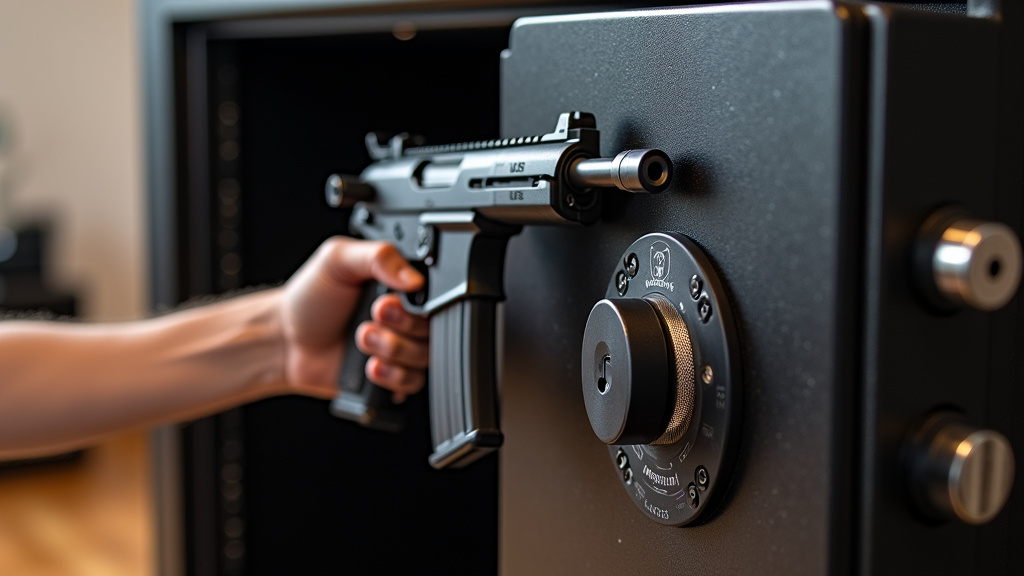
Placement Matters: Where to Put Your Dehumidifier
Where you position your dehumidifier inside the safe can affect its performance. The goal is to allow air to circulate freely around the unit.
Optimizing Airflow for Better Performance
Avoid placing the dehumidifier directly against the back wall or crammed between firearms. If it’s an electric rod type, position it so air can flow around it. If it’s a desiccant box, give it some breathing room.
We’ve seen situations where a dehumidifier was hidden away, making it less effective. Consider placing it on the floor of the safe or on a shelf where it has open space. This allows the unit to do its job efficiently across the entire interior.
Beyond the Dehumidifier: Other Moisture Control Tips
While a dehumidifier is a fantastic tool, it works best as part of a good gun care routine. There are other steps you can take to keep your firearms in prime condition.
Regularly Inspect Your Firearms
We recommend taking your guns out of the safe periodically to inspect them. Look for any signs of rust or moisture. This is also a good time to clean and lubricate your firearms properly.
Consider Your Safe’s Environment
Where is your gun safe located? If it’s in a basement or garage, it’s likely exposed to higher ambient humidity. You might need a more robust dehumidification solution in such locations. Keeping your safe in a climate-controlled part of your home can make a big difference.
The Importance of Air Circulation
Leaving the safe door open for a short while periodically can help air out any trapped moisture. However, do this cautiously, especially if your home is very humid. We found that short, controlled airing is generally better than leaving it open for extended periods.
Frequently Asked Questions About Dehumidifiers in Gun Safes
Let’s clear up some common questions we hear about using dehumidifiers in gun safes. Many owners worry about potential downsides.
Can a dehumidifier damage my guns?
No, a properly sized and functioning dehumidifier will not damage your guns. In fact, it protects them. The key is to maintain a consistent, dry environment. You don’t want the air to become *too* dry, which can potentially dry out wooden stocks, but this is rare with standard gun safe dehumidifiers.
How often should I replace disposable dehumidifiers?
This depends on the product and the humidity level. Many disposable packs will last 1-3 months. Check the indicator on the packaging; they often change color when they’re saturated and need replacing. We found that in very humid areas, you might need to swap them out more often.
Can I use a dehumidifier and desiccant packs together?
Yes, you can. For larger safes or extremely humid conditions, using multiple methods can provide extra protection. A small electric dehumidifier along with a couple of desiccant packs can ensure maximum dryness. It’s an extra layer of security against moisture.
What is the ideal humidity level for a gun safe?
Most experts recommend keeping the humidity level inside a gun safe between 40% and 55%. Below 40% is generally fine, and above 55% increases the risk of rust. Many electronic dehumidifiers come with built-in hygrometers to monitor this.
Here’s a quick checklist to ensure your dehumidifier is working effectively:
- Choose the right size for your gun safe.
- Position it for optimal airflow within the safe.
- Monitor its performance regularly.
- Recharge or replace desiccant units as needed.
- Inspect your firearms for any signs of moisture.
- Consider the ambient humidity where your safe is located.
Conclusion
You’ve learned that using a dehumidifier in your gun safe is a smart and effective way to protect your firearms. It actively combats moisture, preventing the rust and corrosion that can damage your guns over time. Whether you choose an electric model, a rechargeable desiccant unit, or even disposable packs for smaller safes, the key is maintaining the right humidity level.
Take the next step today: assess your safe’s size and humidity levels, then select the best dehumidifier for your needs. Your firearms will thank you for it by staying in pristine condition for years to come.
Frequently Asked Questions
How much does a gun safe dehumidifier cost?
The cost varies widely depending on the type. Disposable packs are the cheapest upfront, often under $20. Rechargeable desiccant units typically range from $25 to $75. Electric dehumidifiers for gun safes can cost $30 to $100 or more, depending on their size and features.
Can I leave my gun safe plugged in all the time?
Yes, if you’re using an electric dehumidifier designed for continuous operation. These are built for safety and efficiency when plugged in constantly. Just ensure the cord is routed safely and doesn’t obstruct the safe door. Yes, if you’re using an electric dehumidifier designed for continuous operation, as this guide explains.
Will a dehumidifier dry out wooden gun stocks?
It’s highly unlikely with standard gun safe dehumidifiers. These units are designed to maintain a specific, safe humidity range. Over-drying is rare unless the safe is extremely small and the dehumidifier is drastically oversized, which is usually avoided.
How do I know if my gun safe is too humid?
You’ll know if you see condensation on your firearms or the inside of the safe, or if you notice the beginnings of rust. The best way is to use a hygrometer inside the safe, which measures humidity. Aim for a reading between 40% and 55%.
Should I use a dehumidifier in a climate-controlled home?
Yes, even in a climate-controlled home, humidity can fluctuate. Basements, garages, and even rooms with less air circulation can trap moisture. A dehumidifier provides consistent protection, ensuring your firearms remain safe from rust no matter the external conditions.
