
Can You Use a Dehumidifier in a Finished Basement with Carpet?
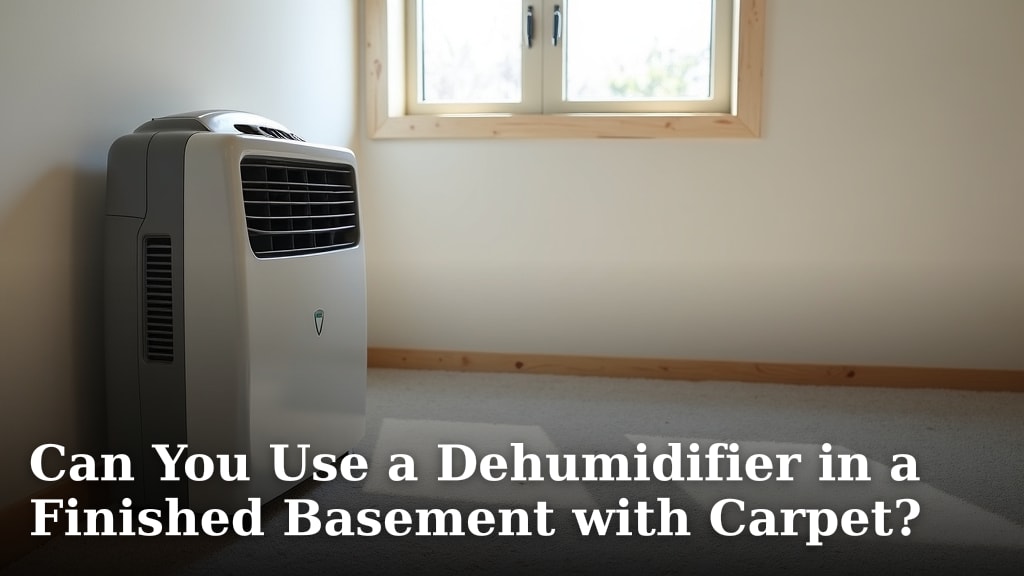
Yes, you can absolutely use a dehumidifier in a finished basement with carpet. In fact, it’s often a smart move to prevent potential problems like mold and mildew growth. A dehumidifier helps control moisture levels, keeping your carpet and the space under it dry and healthy.
Finished basements, especially those with carpet, can become prime spots for excess humidity. This is because basements are naturally cooler and can trap moisture. Using a dehumidifier is a key strategy for maintaining a comfortable environment and protecting your home’s structural integrity from moisture damage.
- Dehumidifiers are great for finished basements with carpet.
- They help prevent mold, mildew, and musty odors.
- Basements are prone to higher humidity levels.
- Regular use keeps your carpet and home healthier.
So, if you’re wondering about keeping that basement space fresh and dry, let’s dive into the details of using a dehumidifier with your carpeted floor.
Using a Dehumidifier in Your Finished Basement with Carpet
Yes, you can use a dehumidifier in a finished basement with carpet. In fact, it’s often a smart move to prevent potential problems like mold and mildew growth. A dehumidifier helps control moisture levels, keeping your carpet and the space under it dry and healthy.
Finished basements, especially those with carpet, can become prime spots for excess humidity. This is because basements are naturally cooler and can trap moisture. Using a dehumidifier is a key strategy for maintaining a comfortable environment and protecting your home’s structural integrity from moisture damage.
Why Basements Get Humid (And Why Carpet Makes It Worse)
Basements are underground. This means they are naturally cooler than the rest of your house. Cooler air holds less moisture. When warm, humid air from upstairs drifts down, it cools off. As it cools, it releases that moisture. This often shows up as condensation on cold surfaces like pipes or walls.
Now, add carpet to the mix. Carpet is like a sponge for moisture. It can absorb water from the air. This creates a cozy environment for mold and mildew. You might notice a musty smell. This smell is often the first sign of mold or mildew activity. It can also mean the carpet backing or the subfloor underneath is getting damp.
The Science Behind Basement Humidity
Many factors contribute to basement humidity. One is groundwater seepage. Even small cracks in foundation walls can let moisture in. Another is the natural diffusion of water vapor through concrete walls. Think of concrete as a slightly porous material. It can “breathe” moisture from the soil outside.
Your home’s plumbing also plays a role. Leaky pipes or condensation on cold water lines can add moisture to the air. Clothes dryers that aren’t properly vented outside can exhaust moist air into the basement. Even showering upstairs can send humid air down into the basement space.
Carpet: A Moisture Magnet
Carpet is great for making a basement feel cozy and finished. However, it has a downside. It can trap moisture. This is especially true for the carpet padding underneath. Once damp, it takes a long time for carpet to dry out completely. This sustained dampness is exactly what mold and mildew love.
Research has shown that mold can start growing in as little as 24 to 48 hours. It needs moisture, a food source (like carpet fibers), and the right temperature. Basements often provide all three. This is why controlling humidity is so important when you have carpet in your basement.
How a Dehumidifier Helps Your Carpeted Basement
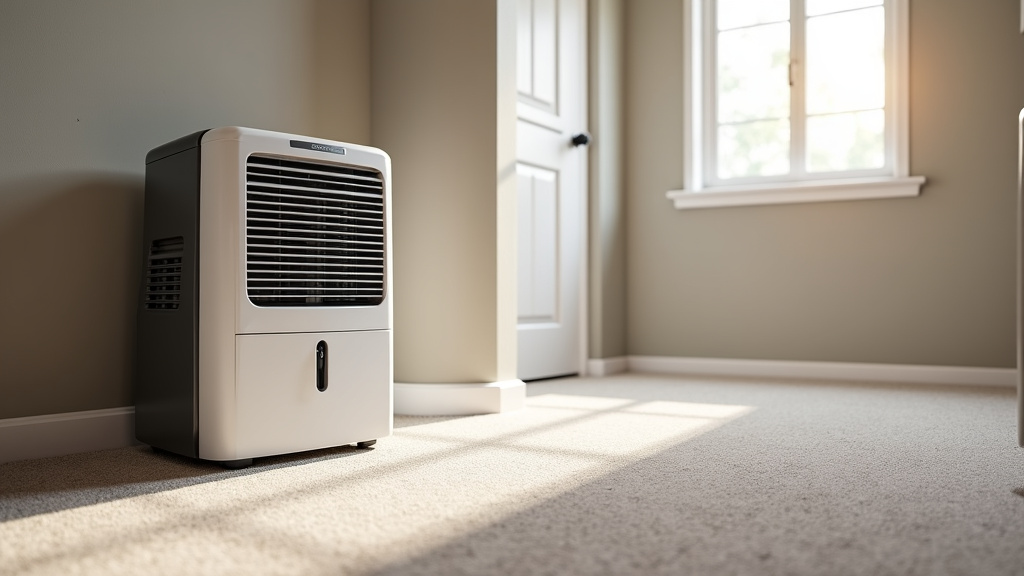
A dehumidifier works by pulling moisture out of the air. It’s like a dedicated air conditioner for humidity. You set a desired humidity level, and the machine works to maintain it. This is incredibly beneficial for a finished basement with carpet.
By reducing the moisture in the air, you make it harder for mold and mildew to grow. This protects your carpet and the underlying structures. It also helps eliminate that unpleasant musty odor. You’ll breathe easier knowing your basement is healthier. By reducing the moisture in the air, you make it harder for mold and mildew to grow.
Maintaining the Ideal Humidity Level
What’s the magic number for humidity? Most experts recommend keeping indoor humidity levels between 30% and 50%. The Environmental Protection Agency (EPA) suggests aiming for below 60%. For basements, especially carpeted ones, aiming for the lower end of this range is often best.
So, a dehumidifier allows you to actively control this. You can set it to maintain, say, 45% humidity. This creates an environment that’s comfortable for you and inhospitable to mold. It’s a simple, effective way to protect your investment in your finished basement.
Protecting Your Carpet and Subfloor
Think of your dehumidifier as a shield for your carpet. It works tirelessly to keep the air dry. This means less moisture is absorbed by the carpet fibers. It also means less moisture can seep down to the carpet backing and the subfloor. This is critical for preventing long-term damage.
Sustained dampness can lead to rot in wooden subfloors. It can also damage drywall or even compromise the structural integrity of your basement walls. A dehumidifier helps prevent these expensive repairs down the line. It keeps the air circulating and dry, which is key.
Choosing the Right Dehumidifier for Your Basement
Not all dehumidifiers are created equal. For a finished basement with carpet, you’ll want to pick one that’s sized correctly. You also want features that make life easier.
Sizing Your Dehumidifier: Capacity Matters
Dehumidifier capacity is measured in pints of water removed per day. This varies by model. Basements can be larger and more humid spaces than upper floors. You need a unit that can handle the job.
Many manufacturers provide sizing charts based on square footage and humidity levels. For a finished basement, which might be 1000-1500 square feet, you might need a 50-pint or even a 70-pint model. We found that undersizing a unit means it will run constantly and may not keep up with the moisture. This wastes energy and doesn’t solve the problem.
Here’s a general guideline we found:
| Basement Size (Sq. Ft.) | Moderately Damp (50-60% Humidity) | Very Damp (60-80% Humidity) |
|---|---|---|
| 500 | 20-30 Pint | 30-40 Pint |
| 1000 | 30-40 Pint | 40-50 Pint |
| 1500 | 40-50 Pint | 50-70 Pint |
| 2000 | 50-60 Pint | 70+ Pint |
Key Features to Look For
When selecting a dehumidifier for your carpeted basement, consider these features. An auto-shutoff is important. It stops the unit when the water tank is full. This prevents overflows.
A continuous drain hose option is a lifesaver. Instead of emptying a heavy tank, you can connect a hose. This hose can drain into a floor drain or a sump pump. This allows the dehumidifier to run continuously without intervention. Many experts say this is the most convenient feature for basements.
Look for models with a built-in humidistat. This is what allows you to set your desired humidity level. An energy-efficient rating is also a good idea. Dehumidifiers can use a fair amount of electricity, so look for ENERGY STAR certified models when possible.
Best Practices for Running Your Dehumidifier with Carpet
Simply plugging in a dehumidifier isn’t always enough. A few habits can maximize its effectiveness and keep your basement in top shape. Simply plugging in a dehumidifier isn’t always enough; understanding its continuous operation is key.
Placement is Key
Where you place the dehumidifier matters. Put it in a central location. This allows for better air circulation. It should be away from walls or furniture. This ensures air can be drawn in and expelled freely.
Don’t place it directly on the carpet if you can avoid it. Set it on a small stool or a piece of wood. This helps prevent the carpet fibers from blocking the air intake. It also protects the carpet from any potential vibration or minor leaks from the unit.
Regular Maintenance for Optimal Performance
Like any appliance, your dehumidifier needs care. You must empty the water tank regularly if you’re not using a drain hose. Check it daily or every other day, depending on how much moisture the unit is pulling.
The air filter needs cleaning too. A clogged filter makes the unit work harder. It also reduces its efficiency. Most manufacturers recommend cleaning the filter every two weeks. Rinse it under cool water and let it dry completely before reinserting it.
A little bit of consistent care goes a long way. It ensures your dehumidifier runs smoothly and keeps your basement air dry and fresh.
When to Consider Alternatives or Additional Measures
While a dehumidifier is powerful, it’s not a magic bullet for every moisture problem. If you have significant water intrusion, like a flooded basement, you need to address the source of the water first. This might involve foundation repair or sump pump installation.
Sometimes, even with a dehumidifier, the air can still feel a bit damp or stale. In these cases, adding a small, quiet fan can help. It keeps the air moving. This prevents stagnant pockets of moisture from forming. It complements the dehumidifier’s work by improving overall air circulation.
Consider what’s happening with your HVAC system too. If your main home’s AC is running, it’s also dehumidifying. But if the basement is far from the main system, it might not get enough benefit. A dedicated basement dehumidifier bridges that gap.
- Check humidity levels weekly with a hygrometer.
- Empty the tank or check the drain hose daily.
- Clean the air filter at least twice a month.
- Ensure good airflow around the unit.
- Address any water leaks or foundation issues promptly.
- Consider a fan for better air circulation.
You’ve learned that using a dehumidifier in your finished basement with carpet is not just possible, but highly recommended. It’s a powerful tool to combat the unique moisture challenges basements present, especially when carpet is involved. By controlling humidity, you protect your carpet, prevent mold and mildew, and safeguard your home’s structure.
Now it’s time to take action. Invest in the right-sized dehumidifier with helpful features like continuous draining. Place it strategically and perform regular maintenance. This simple step will help you keep your finished basement healthy, dry, and smelling fresh for years to come.
If you’re not using a continuous drain hose, you’ll likely need to empty the tank daily or every other day. This depends heavily on how humid your basement is and how much water the dehumidifier is pulling from the air.
A dehumidifier significantly reduces the moisture needed for mold to grow. While it’s a primary defense, it’s still important to address any direct water leaks and ensure good air circulation to create the least hospitable environment for mold.
Aim for a humidity level between 30% and 50%. Keeping it on the lower end of this range is ideal for carpeted basements to make it difficult for mold and mildew to thrive.
Dehumidifiers do consume electricity, as they run a compressor and fan. However, choosing an ENERGY STAR certified model can help minimize energy use. Proper sizing and maintenance also contribute to better efficiency.
It’s best to avoid placing the dehumidifier directly on carpet if possible. Setting it on a small stool or a piece of wood can help ensure proper airflow to the intake vents and prevent potential damage to the carpet fibers.
