
What Size Dehumidifier Do I Need for a 3000 Sq Ft House?
For a 3000 sq ft house, you’ll generally need a dehumidifier with a capacity of 60 to 70 pints per day. This size is suitable for moderate to damp conditions in larger homes. Choosing the right size is key to effectively controlling humidity without wasting energy or constantly running the unit.
When determining the dehumidifier size for your 3000 sq ft home, consider more than just square footage. Factors like local climate and how damp your house typically feels play a big role. A house in a humid coastal area might need a more powerful unit than one in a drier region, even if they are the same size.
- For 3000 sq ft, aim for 60-70 pint capacity.
- Consider climate and dampness levels.
- A slightly larger unit is better than too small.
- Proper sizing ensures energy efficiency.
Let’s walk through how to figure out the best dehumidifier for your spacious home.
Picking the Right Dehumidifier Size for Your 3000 Sq Ft Home
So, you’ve got a spacious 3000 sq ft house and you’re wondering about dehumidifier capacity. It’s a common question for homeowners looking to tackle humidity issues. For a home this size, especially in areas with average to high humidity, a 60-pint or 70-pint capacity unit is typically your sweet spot. This size hits that sweet spot for effectively removing moisture without overworking itself.
But it’s not just about the square footage, right? Think of it like buying shoes – a size 10 might fit one person perfectly, but another might need a wide fit. Your home’s humidity has its own unique needs. We’ll break down what factors make the biggest difference so you can pick the best machine for your comfort.
Understanding Dehumidifier Pint Capacity
When you see “pints per day” on a dehumidifier, it’s a measure of how much water the unit can pull from the air in a 24-hour period under specific test conditions. These conditions usually involve a temperature of 80°F and 50% relative humidity (RH). It’s a standard way to compare different models.
A 60-pint dehumidifier is designed to remove up to 60 pints of moisture daily. A 70-pint unit, naturally, can handle 70 pints. For a 3000 sq ft home, you’re dealing with a larger volume of air. This means you need a unit that’s robust enough to make a real impact on the overall humidity levels throughout your house.
Key Factors Beyond Square Footage
While 3000 sq ft gives us a starting point, several other things matter. If your home feels consistently damp, or if you live in a humid climate, you’ll likely need a more powerful dehumidifier. Let’s look at these influences more closely.
Your Local Climate’s Role
This is a big one. If you live in a place like Florida, Louisiana, or along the Gulf Coast, humidity is a year-round challenge. Summers are sticky, and even winters can be damp. In these regions, a 60-70 pint unit is almost always the minimum recommendation for a home your size. You’re fighting a constant battle against moisture in the air.
On the other hand, if you’re in a drier climate, like parts of the Southwest or Mountain West, you might get away with a slightly smaller capacity or find that you only need the dehumidifier running during specific seasons. Even so, for 3000 sq ft, you’re still looking at a substantial area to manage. It’s better to have a bit of extra capacity than not enough.
How Damp Does Your House Actually Feel?
Forget the weather outside for a second; let’s talk about your home’s interior environment. Do you notice condensation on windows? Do clothes take forever to dry? Is there a musty smell, especially in basements or lower levels? These are all signs of higher-than-ideal indoor humidity.
Many experts suggest that indoor relative humidity should ideally be between 30% and 50% (Mayo Clinic). If your home consistently registers above 50%, especially reaching into the 60% range, you’re definitely in need of a good dehumidifier. For a large home like yours, aiming for that 60-70 pint range will help bring down those higher humidity levels more effectively.
Basements, Crawl Spaces, and Other Problem Areas
Many larger homes have basements or crawl spaces. These areas are notorious for being damp, cool, and poorly ventilated. If your 3000 sq ft includes a finished or unfinished basement, that space alone can significantly increase the overall humidity load of your home.
If your basement is particularly damp, you might even consider it as a separate zone needing dedicated attention. For the entire house, including a potentially damp basement, the 60-70 pint capacity is usually necessary. If the basement is the primary culprit, a powerful unit placed there can make a huge difference for the whole house.
When is a Larger Capacity Dehumidifier a Good Idea?
Sometimes, it makes sense to go a little bigger than the standard recommendation. If you fall into a few categories, consider stepping up to a 70-pint model or even one rated slightly higher. It’s like choosing a slightly larger suitcase for a long trip – you’d rather have extra space than run out.
Think about extreme humidity. If you live in a subtropical climate or experience very wet seasons, a 70-pint unit will work harder and more efficiently. It won’t have to run constantly to keep up. This can actually save energy in the long run because the unit doesn’t have to cycle on and off as frequently.
What About “Whole House” Dehumidifiers?
For very large homes, some people consider whole-house dehumidifiers. These are typically integrated into your HVAC system. They are designed to manage humidity for the entire home consistently. For a 3000 sq ft house, this is certainly an option, especially if you’re looking for a more permanent, integrated solution.
However, these systems are more expensive and require professional installation. A portable dehumidifier, like a 60-70 pint model, can be incredibly effective for a 3000 sq ft home and offers more flexibility in placement. You can move it if needed. Many homeowners find these portable units perfectly capable of managing their home’s humidity.
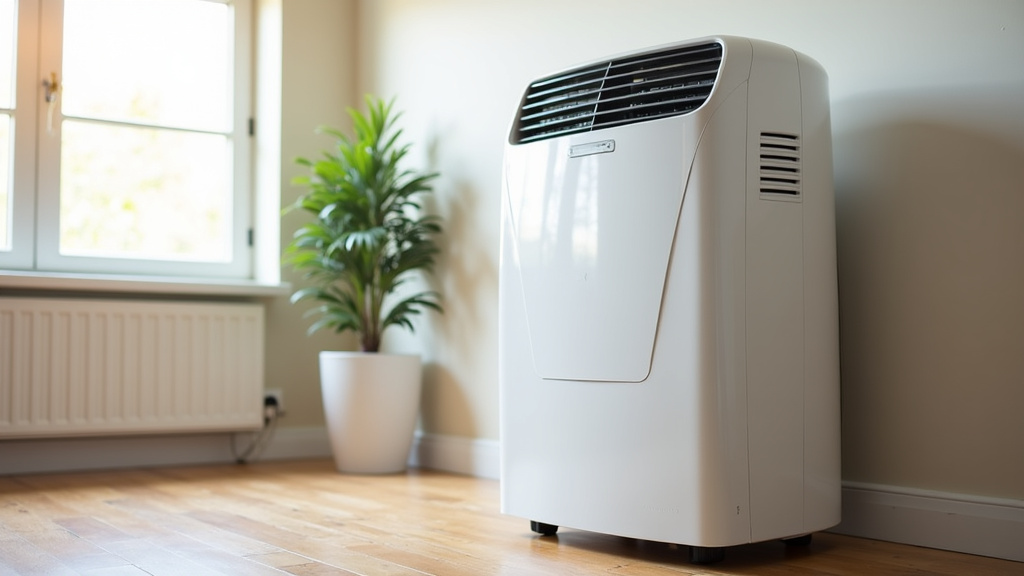
Dehumidifier Sizing Chart for Your 3000 Sq Ft Home
To help visualize, here’s a general guide. Remember, these are estimations, and your specific conditions might vary.
| Home Size (Sq Ft) | Climate Condition | Recommended Capacity (Pints/Day) |
|---|---|---|
| 3000 | Moderately Humid (e.g., some coastal areas, humid summers) | 60 Pints |
| 3000 | Very Humid (e.g., South Florida, Gulf Coast year-round) | 70 Pints |
| 3000 | Damp Basement/Crawl Space present | 60-70 Pints (consider placement) |
| 3000 | Dryer Climate (humidity only an issue seasonally) | 50-60 Pints (may suffice, but 60 is safer) |
Energy Efficiency and Sizing
It might seem counterintuitive, but an undersized dehumidifier can actually use more energy. Why? Because it will run constantly, trying to keep up with the moisture in your large home. A unit that’s appropriately sized for 3000 sq ft will reach your desired humidity level and then cycle off, saving electricity.
The Energy Star label is also something to look for. Energy Star certified dehumidifiers use about 10% less energy than standard models. So, a 60-70 pint Energy Star unit is a smart choice for both your home’s comfort and your utility bills.
Troubleshooting Common Humidity Issues in Large Homes
Even with the right size, placement matters. If you have specific areas that feel much damper than others (like that basement we talked about), ensure the dehumidifier is positioned to capture that moist air. Often, placing it in the area with the highest humidity or in a central location that allows for good air circulation is best.
Think about airflow. Make sure the dehumidifier isn’t blocked by furniture. If your home has multiple levels, you might need to consider running the unit on the level with the most humidity or even getting a second, smaller unit for a particularly problematic floor. For a 3000 sq ft home, a single, well-placed 60-70 pint unit is usually sufficient, but it’s good to be aware of these factors.
Your Dehumidifier Sizing Checklist
To recap and help you make the final decision, here’s a quick checklist:
- Assess Your Climate: Are you in a consistently humid region?
- Feel Your Home: Does it often feel damp or smell musty?
- Check Problem Areas: Is your basement or crawl space particularly wet?
- Consider Your Goal: Do you want to maintain 40% RH or just reduce mustiness?
- Factor in Ventilation: How well does air circulate throughout your 3000 sq ft?
- Err Slightly Larger: If in doubt between two sizes, choose the slightly bigger one.
Conclusion
Choosing the right dehumidifier for your 3000 sq ft home boils down to more than just square footage. You’ve learned that your local climate and how damp your house *feels* are just as important. For most homes this size, a 60 to 70-pint capacity unit is your best bet for comfortable, efficient moisture control. Don’t forget to consider problem areas like basements. Now that you have a clear picture, take the next step: assess your home’s specific humidity needs and select a unit that fits them perfectly. Your comfort is within reach!
Frequently Asked Questions
Do I really need a 60-70 pint dehumidifier for 3000 sq ft?
For a 3000 sq ft house, especially in moderately humid or damp conditions, a 60-70 pint unit is generally recommended. This capacity ensures effective moisture removal for a larger space without constantly running. It’s a sweet spot for comfort and efficiency.
What if my 3000 sq ft house is in a very dry climate?
If you live in a drier region, you might be able to get away with a slightly smaller capacity, perhaps 50-60 pints. However, even in dry climates, homes can experience seasonal humidity spikes, and a 60-pint unit provides a safer margin. It’s better to have a little extra capacity than not enough.
How do basements affect the dehumidifier size I need?
Basements and crawl spaces are often the biggest sources of humidity in a home. If your 3000 sq ft house has a damp basement, it significantly increases the overall moisture load. You’ll likely need a 60-70 pint unit to handle the entire house, or you might consider placing a powerful unit specifically in the basement.
Will a larger dehumidifier use more electricity?
Not necessarily. An undersized dehumidifier will run constantly to try and keep up, using more energy in the long run. An appropriately sized 60-70 pint unit will reach your target humidity and cycle off, which can be more energy-efficient. Look for Energy Star certified models, too.
Can I just use a smaller dehumidifier and move it around my 3000 sq ft house?
While portable dehumidifiers offer flexibility, trying to manage a 3000 sq ft home with a unit too small for the space isn’t ideal. A smaller unit will struggle to control humidity throughout the entire house effectively. A single, properly sized 60-70 pint unit placed centrally is usually more efficient for a home this size.
