
Can I Add a Dehumidifier to My Furnace?
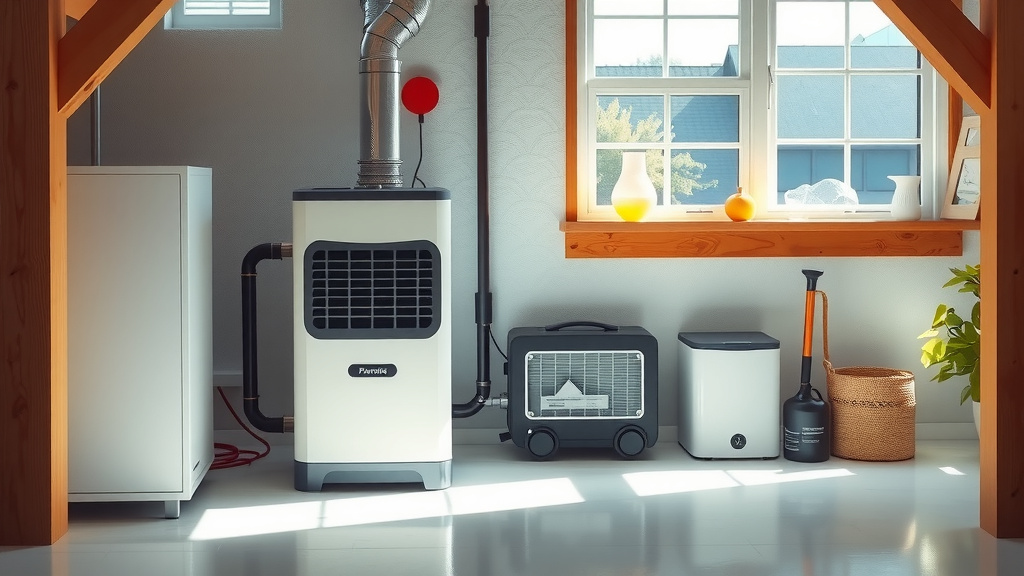
Yes, you can absolutely add a dehumidifier to your furnace system to help control humidity levels throughout your entire home. This integration typically involves a whole-home dehumidifier that works in conjunction with your existing HVAC system.
Many homeowners choose this option for superior comfort and better air quality, especially in humid climates, as it provides a consistent, centralized solution.
- TL;DR: You can add a whole-home dehumidifier directly to your furnace for better humidity control.
- This integration offers centralized, consistent moisture removal throughout your entire house.
- It improves comfort, protects your home from mold, and helps maintain indoor air quality.
- Professional installation is key to ensure proper sizing and efficient operation with your HVAC system.
- While an investment, it’s a long-term solution for managing persistent humidity issues.
Can I Add a Dehumidifier to My Furnace?
Yes, you can certainly add a dehumidifier to your furnace system. This is a common and highly effective way to manage indoor humidity. We found that integrating a whole-home dehumidifier provides consistent moisture control across all living spaces.
Understanding Whole-Home Dehumidifiers
Think of a whole-home dehumidifier as a silent partner for your HVAC system. Unlike a portable unit, it doesn’t just tackle one room. It’s designed to work with your furnace or air conditioner to treat the air moving through your ducts, giving you total home coverage.
How Does It Work with Your Furnace?
When the humidity in your home rises above a set point, the whole-home dehumidifier kicks in. It pulls air from your return ducts, removes excess moisture, and then sends the drier, conditioned air back into your home’s ductwork. Sometimes, it can even work independently of your cooling system to remove moisture without lowering the temperature, a real comfort bonus.
Why Consider Adding a Dehumidifier to Your Furnace?
You might be asking, “Do I really need this?” If your home often feels sticky, smells musty, or you see condensation on windows, then yes, it’s worth considering. High humidity isn’t just uncomfortable; it can be damaging too.
Improved Comfort Levels
High humidity makes warm air feel even hotter, meaning you might crank up the AC more than needed. By reducing indoor moisture, a dehumidifier helps you feel cooler and more comfortable at higher temperatures. This can even lead to energy savings on cooling, as your AC won’t have to work as hard.
Enhanced Indoor Air Quality
Excess moisture is a breeding ground. Mold, mildew, dust mites thrive in humid environments, often triggering allergies and asthma. Many experts say that maintaining indoor humidity between 30% and 50% is crucial for health (Mayo Clinic). A whole-home dehumidifier actively fights these irritants.
Protection for Your Home and Belongings
Imagine your wooden furniture warping or floorboards buckling. High humidity can damage paint, wallpaper, and even the structure of your house. It’s a silent destroyer. A dehumidifier helps preserve your home’s integrity and your valuable possessions.
The Installation Process: What to Expect
Adding a whole-home dehumidifier isn’t a DIY weekend project. It requires professional expertise. An HVAC technician will assess your home’s specific needs and integrate the unit into your existing ductwork.
Sizing the Right Dehumidifier
Just like picking the right size shoe, sizing a dehumidifier correctly is vital. Too small, and it won’t keep up. Too large, and it could be inefficient. Factors like home size, climate, and insulation all play a role. We found that a professional assessment ensures you get the most efficient unit for your space.
Integration with Your Existing HVAC
The dehumidifier connects to your return and supply ductwork. It also needs a drainage line for the removed water. Sometimes, it can be wired to your thermostat for easy control. This seamless integration means it works with your furnace or AC, making your system more versatile.
Whole-Home vs. Portable Dehumidifiers
You might already have a portable dehumidifier, so why upgrade? Let’s look at the differences to see why a whole-home unit is often a better fit for furnace integration.
| Feature | Whole-Home Dehumidifier | Portable Dehumidifier |
|---|---|---|
| Coverage | Entire home via ductwork | Single room or area |
| Convenience | Set-and-forget, automatic drainage | Manual emptying, moving between rooms |
| Noise Level | Quiet, integrated with HVAC | Often noticeable fan noise |
| Aesthetics | Out of sight, in utility area | Visible, takes up floor space |
| Installation | Professional HVAC required | Plug-and-play |
Cost Considerations and Energy Efficiency
Let’s talk numbers. The initial investment for a whole-home dehumidifier and installation is generally higher than buying a portable unit. However, the long-term benefits often outweigh this upfront cost.
Initial Investment
Prices vary based on capacity, brand, and installation complexity. It’s an investment in your home’s comfort and health, much like a new furnace or AC. Research shows that many homeowners see value in the improved comfort and air quality.
Operating Costs
Modern whole-home dehumidifiers are designed to be energy efficient. While they use electricity, they can help your AC run less, potentially offsetting some costs. Some models even have energy-saving features. It’s often a smart energy management move.
Signs Your Home Might Need a Dehumidifier
Are you unsure if your home really needs one? Listen to what your home is telling you. If you notice any of these signs, it might be time to call a professional.
- The air feels heavy or sticky, even when it’s not extremely hot.
- There’s a persistent musty odor, especially in basements or closets.
- You see visible mold spots on walls, ceilings, or furniture.
- Condensation regularly forms on windows, pipes, or other surfaces.
- Your allergies or asthma seem worse indoors.
- Wooden floors or furniture seem to swell or warp.
Making the Right Decision for Your Home
Deciding to add a whole-home dehumidifier is a big step. It’s about more than just comfort; it’s about protecting your family’s health and your home’s structure. We recommend consulting with a trusted HVAC professional.
Questions to Ask Your HVAC Expert
When you chat with a technician, don’t be shy! Ask about the best size for your home, the expected installation process, and how it will integrate with your specific furnace model. A good expert will walk you through all the options and help you understand the full scope.
A Checklist for Your Dehumidifier Journey
To help you get started, here’s a quick checklist:
- Identify signs of high humidity in your home.
- Research whole-home dehumidifier options.
- Schedule a professional HVAC assessment.
- Discuss sizing, installation, and costs.
- Consider long-term benefits versus initial investment.
- Ensure the system includes a proper drainage setup.
Conclusion
Adding a whole-home dehumidifier to your furnace is a practical and effective solution for managing indoor humidity. It provides consistent comfort, enhances air quality, and safeguards your home from moisture damage. While it requires professional installation, the benefits of a healthier, more comfortable living environment often make it a truly worthwhile investment for many homeowners. You’ll likely wonder how you ever managed without it!
How do I know if my furnace is compatible with a whole-home dehumidifier?
Most modern furnaces and HVAC systems are compatible with whole-home dehumidifiers. However, compatibility depends on your specific model and ductwork configuration. A qualified HVAC technician can assess your existing setup and confirm if your furnace can integrate seamlessly with a new dehumidifier.
Will adding a dehumidifier increase my energy bill significantly?
While a whole-home dehumidifier uses electricity, many homeowners find it can actually lead to energy savings. By removing moisture, the dehumidifier helps your home feel cooler, allowing you to set your air conditioner thermostat higher. This often results in your AC running less, potentially balancing out the dehumidifier’s energy use and keeping overall bills stable or even lower.
Can a whole-home dehumidifier help with allergy symptoms?
Absolutely. High humidity creates an ideal environment for common allergens like mold spores, mildew, and dust mites. By keeping indoor humidity levels between 30% and 50%, a whole-home dehumidifier significantly reduces the growth of these irritants, which can lead to a noticeable reduction in allergy and asthma symptoms for many individuals.
How often does a whole-home dehumidifier need maintenance?
Regular maintenance is important for optimal performance. We found that most manufacturers recommend annual professional servicing, often coinciding with your regular furnace or AC check-up. This typically includes cleaning coils, checking the drain line, and inspecting electrical connections. Homeowners might also need to clean or replace filters periodically based on manufacturer guidelines.
Is it possible to control the dehumidifier separately from my furnace?
Yes, many whole-home dehumidifiers offer independent control. This means you can run the dehumidifier to remove moisture without activating your furnace’s heating or cooling cycles. This feature is particularly useful during milder seasons when humidity is high but temperatures are comfortable, allowing you to maintain optimal indoor humidity levels without unnecessary temperature changes.
