
Is It Worth Getting a Dehumidifier with a Pump?
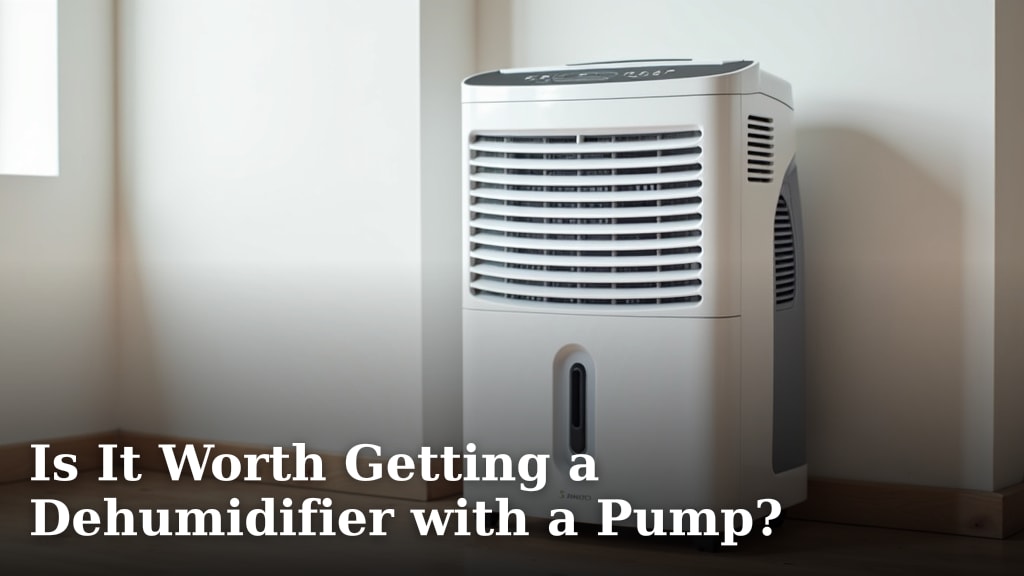
Yes, a dehumidifier with a pump is often worth the extra cost, especially if you need to drain moisture to a higher location
When Is a Dehumidifier with a Pump a Smart Choice?
If you’re dealing with persistent moisture issues in your home, you’ve likely encountered dehumidifiers. These devices are fantastic at pulling excess water from the air. But sometimes, the water needs to go somewhere specific, and that’s where a dehumidifier with a pump comes in. We’ve found that for many homeowners, this feature can be a game-changer for managing humidity.
So, when exactly does it make sense to invest in one of these pumped models? It mostly boils down to convenience and location. If your dehumidifier’s tank is a pain to empty regularly, or if you need to send the collected water somewhere other than the floor, a pump could save you a lot of hassle. We’ll break down the scenarios where this added feature really shines.
Understanding Dehumidifier Drainage Options
Before we dive into pumps, let’s quickly look at how dehumidifiers typically get rid of water. Most standard units collect moisture in a built-in bucket or tank. You then have to manually remove this tank, carry it to a drain or sink, empty it, and put it back. This can become a daily chore if your dehumidifier is working hard.
Some dehumidifiers offer a continuous drainage option without a pump. This usually involves attaching a hose to the unit and running it to a nearby floor drain or sump pump. This is a good solution if you have a drain within reach. However, gravity is your only friend with this method. The water level in the drain must be lower than the dehumidifier itself.
The Magic of the Built-In Pump
This is where a dehumidifier with a pump truly stands out. Instead of relying on gravity, these units have an internal pump. This pump actively pushes the collected water out of the dehumidifier. It can send the water through a hose to a variety of places that aren’t at the same level as the unit.
Think of it like a tiny water-moving superhero inside your appliance. It doesn’t wait for the water to flow downhill; it gives it a helpful push. This ability opens up a whole new world of drainage possibilities for your dehumidifier, making it much more flexible.
Key Scenarios Where a Pump Is Worth It
Draining to an Elevated Location
This is the most common and compelling reason to opt for a dehumidifier with a pump. If the only suitable drain in your basement or crawl space is higher than the dehumidifier itself, a standard hose setup won’t work. Gravity simply won’t cooperate! A pump is essential in this situation.
For example, many homes have utility sinks or even laundry tubs that are elevated. If that’s your closest drain, the pump will lift the water up and over to it. We’ve found this capability alone makes the extra cost worthwhile for many users. It removes the need for complex plumbing modifications.
Reaching Distant Drains
Even if your drains are at floor level, they might be quite far from where you need to place your dehumidifier. Running a standard drain hose a long distance can sometimes be tricky. It can create kinks or require careful management to ensure proper flow. A pump can overcome A pump can overcome longer hose runs, giving you more placement flexibility.longer hose runs.
The pump is designed to push water with enough force to travel a significant distance through the hose. This gives you more freedom to place the dehumidifier in the most effective spot for humidity control, rather than being dictated by the nearest drain. You can often conceal the hose more easily too.
Reducing Manual Emptying of the Tank
Let’s be honest, nobody enjoys lugging around a heavy bucket full of water. If your dehumidifier is in a high-humidity environment, you might be emptying the tank multiple times a day. A pump essentially turns your dehumidifier into a “set it and forget it” appliance.
Once you set up the continuous drainage hose to a suitable drain, the pump takes over. It will empty the collected water as needed. This saves you considerable time and effort. We’ve heard from many users who say the convenience of not having to empty the tank is the biggest benefit for them.
Preventing Overflow and Water Damage
What happens if you forget to empty the tank, or if it fills up faster than you expect? The dehumidifier will typically shut off, but that still leaves you with a full tank. If you’re away from home, this could lead to the tank overflowing. Water damage in a basement or crawl space is a serious problem.
A pumped dehumidifier eliminates this risk. As long as the pump is functioning and the drain is clear, water is continuously removed. This offers peace of mind, especially if you travel or have a busy schedule. It’s a more reliable way to manage excess moisture.
Comparing Pumped vs. Non-Pumped Dehumidifiers
To help you decide, let’s look at the key differences. Non-pumped dehumidifiers are generally less expensive upfront. They are simpler in design and perfectly adequate if you have a floor drain nearby or don’t mind manual emptying. They are often more compact as well.
Pumped dehumidifiers come with a higher initial cost. This is due to the added pump mechanism and the associated electronics. However, they offer superior flexibility in drainage. We found that the long-term convenience and potential avoidance of water damage can often justify the increased investment.
| Feature | Standard Dehumidifier (No Pump) | Dehumidifier with Pump |
|---|---|---|
| Initial Cost | Lower | Higher |
| Drainage Method | Manual tank emptying or gravity hose to low drain | Automatic pumping to higher or distant drains |
| Convenience | Requires regular manual effort | Minimal manual effort needed |
| Placement Flexibility | Limited by drain location and gravity | Much more flexible placement options |
| Risk of Overflow | Higher if tank is not emptied | Significantly lower |
| Ideal Use Case | Small spaces, easy drain access, budget-conscious | Basements, crawl spaces, humid areas, no nearby drain, convenience-focused |
Factors to Consider When Choosing
Pump Hose Length and Head Height
Not all pumps are created equal. When looking at a dehumidifier with a pump, check the specifications for the maximum hose length it supports and the “head height” it can pump against. Head height refers to how high the pump can lift water vertically. Ensure these meet your needs.
For most homes, a pump with a 15-20 foot hose length and a few feet of head height will suffice. However, if you have a very large basement or need to pump water up several feet, you’ll need to verify the pump’s capabilities. Many manufacturers provide these details.
Energy Consumption
The pump does use electricity to operate. While dehumidifiers themselves are energy users, the pump’s additional consumption is usually quite modest. Most pumps only run when the collection tank is full and needs emptying. We found that the pump’s energy draw is generally a small fraction of the main compressor’s usage.
If energy efficiency is a top concern, you might want to compare models. However, the convenience factor often outweighs the slight increase in electricity usage. Remember, a more efficient dehumidifier overall will still save you money in the long run.
Reliability and Maintenance
A pump adds another component to the dehumidifier that could potentially fail. However, reputable brands typically use durable pumps. Regular maintenance of the dehumidifier, including cleaning the filter and ensuring the pump and hose are clear of debris, will maximize its lifespan.
If you’re concerned about pump failure, consider models with strong warranties or those known for their build quality. We also recommend testing the pump occasionally by running a longer hose to ensure it’s working correctly and not clogged.
Is the Extra Cost Justified?
So, to circle back to the main question: is it worth getting a dehumidifier with a pump? Based on our research and what users report, the answer is a resounding “yes” in many situations. If you face any of the drainage challenges we’ve discussed—needing to drain uphill, to a distant location, or simply wanting to avoid manual tank emptying—the added cost is often a worthwhile investment.
Think about the time you’ll save, the potential headaches you’ll avoid, and the peace of mind you’ll gain. For many, the convenience and problem-solving capabilities of a pumped dehumidifier make it the superior choice for maintaining a dry and comfortable home environment.
Quick Checklist: Should You Get a Pumped Dehumidifier?
- Do you need to drain water to a higher location?
- Is your nearest drain far away from where the dehumidifier needs to be?
- Do you want to avoid the frequent task of emptying a heavy water tank?
- Are you often away from home and worry about tank overflow?
- Does a “set it and forget it” appliance sound appealing to you?
- Is your budget flexible enough to accommodate the higher upfront cost?
Conclusion
Ultimately, whether a dehumidifier with a pump is worth the extra cost comes down to your specific needs. If you’re struggling with water needing to go uphill, reach a distant drain, or you simply want to ditch the daily chore of emptying a heavy tank, then yes, a pumped model is likely a wise investment. We found that the convenience and peace of mind it offers can
