
What Humidity Level Is Best for a Closet?

The best humidity level for your closet is generally between The best humidity level for your closet is generally between 40% and 50%, which is the ideal humidity level for a home.40% and 50%. Keeping your closet in this sweet spot helps protect your clothes from damage and prevents musty odors. Too much moisture can lead to mold and mildew, while too little can dry out certain fabrics.
Understanding closet humidity is key to maintaining your wardrobe. When humidity is too high, you risk seeing mildew growth on fabrics and leather goods. If it’s too low, delicate items like silk or wool might become brittle. This range is recommended by many experts and is ideal for a climate-controlled environment.
- Ideal range: 40% to 50% humidity.
- High humidity risks: Mold, mildew, musty smells.
- Low humidity risks: Dryness, brittle fabrics.
- It protects your clothes and extends their life.
So, how can you achieve and maintain this perfect humidity level? Let’s dive into the simple steps and tools that can help.
Finding Your Closet’s Humidity Sweet Spot
So, what’s the magic number for your closet’s humidity? Most experts and guidelines point to a sweet spot between 40% and 50%. This range is ideal for storing your clothes safely. It helps prevent the common issues that arise from environments that are too damp or too dry. Think of it like Goldilocks finding the perfect porridge—not too hot, not too cold, but just right for your wardrobe.
Why this specific range? Well, it strikes a balance. It’s moist enough to keep natural fibers like cotton and wool from becoming brittle. But it’s dry enough to discourage the growth of unwelcome guests like mold and mildew. Keeping your closet within this ideal humidity zone is your best defense against wardrobe woes.
The Dangers of High Humidity in Your Closet
Let’s talk about what happens when your closet feels like a sauna. High humidity, generally anything above 60%, creates a breeding ground for trouble. Your clothes, especially natural fabrics and leather items, can suffer serious damage. It’s a slow, insidious process that you might not notice until it’s too late.
Mold and Mildew: The Unseen Invaders
The most common culprits in a humid closet are mold and mildew. These fungi thrive in moist, dark environments. Your closet, often kept closed and out of sight, is a prime target. You might notice musty odors first. This smell is often a sign that mold or mildew is already present.
Mold can appear as fuzzy spots, often black, green, or white. It can grow on clothes, shoes, and even the closet walls. Mildew is flatter and usually appears as a powdery gray or white substance. Both can permanently stain fabrics and damage leather goods. They can also release spores into the air, which might affect your home’s air quality and potentially your health (CDC).
Damage to Fabrics and Materials
Beyond the visible growth, high humidity can weaken fabrics over time. Natural fibers like cotton, linen, wool, and silk are susceptible to degradation when consistently exposed to too much moisture. This can make them weak and prone to tearing.
Leather goods are particularly vulnerable. High humidity can cause leather to lose its suppleness, becoming stiff and prone to cracking. It can also encourage the growth of mold directly on the leather surface, which is very difficult to remove without causing damage. Metal zippers and buttons can also develop rust or corrosion in damp conditions.
Pest Attraction
Believe it or not, high humidity can also attract certain pests. Insects like silverfish and clothes moths are often drawn to damp environments and the materials they can feed on, such as natural fibers. Keeping humidity in check can help make your closet a less appealing buffet for these unwelcome visitors.
The Risks of Low Humidity in Your Closet
On the flip side, what happens if your closet is as dry as a desert? While it might seem better than being too damp, extremely low humidity also presents problems. If your environment is consistently below 30-35%, your clothes can suffer.
Brittle Fabrics and Static Cling
Low humidity can cause natural fibers, especially those like silk and wool, to lose their natural moisture content. This makes them feel dry, brittle, and more susceptible to damage during wear or washing. Think of it like an old rubber band that’s lost its elasticity – it snaps easily.
You’ll also likely deal with an increase in static electricity. This can make clothes cling uncomfortably. It can also cause fine hairs to stand on end, which isn’t ideal for anyone wanting a smooth look. Dealing with constant static cling can be quite frustrating.
Drying Out Leather and Other Materials
Leather goods are also negatively impacted by dryness. Just as too much moisture can harm them, too little can cause them to dry out, crack, and become brittle. This can shorten the lifespan of your favorite leather jackets, shoes, and accessories.
Certain synthetic materials might also be affected. While generally more robust, extreme dryness could potentially lead to issues like increased fragility over long periods.
How to Measure and Monitor Your Closet’s Humidity
You can’t manage what you don’t measure, right? The good news is that monitoring humidity is simple and affordable. You’ll need a tool called a hygrometer.
Understanding the Hygrometer
A hygrometer is a small device that measures the amount of water vapor in the air. They come in various forms, from basic analog dials to digital displays. Many digital hygrometers also display the current temperature, which is helpful information.
You can find reliable hygrometers online or at hardware stores. They are relatively inexpensive, with good basic models costing between $10 and $30. It’s a small investment to protect a much larger one—your wardrobe!
Placement and Reading the Levels
To get an accurate reading for your closet, place the hygrometer inside. Make sure it’s not directly next to a wall or any vents that could skew the data. Leave it in place for at least 24 hours to get a good average reading.
Read the device daily for a week or two to understand your closet’s typical humidity fluctuations. This will give you a clear picture of whether you need to make adjustments. Remember, ambient humidity can change with seasons and even the weather outside.
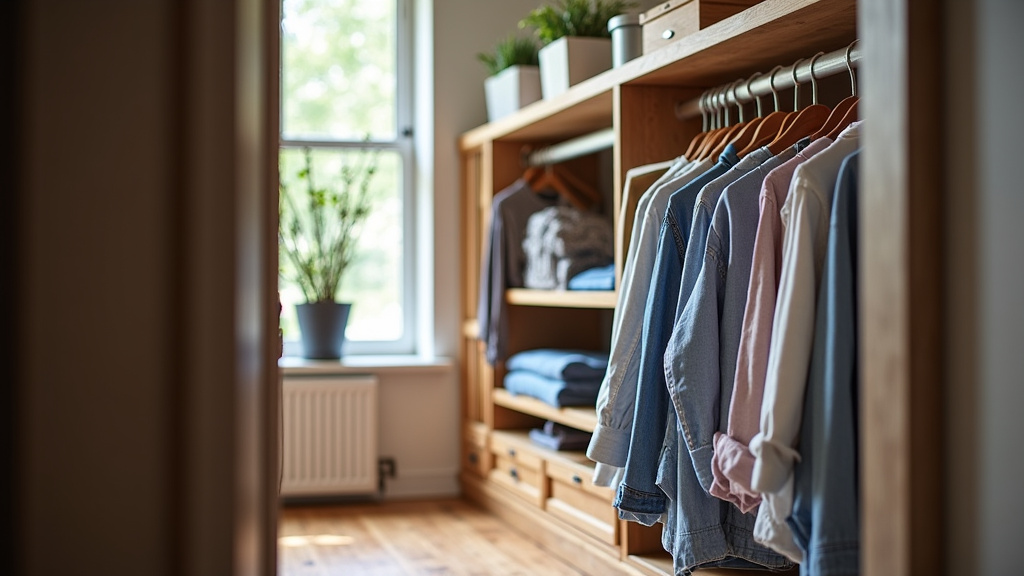
Strategies for Achieving the Ideal 40%-50% Humidity Range
Once you know your closet’s humidity level, you can take steps to bring it into the optimal 40-50% range. The method you choose will depend on whether you need to increase or decrease the moisture.
Dealing with High Humidity: The Drying Approach
If your hygrometer shows readings consistently above 50%, it’s time to start drying things out. Here are some effective methods:
- Improve Air Circulation: Open your closet door regularly. Consider installing a small, low-profile fan inside the closet to keep air moving. Proper ventilation is key.
- Use Desiccants: Moisture-absorbing products, often called desiccants, are excellent for closets. Products like silica gel packets or larger moisture absorber containers can soak up excess humidity. You can find these at most home goods stores.
- Dehumidifier: For persistent high humidity, especially in basements or garages, a small, closet-sized dehumidifier might be necessary. These actively remove moisture from the air.
- Avoid Storing Damp Items: Never put damp clothes or shoes in the closet. Ensure everything is completely dry before hanging or folding.
Combating Low Humidity: The Humidifying Approach
If your closet is too dry (below 40%), you’ll need to add some moisture. This is less common in many homes but can happen in arid climates or during winter heating seasons.
- Small Humidifier: A very small, portable humidifier designed for small spaces can be placed in or near the closet. Be careful not to overdo it; you don’t want condensation.
- Bowls of Water: A simple, low-tech solution is to place a bowl of water in the closet. The water will evaporate, increasing humidity.
- Moist Towels (Temporary): As a quick, temporary fix, you can hang a damp towel in the closet for a few hours. Remove it before it dries completely or causes issues.
- Plant Life (Use Caution): Some people place humidity-loving plants in or near closets. However, this requires careful monitoring to avoid mold. This is generally not recommended unless you have excellent air circulation and a very low-risk environment.
DIY Humidity Control Table
Here’s a quick reference guide:
| Problem | Solution | Notes |
|---|---|---|
| Humidity Too High ( > 50% ) | Improve Airflow | Open door, use fan. |
| Humidity Too High ( > 50% ) | Use Desiccants | Silica gel, moisture absorbers. |
| Humidity Too High ( > 50% ) | Small Dehumidifier | For persistent issues. |
| Humidity Too Low ( < 40% ) | Small Humidifier | Use with caution, monitor levels. |
| Humidity Too Low ( < 40% ) | Bowls of Water | Evaporates naturally. |
Maintaining Your Closet’s Ideal Climate: A Checklist
Keeping your closet in the sweet spot is an ongoing process. Here’s a quick checklist to help you stay on track:
- Get a Hygrometer: Measure your closet’s humidity regularly.
- Aim for 40-50%: This is your target range.
- Ensure Airflow: Open doors and consider a small fan.
- Use Desiccants: Especially if humidity tends to be high.
- Check Regularly: Monitor levels weekly for any changes.
- Dry Items Thoroughly: Never store anything damp.
Conclusion
You’ve learned that keeping your closet’s humidity between 40% and 50% is your best defense against wardrobe damage. This sweet spot protects your clothes from mold, mildew, and dryness. By using a hygrometer and simple strategies, you can easily monitor and adjust your closet’s environment. Taking these steps ensures your favorite garments stay in great condition for years to come. Start by checking your closet’s current humidity today and make one small adjustment to improve its climate.
Frequently Asked Questions
Can I just leave my closet door open all the time?
Leaving your closet door open can improve airflow and help regulate humidity. However, it’s not a complete solution on its own. Consistent monitoring with a hygrometer is still recommended to ensure you’re within the ideal 40-50% range.
Will a small dehumidifier be too much for just a closet?
A small, energy-efficient dehumidifier can be effective for a closet, especially in very humid environments. Just be sure to monitor the humidity levels closely to avoid over-drying your clothes, aiming to keep it within the 40-50% target.
What if I live in a very dry climate? How do I add humidity?
If your closet is too dry, consider a small humidifier or even just a bowl of water placed inside. These methods can naturally increase moisture levels. Remember to check your hygrometer regularly to prevent the air from becoming too damp.
How often should I check my closet’s humidity?
It’s a good idea to check your closet’s humidity at least once a week, especially when you first start managing it. Once you’ve established a stable range, monthly checks might suffice, but always monitor if you notice changes in your clothes or home environment.
Can mold in my closet spread to other parts of my house?
Yes, mold spores can travel through the air. If you have a significant mold or mildew problem in your closet due to high humidity, it’s important to address it promptly. This not only protects your clothes but also helps maintain your home’s overall air quality.
