
How to Dehumidify a Apartment?
The quickest way to dehumidify an apartment is to use a portable dehumidifier or a good ventilation strategy. Both methods actively remove excess moisture from your living space, preventing that sticky, uncomfortable feeling. You can see results relatively fast with these approaches.
High humidity in an apartment can lead to more than just discomfort. It can contribute to mold growth and damage your belongings. Understanding how to manage moisture levels is key for a healthy and pleasant home. We found that taking simple steps can make a big difference for your apartment’s air quality.
TL;DR:
- Use a portable dehumidifier for quick moisture removal.
- Open windows when outdoor air is drier.
- Run exhaust fans in bathrooms and kitchens.
- Check for and fix any water leaks.
- Consider using moisture absorbers in small spaces.
Ready to tackle that dampness? Let’s walk through how you can effectively dehumidify your apartment, step by step.
Managing Moisture Levels in Your Apartment
Living in an apartment doesn’t mean you have to put up with a damp, sticky feeling. High humidity can be uncomfortable and even harmful to your home. We found that controlling moisture is about understanding where it comes from and how to get rid of it. Let’s break down the most effective ways to dehumidify your apartment.
Understanding the Source of Apartment Humidity
Before you start dehumidifying, it’s helpful to know what’s making your apartment so damp. Moisture in the air can build up from everyday activities. Cooking, showering, and even breathing all add water vapor to your indoor air. Leaky pipes or poor insulation can also contribute significantly.
Everyday Activities and Moisture
Think about your daily routine. When you cook, especially boiling water or steaming vegetables, you release a lot of moisture into the air. A quick shower can produce gallons of water vapor that hangs around. Even your plants can transpire, adding humidity. Many experts agree that these common activities are primary culprits (CDC).
Hidden Leaks and Building Issues
Sometimes, the problem isn’t your routine. You might have a slow leak under your sink or behind your refrigerator. Condensation on windows or walls is another sign. Older buildings might have less effective insulation or ventilation, trapping moisture inside.
The Power of Ventilation: Letting the Dry Air In
One of the simplest and most effective ways to dehumidify your apartment is by simply airing it out. This works best when the air outside is drier than the air inside your home. We found that strategic ventilation can make a noticeable difference.
When to Open Your Windows
Check the weather forecast! If the humidity outside is lower than inside, open your windows. This creates airflow and allows the moist indoor air to escape, replaced by drier outdoor air. It’s like giving your apartment a refreshing breath of fresh air.
A good rule of thumb is to open windows for at least 15-30 minutes a day, especially after activities that create a lot of moisture. This can be after cooking or showering. You’ll often feel the difference in the air quality.
Using Exhaust Fans Wisely
Your apartment likely has exhaust fans in the bathroom and kitchen. These are designed to pull moist air directly outside. Make sure you’re using them! Run the bathroom fan during and for about 20 minutes after showers. Use the kitchen fan when cooking or running the dishwasher.
We found that many people forget to turn these on, or they don’t run them long enough. These fans are your allies in fighting humidity. They’re specifically installed to vent moisture away from your living space.
Portable Dehumidifiers: Your Moisture-Fighting Friend
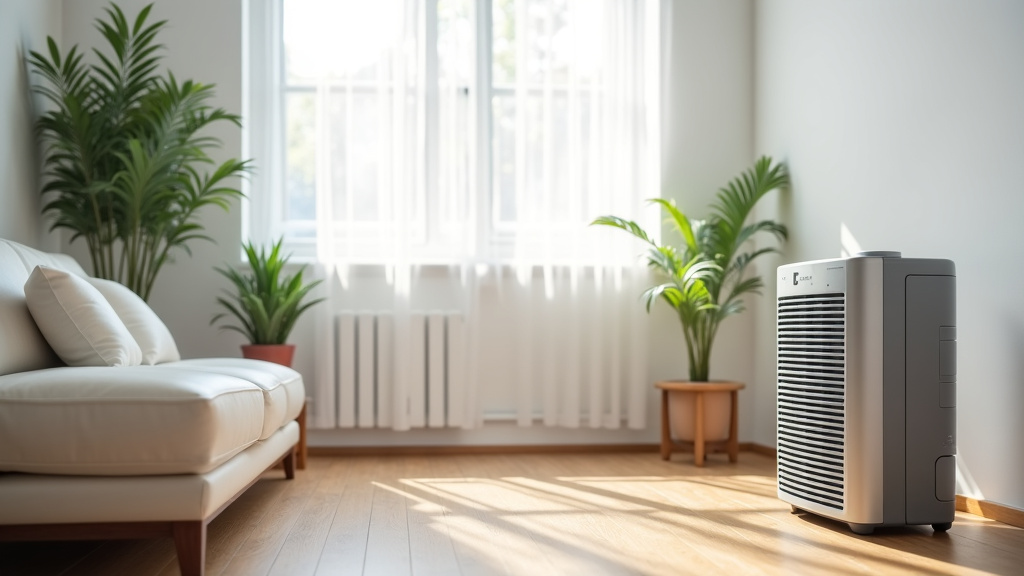
For a more direct and powerful approach, a portable dehumidifier is an excellent investment. These appliances actively pull moisture from the air. They are a fantastic solution, especially for apartments where you can’t always control the outdoor air conditions.
Choosing the Right Dehumidifier
Dehumidifiers come in various sizes and capacities. For an apartment, a smaller to medium-sized unit is usually sufficient. Look for models that are energy-efficient and quiet. Consider the size of the room or rooms you plan to use it in.
You’ll want to match the dehumidifier’s capacity to the square footage of your space. A unit that’s too small won’t be effective, while one that’s too large might cycle too quickly, not removing enough moisture. Check the manufacturer’s recommendations for room size.
How to Use Your Dehumidifier Effectively
Place your dehumidifier in the area where you notice the most moisture. Often, this is the bedroom, living room, or basement if you have one. Keep doors and windows closed while the dehumidifier is running to maximize its efficiency. This traps the moist air inside, allowing the machine to work on it.
Remember to empty the water collection tank regularly. Some models have a drain hose option, which can be very convenient. If you’re going away for a few days, you might need to unplug it or set up the continuous drain if you won’t be there to empty it.
Understanding Dehumidifier Performance
Dehumidifiers work best within a certain temperature range. Most operate efficiently between 65°F and 85°F. If your apartment gets very cold, their performance might decrease. You’ll see faster results in warmer, more humid conditions.
We found that many users are surprised by how quickly the water tank fills up. This is a good sign! It means your dehumidifier is actively removing moisture. It’s a clear indicator that your apartment had a humidity problem.
Moisture Absorbers: For Smaller Spaces
For smaller, enclosed areas like closets, bathrooms, or cabinets, portable dehumidifiers might be overkill. Moisture absorbers are a great, low-maintenance option for these spots. These are typically containers filled with desiccant materials.
The desiccant material absorbs moisture from the air and often turns into a gel or collects water in a separate compartment. They are a budget-friendly way to tackle humidity in these specific, often overlooked, areas. You just replace them when they’re full.
Checking for and Fixing Leaks
We can’t stress this enough: leaks are a major source of hidden humidity. Addressing them is a crucial step in long-term moisture control. Even a small drip can lead to big problems over time, including mold growth (Mayo Clinic).
Where to Look for Leaks
Regularly inspect areas under sinks, around toilets, and behind appliances like refrigerators and dishwashers. Check the seals around bathtubs and showers. Look for any signs of water stains on walls or ceilings.
Don’t forget to look for condensation. If you see water droplets forming on pipes, windows, or even your toilet tank, that’s a sign of excess moisture that needs attention. It’s also a good idea to check your water meter when no water is running. If it still moves, you might have a leak somewhere.
Getting Leaks Repaired
If you find a leak, you’ll need to get it fixed. For minor issues, you might be able to handle it yourself with some basic plumbing know-how. However, for anything more significant, it’s best to call a professional. Your apartment building’s management should be able to help with this.
Getting leaks repaired not only helps with humidity but also prevents potential water damage and mold. It’s a win-win for keeping your apartment healthy and comfortable.
Simple Habits for a Drier Apartment
Beyond appliances and repairs, small changes in your daily habits can also help manage humidity. These are easy to incorporate and can have a cumulative effect.
Quick Drying Habits
After showering, wipe down shower walls and doors to remove excess water. Squeeze out your washcloths and hang them up to dry completely. Don’t leave damp towels bunched up on the floor.
When drying clothes, consider using a vented dryer if available. If you have to air dry clothes indoors, open windows or use a fan to help circulate air and speed up the drying process. Hanging wet clothes indoors can significantly raise humidity levels.
Cooking and Ventilation
Always use your kitchen exhaust fan when cooking, especially when boiling or simmering. If you don’t have one, open a nearby window. Covering pots and pans while cooking also reduces the amount of steam released into the air.
We found that a simple pot lid can make a surprising difference in the amount of moisture released during cooking. It’s a small step that contributes to a drier environment.
Creating a Humidity Control Checklist
Ready to take action? Here’s a quick checklist to help you keep your apartment’s humidity in check:
- Run exhaust fans in the bathroom and kitchen religiously.
- Open windows when outdoor air is drier than inside.
- Empty dehumidifier tanks promptly or set up drainage.
- Inspect common leak areas like under sinks regularly.
- Use moisture absorbers in closets and small spaces.
- Wipe down shower walls after use.
Conclusion
You’ve learned that tackling apartment humidity is totally doable. You can make a real difference by using a portable dehumidifier for quick action. Smart ventilation, like opening windows when it’s dry out and using exhaust fans, is your ally. Don’t forget to hunt for and fix those sneaky leaks, too. By incorporating these methods and simple daily habits, you’re well on your way to a drier, more comfortable home. Start by creating a simple checklist of these steps today!
Frequently Asked Questions
How often should I run my portable dehumidifier?
For best results, run your dehumidifier consistently in humid conditions, especially after activities like showering or cooking. Keep doors and windows closed while it’s running to maximize its effectiveness. Check the water tank daily and empty it as needed.
Can I just open my windows all the time to dehumidify?
Opening windows is effective only when the outdoor air is drier than the air inside your apartment. Check your local weather or a humidity gauge; if it’s more humid outside, opening windows can actually make your apartment damp. Aim for strategic ventilation during drier periods.
What’s the difference between a dehumidifier and a moisture absorber?
A portable dehumidifier is an electric appliance that actively pulls moisture from the air and collects it in a tank. Moisture absorbers are passive products, like containers with crystals, designed for small, enclosed spaces like closets or bathrooms where they simply soak up excess moisture.
How do I know if I have a humidity problem in my apartment?
Signs of high humidity include a persistent damp or sticky feeling in the air, condensation on windows or walls, musty odors, and the potential for mold growth. Your dehumidifier’s water tank filling up quickly is also a clear indicator.
Is it okay to dry my clothes indoors if I have a dehumidifier running?
It’s best to avoid drying clothes indoors if possible, even with a dehumidifier. Wet clothes release a lot of moisture, which can overwhelm your dehumidifier and still contribute to dampness. If you must dry clothes inside, ensure windows are open or use a fan to help circulate air.
