
What Humidity Level Is Best for a Grow Tent?
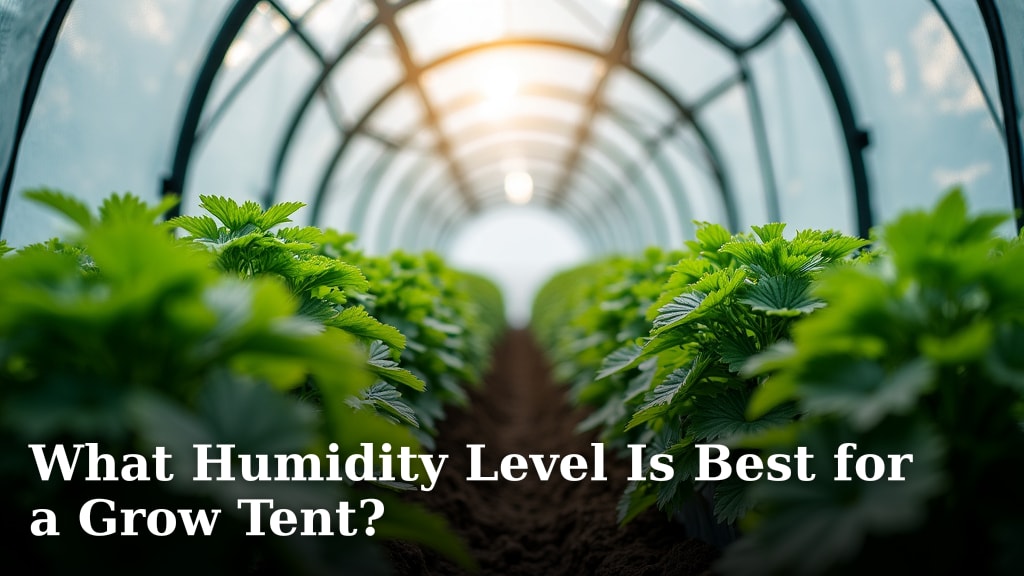
The best humidity level for a grow tent is generally between 40% and 60%. This range helps your plants thrive by promoting healthy growth and reducing the risk of mold or mildew. Finding the sweet spot ensures your plants get the moisture they need without becoming waterlogged.
Maintaining the correct humidity is key to a successful grow. Too high, and you invite fungal issues. Too low, and your plants might dry out too quickly. We found that many growers aim for this specific humidity window to achieve optimal results. It’s a balancing act for happy, healthy plants.
- Ideal grow tent humidity: 40%-60%.
- Why it matters: Prevents mold and plant dryness.
- Too high: Risk of fungal diseases.
- Too low: Plants can dry out too fast.
- Consistency is important for plant health.
Let’s break down why this humidity range works so well and how you can achieve it in your own grow tent.
Understanding the Ideal Grow Tent Humidity Sweet Spot
So, what’s the magic humidity number for your grow tent? We’ve found that most growers aim for a range of 40% to 60% relative humidity. This sweet spot is essential for plant health. It helps them breathe, drink, and grow without issue.
Think of it like Goldilocks and the three bears. Too hot, too cold, or just right. Your plants need that “just right” humidity. This range is where they perform their best. It’s a careful balance we’ll help you strike.
Why This Humidity Range is So Important
This 40-60% zone is where your plants are happiest. It supports optimal transpiration. This is how plants move water from their roots to their leaves. It also helps with nutrient uptake from the soil.
When humidity is right, leaves stay healthy. They can absorb CO2 efficiently. This is vital for photosynthesis. Without the right conditions, your plants can’t do their best work.
The Role of Transpiration
Transpiration is like your plant’s natural cooling system. It also helps pull water and nutrients up. Imagine a straw. Your plant uses transpiration to suck up what it needs. If the air is too dry, the straw can’t pull well.
If the air is too wet, the “pull” is weak. It’s like trying to drink a thick milkshake. It’s slow going. The 40-60% range allows for steady, efficient water movement.
Photosynthesis and Nutrient Uptake
Healthy transpiration means healthy nutrient absorption. Minerals from your soil travel with water. They move throughout the plant. This fuels growth and development.
Photosynthesis also needs good airflow and gas exchange. Proper humidity supports open stomata. These are tiny pores on leaves. They let CO2 in for photosynthesis. They also let water vapor out.
What Happens When Humidity is Too High?
If your grow tent gets too humid, problems can pop up. The biggest concern is mold and mildew. These fungi love damp, stagnant environments. They can attack your leaves, stems, and buds.
High humidity also slows down transpiration. Plants may not “drink” as much. This can lead to nutrient deficiencies. It can also make them more susceptible to pests. Think of it as creating an unhealthy spa day for pathogens.
Fungal Disease Risks
Powdery mildew is a common foe. It looks like white, dusty patches on leaves. Bud rot, like Botrytis, is another serious threat. It can destroy your flowers from the inside out.
These issues are harder to treat once they start. They can reduce your yield and ruin your harvest. Prevention is key. Maintaining lower humidity helps avoid these fungal nightmares. Many plant health guides list high humidity as a primary risk factor (CDC).
Impact on Plant Development
When plants can’t transpire effectively, they might get stressed. Growth can slow down. Leaf tips might turn yellow or brown. It’s your plant’s way of saying it’s uncomfortable.
Stunted growth and nutrient issues are common. It’s a frustrating outcome. You’re working hard, but the environment isn’t cooperating. Aiming for that ideal range avoids these setbacks.
What Happens When Humidity is Too Low?
On the flip side, extremely low humidity is also bad. Your plants can dry out too quickly. The air acts like a sponge, pulling moisture from everything. This includes your plant’s leaves.
Low humidity can cause leaf edges to crisp up. It can stunt growth because the plant is conserving water. It’s like living in a desert. Everything needs more water to survive.
Excessive Water Loss
When humidity is very low, stomata can close. This conserves water. But it also stops CO2 intake. Photosynthesis grinds to a halt. Your plant stops growing.
You might see wilting even if the soil is moist. This is because water can’t move effectively from roots to leaves. It’s a sign of serious stress. Keeping humidity in check prevents this water deficit.
Stunted Growth and Stress
Low humidity puts your plant under constant stress. They’ll focus on survival rather than growth. You’ll notice smaller leaves. Growth rates will drop significantly.
It can also make plants more vulnerable to spider mites. These pests love dry conditions. They can quickly infest your plants. Avoiding low humidity protects your investment.
Humidity Needs Change with Plant Stages
It’s not just about one perfect number. Different stages of your plant’s life have different humidity preferences. You’ll need to adjust your environment accordingly.
Think of it like caring for a baby. They need different conditions as they grow. Your plants are no different. What works for a seedling won’t work for a flowering plant.
Seedling and Clone Stage
Young plants, like seedlings and clones, are delicate. They don’t have a strong root system yet. They need higher humidity to thrive. We found that 60%-70% is often recommended for this stage.
This helps them establish themselves. It reduces water loss from their tiny leaves. They can focus on root development. Once they’re a bit bigger, you can gradually lower it.
Vegetative Stage
As your plants grow stronger in the vegetative stage, you can lower the humidity. Aim for the middle of our sweet spot. Something around 50%-60% is usually good.
This encourages healthy growth and good airflow. It balances their need for moisture with the risk of issues. They are growing fast now, and need optimal conditions.
Flowering Stage
The flowering stage is critical. Humidity needs to be managed carefully. Many experts recommend lowering humidity during flowering. A range of 40%-50% is often cited.
This helps prevent bud rot. Denser flowers produced in later stages are more prone to mold. It also helps buds cure properly. Lower humidity aids in drying without causing stress.
Here’s a quick guide to humidity levels by stage:
| Plant Stage | Ideal Humidity Range |
|---|---|
| Seedling/Clone | 60% – 70% |
| Vegetative | 50% – 60% |
| Flowering | 40% – 50% |
Tools to Monitor and Control Humidity
To achieve the ideal humidity, you need the right tools. A hygrometer is your best friend. This device measures humidity levels accurately.
You’ll likely need ways to control it too. This might mean adding or removing moisture from the air. Don’t guess; measure! Accurate readings are key to success.
The Importance of a Hygrometer
A good digital hygrometer is a must-have. Place it inside your tent. Check it regularly. Some even log data, which can be helpful. Many growers find that digital models are more reliable.
Don’t rely on cheap, analog gauges. They can be inaccurate. Investing in a quality hygrometer will save you headaches later. It’s a small price for peace of mind.
Humidity Control Devices
To raise humidity, you can use a humidifier. Small, cool-mist humidifiers work well for tents. You can also mist your plants lightly if needed, but be careful not to overdo it.
To lower humidity, you’ll need a dehumidifier. Small dehumidifiers designed for small spaces are available. Good ventilation is also crucial. An exhaust fan can pull out moist air. Consider adding an oscillating fan inside the tent too. This improves air circulation.
Here’s a quick checklist to help you manage your grow tent humidity:
- Get a reliable digital hygrometer.
- Place it at plant canopy level.
- Monitor humidity daily.
- Use a humidifier if too low.
- Use a dehumidifier or exhaust fan if too high.
- Adjust levels based on your plant’s growth stage.
Conclusion
You’ve learned that the sweet spot for grow tent humidity is generally between 40% and 60% relative humidity. This range supports healthy transpiration, nutrient uptake, and photosynthesis for your plants. Remember that humidity needs shift as your plants grow, with seedlings requiring more moisture and flowering plants needing less to prevent mold. By using a reliable hygrometer and having the right control tools, you can maintain this vital balance. Your next step is to check your current humidity levels and make any necessary adjustments to get your plants thriving!
Frequently Asked Questions
How often should I check my grow tent’s humidity?
It’s best to check your grow tent’s humidity daily. Consistent monitoring allows you to catch any fluctuations quickly. This helps you maintain the ideal range for your plants’ current growth stage.
Can I use a regular room humidifier in my grow tent?
Yes, a small cool-mist humidifier designed for rooms can work. However, ensure it’s appropriately sized for your tent. You don’t want to over-saturate the air, which can quickly lead to high humidity.
What happens if my grow tent is too humid for too long?
If your grow tent stays too humid, you risk fungal diseases like powdery mildew and bud rot. Your plants may also experience stunted growth due to reduced transpiration. It creates an environment where pathogens can flourish.
Is it okay to mist my plants if the humidity is too low?
Misting can offer a temporary humidity boost, but it’s not a long-term solution. Over-misting can promote leaf mold. It’s more effective to use a humidifier for sustained, controlled humidity levels.
Will temperature affect the humidity level in my grow tent?
Yes, temperature and humidity are closely linked. Warmer air can hold more moisture than cooler air. As your tent’s temperature changes, so will its relative humidity. You’ll need to monitor both to manage humidity effectively.
