
Do I Need a Dehumidifier for a Grow Tent?
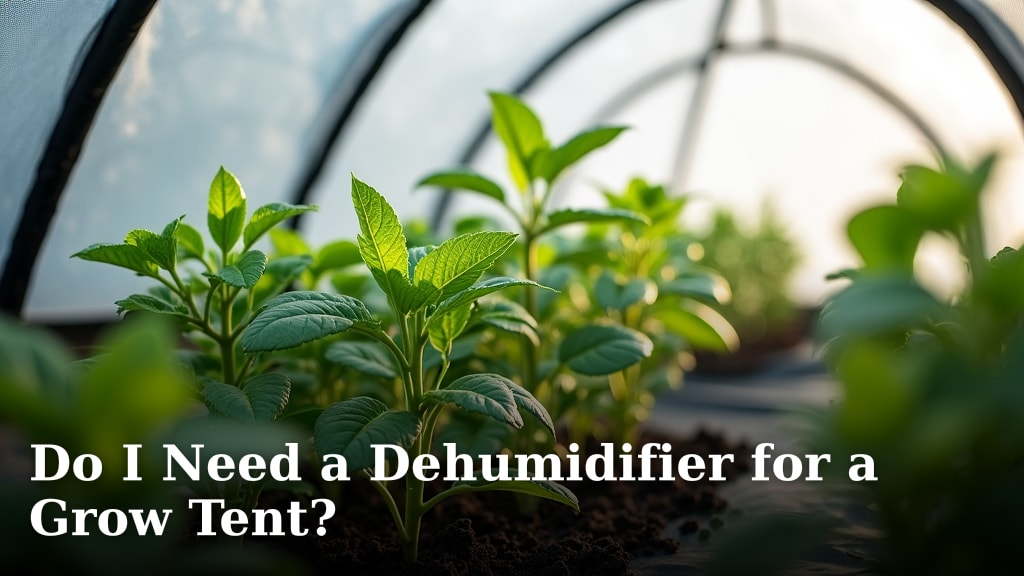
Yes, you likely need a dehumidifier for your grow tent, especially if you live in a humid climate or are growing plants that prefer lower humidity. Maintaining the right moisture level is key to preventing mold and ensuring healthy plant growth. Too much dampness can be a real problem for your plants.
Grow tents can trap moisture. This creates a perfect environment for pests and diseases to thrive. Finding that sweet spot for humidity helps your plants breathe better. It also helps them absorb nutrients more efficiently. Many growers find a dehumidifier makes a huge difference.
- Dehumidifiers help control moisture in grow tents.
- This prevents mold, mildew, and pest infestations.
- Proper humidity levels support healthy plant growth.
- You might need one depending on your climate.
- It’s an important tool for successful indoor growing.
Let’s look closer at why humidity control is so important in your grow tent and how a dehumidifier can help you achieve the perfect environment.
Should You Use a Dehumidifier in Your Grow Tent?
If you’re growing plants indoors, controlling humidity is often a big challenge. Many growers wonder if a dehumidifier is the answer. Research and many experienced growers say yes, it often is. Your grow tent environment can quickly become a breeding ground for issues if humidity gets out of hand. Think of it like this: too much moisture can make your plants sick, just like being caught in a constant drizzle can make you feel unwell.
So, do you *need* one? The answer really depends on a few things. Your local climate plays a huge role. If you live somewhere naturally damp, your tent will likely struggle to stay dry. Also, the type of plants you’re growing matters. Some love a tropical, humid environment, while others prefer it drier. But for most common indoor grows, managing humidity is essential for success.
Why Humidity Control Matters for Your Plants
Plants need a specific range of humidity to thrive. This range changes as they grow. For seedlings and clones, you usually want higher humidity. This helps them root and grow new leaves. As plants mature and especially when they start to flower, lower humidity becomes important. This is where managing moisture levels becomes a delicate balancing act.
The Dangers of High Humidity
When humidity levels climb too high in your grow tent, several problems can arise. You might think more moisture is always good, but it’s not. It creates an environment that is perfect for unwelcome guests.
Mold and Mildew May Thrive
High humidity is the best friend of mold and mildew. These fungi love damp, still air. Your plants’ leaves, stems, and even buds can become infected. Once mold takes hold, it can be very difficult to get rid of. It can also reduce your harvest quality and yield. Many plant diseases are fungal, and they all love a humid setup (CDC). This is the best friend of mold and mildew, so a dehumidifier can help prevent mold.
Pest Problems Can Escalate
Some common pests, like spider mites and fungus gnats, also prefer humid conditions. While not all pests love dampness, a consistently moist environment can encourage certain populations to explode. This means you’ll be battling both humidity issues and pests, which is twice the trouble.
Nutrient Uptake Can Be Hindered
Believe it or not, humidity affects how well your plants can absorb nutrients from the soil. When humidity is too high, plants tend to transpire (release water vapor) less. This process is actually linked to nutrient transport. If transpiration slows down too much, nutrient uptake can also be slowed. Your plants might look fine, but they aren’t getting the food they need.
The Risks of Low Humidity
On the flip side, humidity that’s too low can also cause problems. Plants can dry out too quickly. Their leaves might curl or droop. This can stunt growth and stress your plants. It’s all about finding that happy medium.
Stunted Growth and Leaf Damage
When the air is too dry, plants lose water faster than they can replace it. This leads to wilting and stunted growth. The edges of the leaves might turn brown and crispy. This is a clear sign your plants are under stress from low moisture.
Increased Risk of Certain Pests
While some pests like high humidity, others, like spider mites, can actually thrive in dry conditions too. They reproduce rapidly in environments where plants are already stressed by dryness. So, you can’t just let it get bone dry either.
Understanding Ideal Humidity Levels
The ideal humidity level for your grow tent changes depending on the stage of your plant’s life cycle. Most experts agree on general ranges, but always check what’s best for your specific strain or plant type.
Here’s a general guideline:
- Seedlings and Clones: 70-80% Relative Humidity (RH)
- Vegetative Stage: 50-70% RH
- Flowering Stage: 40-50% RH
- Late Flowering/Bud Hardening: 35-45% RH
You’ll notice that as plants get closer to harvest, you want the humidity to be lower. This helps prevent mold in dense buds and can even lead to denser, harder fruits or flowers.
How a Dehumidifier Helps Your Grow Tent
A dehumidifier works by pulling moisture out of the air. Most units have a collection tank that fills with water. Others can be drained continuously through a hose. They are designed to reduce humidity in enclosed spaces, which is exactly what a grow tent is.
Active Moisture Removal
Unlike passive solutions like ventilation, a dehumidifier actively removes water from the air. This gives you much more control. You can set a target humidity level, and the dehumidifier will work to maintain it. This is especially important during the flowering stages when you need to keep things drier.
Preventing Condensation
Grow tents are often made of non-breathable materials. When warm, moist air inside the tent hits the cooler tent walls, condensation forms. This is like dew forming on a cold glass of water. This trapped moisture can drip onto your plants. A dehumidifier helps reduce the overall moisture in the air, thus reducing condensation.
Consistency is Key
Maintaining a consistent environment is crucial for plant health. Fluctuations in temperature and humidity can stress plants. A dehumidifier, often paired with a humidifier and fans, helps create that stable, predictable environment you need for optimal growth.
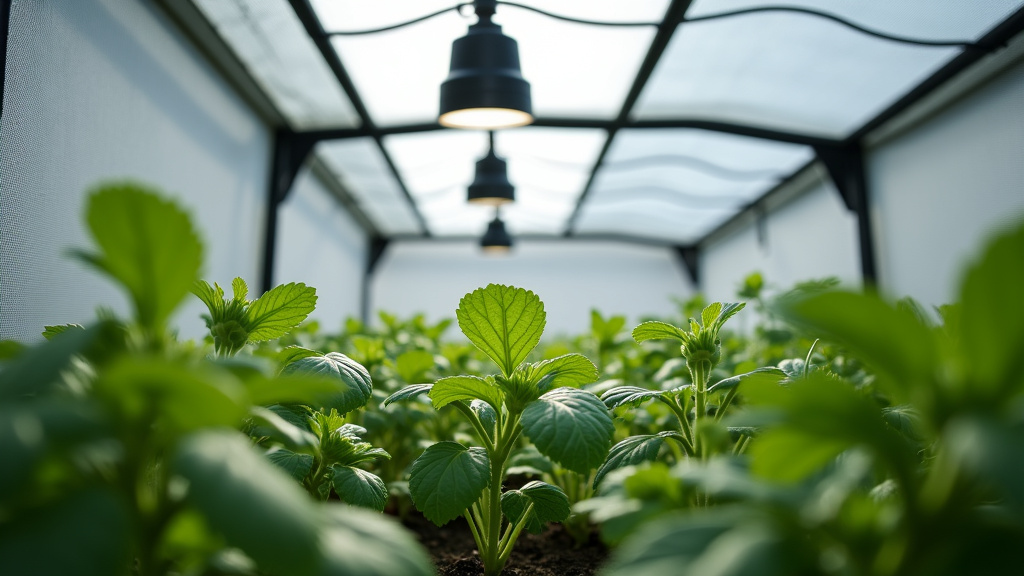
When You’ll Likely Need a Dehumidifier
So, when is it a definite yes for a dehumidifier? If any of these sound like your situation, you should strongly consider getting one:
- High Outdoor Humidity: If you live in a humid region like Florida, the Gulf Coast, or the Pacific Northwest, your outdoor air will constantly try to infiltrate your tent.
- Poor Ventilation: If your grow tent setup doesn’t have great airflow, moisture will build up quickly.
- Dense Plant Growth: When your tent is packed with foliage, plants transpire more, releasing a lot of moisture.
- Flowering Stage: As mentioned, this is when humidity control becomes critical to prevent bud rot.
- Overwatering Issues: If you tend to overwater, or your soil stays wet for too long, you’ll need help drying the air.
Choosing the Right Dehumidifier for Your Tent
Not all dehumidifiers are created equal, especially for grow tents. Size and capacity are important. You don’t want a giant industrial
Conclusion
Ultimately, whether you need a dehumidifier for your grow tent boils down to your specific environment and plants. You’ve learned how crucial humidity control is for preventing mold, pests, and ensuring healthy nutrient uptake. If you live in a humid area, have poor ventilation, or are in the flowering stage, a dehumidifier is likely a wise investment. Don’t let excess moisture sabotage your hard work. Take the next step and assess your grow tent’s humidity levels, then choose the right dehumidifier to maintain that perfect balance for thriving plants.
Frequently Asked Questions
How do I know if my grow tent is too humid?
You can tell if your grow tent is too humid by using a hygrometer, a small device that measures relative humidity. Look for visible signs like condensation on the tent walls or a musty smell. If your plants show signs of mold or drooping, high humidity could be the culprit.
Can I just use ventilation instead of a dehumidifier?
Ventilation helps, but it might not be enough on its own, especially in very humid climates or when your tent is densely planted. A dehumidifier actively removes moisture from the air, offering more precise control than just relying on air exchange.
What size dehumidifier do I need for my grow tent?
The size of dehumidifier you need depends on the cubic footage of your grow tent and the ambient humidity levels. For smaller tents, a compact unit is often sufficient, while larger tents may require a more powerful model. It’s better to have one that’s slightly too big than too small.
Will a dehumidifier make my grow tent too dry?
It’s possible if you don’t monitor it. Dehumidifiers can reduce humidity quickly, so using a hygrometer is essential. You might need to run it intermittently or set it to a specific target humidity level to avoid making the air too dry.
Are there any downsides to using a dehumidifier in a grow tent?
The main downsides are the initial cost and the need for electricity. Some units can also generate a bit of heat, which you’ll need to account for in your temperature control. You’ll also need to empty the water tank regularly or set up continuous drainage.
