
Do I Need a Dehumidifier for a Attic?
Yes, you probably need a dehumidifier for your attic, especially if you live in a humid climate. Attics can become a breeding ground for mold and mildew if they hold too much moisture. A dehumidifier can help prevent costly damage and keep your home healthier.
High humidity in an attic can lead to several problems. It can damage insulation and wooden structures. This can even affect the air quality throughout your home. Many experts recommend monitoring your attic’s moisture levels regularly.
- Attics can easily get too humid.
- Excess moisture can damage your home.
- Mold and mildew love damp attics.
- A dehumidifier is often the solution.
Let’s look at why attics get damp and what signs to watch out for.
When is an Attic Dehumidifier a Smart Investment?
So, you’re wondering if your attic needs a dehumidifier. It’s a great question, and the answer often leans towards a resounding yes, especially if you’re in a region known for its humidity. Attics are often overlooked spaces, but they play a huge role in your home’s overall health and comfort. When they get too damp, it can spell trouble.
Think of your attic like a forgotten attic space in your own home. It’s often closed off, with limited airflow, making it a prime spot for moisture to collect. If you’ve ever felt a musty smell creeping into your living space, that’s often the first sign your attic is holding onto too much moisture. This dampness can lead to a whole host of problems, from damaging your home’s structure to impacting your family’s health.
Understanding Attic Humidity: Why Does It Happen?
Your attic is like a sponge, waiting to soak up moisture. Several things can contribute to a damp attic environment. It’s not just about the weather outside, though that’s a big factor. We need to look at how your home breathes and where moisture might be sneaking in.
Sources of Moisture in Your Attic
Moisture doesn’t just appear out of thin air. It has to come from somewhere. Let’s break down the most common culprits:
- Exterior Leaks: This is the most obvious one. A leaky roof, damaged flashing around vents, or gaps in the siding can all allow rainwater or snowmelt to seep into your attic. Even a tiny drip over time can create a significant moisture problem.
- Condensation: This is a big one, especially in colder climates. Warm, moist air from your living space can rise into the attic. When this warm air hits the cold surfaces of your attic (like the underside of the roof or ducts), the moisture condenses. It’s like seeing your breath on a cold day.
- Improper Ventilation: Many attics rely on a balance of airflow to keep moisture in check. If your attic is poorly ventilated, warm, humid air gets trapped, leading to condensation and dampness. Think of it like a stuffy room with no open windows.
- Appliance Vents: Are your clothes dryer or bathroom exhaust fans venting directly into the attic? This is a big no-no. These appliances pump a lot of warm, moist air into an enclosed space, creating a perfect breeding ground for mold.
- Household Activities: Even everyday activities like cooking and showering release moisture into the air. If your home isn’t well-sealed, some of that moisture can find its way into your attic.
The Role of Climate and Location
Where you live plays a significant role. If you’re in a region with high humidity, like the Southern United States, your attic is naturally going to be more susceptible to dampness. Coastal areas also tend to have higher humidity levels. Even areas that experience significant temperature swings can face condensation issues as warm, moist air meets cold surfaces.
Signs Your Attic is Too Humid
You might be wondering, “How do I know if my attic is actually damp?” Luckily, there are several tell-tale signs. Keep an eye out for these indicators, and don’t ignore them!
Physical Signs in the Attic
When you venture into your attic, what should you be looking for? The visual cues can be quite alarming.
- Musty Odors: This is often the first thing homeowners notice. That damp, earthy smell isn’t just unpleasant; it’s a sign that mold and mildew might be growing. This smell can even travel down into your living spaces.
- Visible Mold or Mildew: Look for fuzzy patches of black, green, or white growth on wood framing, insulation, or stored items. This is a clear indication of excessive moisture.
- Water Stains: Dark spots or streaks on the underside of your roof sheathing, rafters, or attic floorboards are signs of past or present water leaks and condensation.
- Damp or Soggy Insulation: Insulation works best when it’s dry. If your insulation feels wet, looks compressed, or is starting to clump together, it’s lost its effectiveness and is likely holding onto moisture.
- Condensation on Surfaces: You might see small water droplets forming on metal surfaces like HVAC ductwork or pipes. This is a direct result of warm, moist air meeting cooler materials.
Signs in the Rest of Your Home
The problems in your attic don’t always stay there. They can start to affect your home’s overall health.
- Peeling Paint or Warped Wood: If you notice paint bubbling or peeling on ceilings or walls, especially near the top of your house, or if wooden trim seems to be warping, excess moisture could be the culprit.
- Increased Allergies or Respiratory Issues: Mold and mildew produce spores that can become airborne. If you or your family members are experiencing more allergy symptoms, asthma flare-ups, or respiratory problems, it could be linked to mold growth in your attic.
- High Energy Bills: Wet insulation doesn’t insulate effectively. This means your HVAC system has to work harder to keep your home warm in the winter and cool in the summer, leading to higher energy bills.
We found that a simple hygrometer (a device that measures humidity) placed in the attic can give you a direct reading. Many experts recommend keeping attic humidity levels below 60% to prevent mold growth (CDC).
How a Dehumidifier Helps Your Attic
A dehumidifier is essentially an appliance that removes moisture from the air. It works by drawing in humid air, cooling it to condense the water vapor, and then releasing drier air back into the space. In an attic, this can be a game-changer for controlling dampness.
Preventing Mold and Mildew Growth
Mold and mildew thrive in damp environments. By actively removing moisture, a dehumidifier creates an unfavorable environment for these fungi. This prevents them from growing on your attic’s surfaces and spreading their spores throughout your home. We found that consistently low humidity levels are key to mold prevention.
Protecting Your Home’s Structure
Wood and other building materials can be damaged by prolonged exposure to moisture. This can lead to rot, warping, and even structural instability over time. A dehumidifier helps protect these vital components of your home. It’s like giving your attic a protective shield against the damaging effects of dampness.
Improving Air Quality
As we mentioned, mold spores and other allergens can be released into your home from a damp attic. By controlling humidity and preventing mold growth, a dehumidifier contributes to better indoor air quality for your entire family. Cleaner air means a healthier living environment.
Boosting Insulation Effectiveness
Wet insulation loses its R-value, meaning it can’t keep heat in or out as effectively. Keeping your attic insulation dry ensures it performs at its best, helping to maintain comfortable temperatures and potentially lowering your energy costs. Think of it as keeping your home’s blanket fluffy and dry.
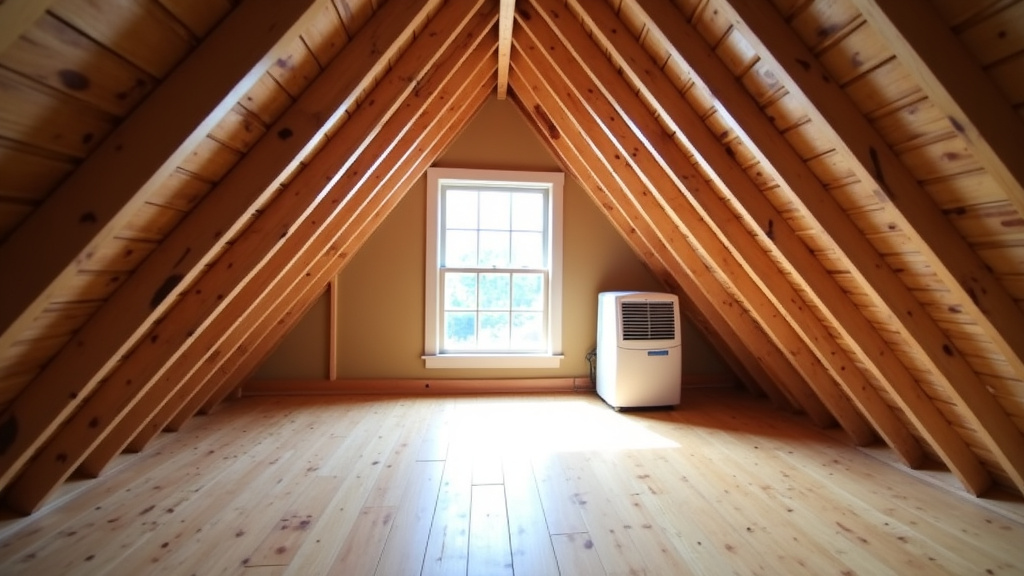
Choosing the Right Dehumidifier for Your Attic
Not all dehumidifiers are created equal, especially when it comes to attic use. You need a unit that can handle the unique conditions of an attic space. Here’s what to consider:
Capacity and Size
Dehumidifier capacity is measured in pints of water removed per day. Attics can be large and often have poor airflow, so you’ll likely need a unit with a higher capacity than you might use in a small bathroom. Check the manufacturer’s recommendations based on square footage and your estimated humidity levels. Many experts suggest sizing up for attics.
Drainage Options
Dehumidifiers collect water in a tank that needs to be emptied regularly. In an attic, this can be inconvenient. Look for models with a continuous drain hose option. This allows you to connect a hose that can drain the collected water into a floor drain, sump pump, or even outside (if feasible and permitted). This automation saves you a lot of trips up and down the attic stairs.
Operating Temperature Range
Attics can experience a wide range of temperatures, sometimes dropping below freezing in winter or becoming very hot in summer. Ensure the dehumidifier you choose is designed to operate effectively within the typical temperature range of your attic. Some models have special features for colder environments.
Durability and Features
Consider a unit that is built for continuous operation and durability. Features like an automatic humidistat (which maintains a set humidity level), a built-in pump (if a drain hose isn’t an option), and an auto-defrost function can make managing your attic dehumidifier much easier.
Dehumidifier vs. Ventilation: What’s the Difference?
It’s important to understand that a dehumidifier and proper attic ventilation serve different, though sometimes complementary, purposes.
- Ventilation allows fresh air to circulate in and out of the attic, helping to equalize temperature and humidity with the outside. It’s like opening windows for your house.
- Dehumidifiers actively remove moisture from the air already present in the attic. They don’t necessarily bring in fresh air.
In many cases, both are needed. Good ventilation helps prevent moisture buildup, but if your attic is already too damp or external factors are overwhelming the ventilation, a dehumidifier becomes essential. Many building codes require a balance of intake and exhaust ventilation for attics. We found that the most effective moisture control often involves a combination of strategies.
Your Attic Moisture Control Checklist
Ready to take action? Here’s a quick checklist to help you assess and manage your attic’s humidity:
Inspect for Leaks: Regularly check your roof and attic for any signs of water intrusion.
Monitor Humidity Levels: Use a hygrometer to track the moisture content in your attic.
Check Ventilation: Ensure your attic has adequate intake and exhaust vents working properly.
Seal Air Leaks: Seal any gaps or cracks where warm, moist air from your home can enter the attic.
Consider a Dehumidifier: If humidity remains high despite other measures, invest in an appropriately sized dehumidifier.
Professional Assessment: If you’re unsure, consult a home inspector or HVAC professional.
Conclusion
You’ve learned a lot about attic humidity and why it’s a problem. Damp attics can lead to mold, structural damage, and poor air quality. We’ve seen that simple checks like looking for mold or musty smells are important. If your attic is consistently humid, especially in a humid climate, a dehumidifier is often the best solution. It actively removes moisture, protecting your home and health. Take the next step and assess your attic’s moisture levels today to ensure a healthier home environment.
Frequently Asked Questions
How often should I run my attic dehumidifier?
You should run your attic dehumidifier whenever the humidity level is above 60%. Many modern units have automatic humidistats that maintain your desired level. Consistent monitoring ensures it only runs when necessary, saving energy.
Can a dehumidifier freeze in a cold attic?
Yes, standard dehumidifiers can freeze in very cold temperatures. Look for models specifically designed for attics or basements that can operate in lower temperatures, often featuring an auto-defrost function.
What is the ideal humidity level for an attic?
The ideal humidity level for an attic is generally below 60%. Keeping it in this range helps prevent mold and mildew growth. Some experts recommend aiming for 50% for optimal protection.
Do I need a professional to install an attic dehumidifier?
While many dehumidifiers can be set up by homeowners, especially those with continuous drain options, professional installation might be recommended. A professional can ensure proper placement, ventilation, and electrical setup for safety and efficiency.
How large of a dehumidifier do I need for my attic?
The size, or capacity, depends on your attic’s square footage and the severity of the humidity. Generally, attics need a larger capacity unit than typical living spaces. Check manufacturer guidelines for recommendations based on your specific attic size and humidity conditions.
