
Can I Move Dehumidifier for Room to Room?
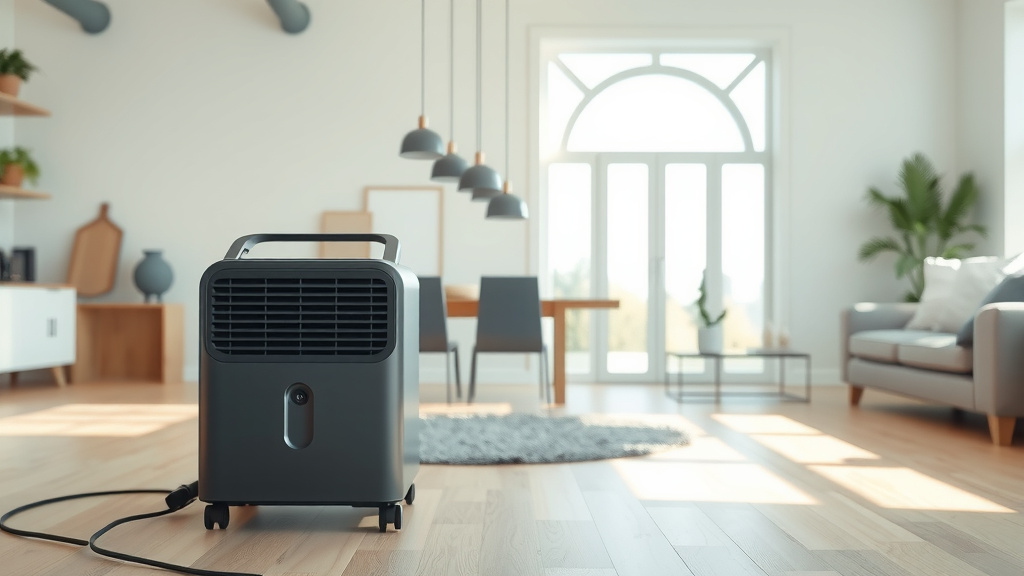
Yes, you absolutely can move a dehumidifier from room to room to tackle humidity wherever it’s highest.
For best results, always empty its water reservoir and allow the unit to settle for a short period before restarting in its new spot.
- Moving your dehumidifier is totally fine, but give it a little time to adapt in each new space.
- Always empty the water tank before relocating to prevent messy spills and potential damage.
- Consider the room’s size and make sure all windows and doors are closed for the best efficiency.
- Portable units are built for this kind of flexibility, making it easier to control humidity where you need it most.
- Placement truly matters: keep your unit away from walls and furniture to ensure optimal airflow and performance.
Can I Move Dehumidifier for Room to Room?
Absolutely! Many homeowners frequently move their portable dehumidifiers to manage humidity levels in different areas of their home. It’s designed for this flexibility, letting you target moisture issues wherever they pop up.
Why You Might Move Your Dehumidifier
You might find humidity spikes in various rooms throughout the day or season. Perhaps the bathroom gets steamy after showers, or the basement feels damp during rainy spells. Moving your dehumidifier allows you to address these specific problem areas as needed.
We’ve found that rotating a single unit can be a cost-effective strategy compared to buying multiple dehumidifiers. It’s like having a humidity superhero that can be deployed anywhere!
Quick Checklist Before the Move
Before you pick up your unit, a few quick checks can save you hassle. Think of it as preparing for a mini-adventure. This ensures a smooth transition and optimal performance in the next room.
- Unplug the unit: Always disconnect power first for safety.
- Empty the water tank: This is crucial to prevent spills.
- Check the filter: A clean filter means better efficiency later.
- Inspect for damage: A quick glance ensures no new issues.
- Coil the cord: Tidy up the power cord to avoid tripping hazards.
The Art of Relocation: Moving Your Dehumidifier Safely
Moving a dehumidifier isn’t rocket science, but doing it right prevents damage. Treat it gently, just like any other appliance. Careful handling extends its lifespan and keeps it working well.
Always lift it using both hands, from the base if possible. Avoid dragging it, which can damage the compressor or internal components. If it has wheels, use them on flat surfaces; otherwise, lift and carry.
Settling In: Post-Move Best Practices
Once your dehumidifier is in its new spot, don’t just plug it in and hit “on.” Many experts suggest letting it sit upright for about 30-60 minutes before plugging it back in. This allows the compressor fluids to settle, similar to how you’d treat a refrigerator after moving it (ASHRAE guidelines often point to this practice for refrigeration units).
This settling time helps protect the compressor, ensuring it starts up properly. It’s a small step that can make a big difference in your unit’s longevity.
Placement Matters: Where to Put It in a New Room
Where you place your dehumidifier significantly impacts its effectiveness. Think of it like a fan: it needs space to work. Position it in a central location, if possible, away from walls and furniture.
Avoid placing it directly against a wall or in a corner. Research shows that units need about 6-12 inches of clearance on all sides for proper airflow (EPA recommendations for air purifiers often suggest similar clearances for optimal performance). This allows moist air to enter freely and dry air to circulate.
Understanding Room Size vs. Dehumidifier Capacity
Your dehumidifier has a specific capacity, usually measured in pints per day. A unit designed for a small bedroom won’t effectively tackle a large basement. Before moving, consider the size of the target room.
If you have a 30-pint unit and move it to a very large, damp area, it might run constantly without reaching your desired humidity. We’ve found that matching the capacity to the room size is key for efficient operation.
| Room Size (Approx. Sq. Ft.) | Recommended Dehumidifier Capacity (Pints/Day) |
|---|---|
| Small (up to 500) | 20-30 Pints |
| Medium (500-1000) | 30-50 Pints |
| Large (1000-1500) | 50-70 Pints |
| Extra Large (1500+) | 70+ Pints |
Drainage Dilemmas: Emptying the Tank
The most common issue when moving a dehumidifier is forgetting about the water tank. It’s like carrying a leaky bucket! Always empty the reservoir completely before moving.
If your unit has a continuous drain hose attached, disconnect it before moving. Reattach it securely in the new location if you plan to use this feature again. This avoids unwanted spills and potential water damage.
When is Moving Not the Best Option?
While moving is generally fine, sometimes it’s not the most practical solution. If you have consistently high humidity in multiple, large areas, a single portable unit might not keep up. You’d be constantly moving it, which can be a chore.
For whole-house humidity control, or very large, chronically damp spaces, a dedicated basement dehumidifier or a whole-house system might be a better choice. We’ve found that trying to dehumidify a whole home with one small portable unit is often futile.
Maximizing Efficiency in Every Room
To get the most out of your dehumidifier in each new room, remember to close all windows and doors. Think of it as trying to cool your house with the windows open; it just won’t work effectively. Sealing the room prevents outside humidity from entering.
Also, set the humidity level appropriately. Many experts recommend aiming for around 45-50% relative humidity for optimal comfort and to deter mold growth (CDC guidelines often cite this range for indoor air quality). Your unit will work to reach and maintain this setting.
Tips for Optimal Humidity Control
A few simple practices can make your dehumidifier work better, no matter where it is. Consider these points to enhance its performance and your comfort.
Regularly clean the air filter, usually every few weeks. A dirty filter restricts airflow, forcing the unit to work harder. We’ve observed that a clean filter can improve efficiency by up to 15-20%.
Conclusion
Moving your dehumidifier from room to room is not only possible but often a smart and economical way to manage varying humidity levels throughout your home. Just remember to treat it kindly: empty the tank, allow it to settle, and place it thoughtfully in its new location.
By following these simple steps, you can ensure your portable dehumidifier continues to be a reliable guardian against excess moisture, providing comfort and protection wherever it’s needed most. Happy dehumidifying!
What’s the best way to prepare my dehumidifier for moving?
Always unplug the unit, empty its water reservoir completely, and coil the power cord neatly. If you use a continuous drain hose, disconnect it first. This prepares it safely for transport.
How long should I wait before turning on my dehumidifier after moving it?
It’s generally recommended to let your dehumidifier sit upright for at least 30-60 minutes in its new location before plugging it in and turning it on. This allows the compressor fluids to stabilize.
Can I move a dehumidifier upstairs if it was previously in the basement?
Yes, you can move a dehumidifier from the basement to an upstairs room. Just follow the same preparation steps. Ensure the upstairs room is sealed (windows/doors closed) for the best results.
Does moving a dehumidifier frequently damage it?
If moved carefully and correctly (emptying the tank, allowing settling time), frequent relocation shouldn’t damage a portable dehumidifier. These units are designed with mobility in mind.
Is it better to have one large dehumidifier I move around, or several smaller ones?
For occasional, targeted humidity issues, one portable unit you move is often more practical and cost-effective. If you have widespread, consistent high humidity in multiple large areas, several smaller units or a larger dedicated one might be more efficient.
