
Do I Need a Dehumidifier for a Mobile Home?
Yes, you might very well need a dehumidifier for your mobile home, especially if you live in a humid climate or notice signs of excess moisture. Mobile homes are often built with different materials than traditional houses, making them potentially more susceptible to moisture issues like mold and mildew. Addressing this early can save you a lot of headaches and expense down the road.
High humidity levels can cause a range of problems in any home, but in a mobile home, these can be amplified. You might start noticing a musty smell, condensation on windows, or even peeling wallpaper. These are all indicators that your home’s air is too damp, and a dehumidifier could be a smart solution to manage this moisture problem effectively.
- Mobile homes can be more prone to humidity issues.
- Signs of high humidity include musty smells and condensation.
- A dehumidifier can help control moisture.
- Addressing humidity protects your home from mold and damage.
Let’s walk through why mobile homes might struggle with humidity and how a dehumidifier can help protect your space.
Is Your Mobile Home a Little Too Humid?
You’re probably wondering if your mobile home needs a dehumidifier. It’s a smart question to ask! Mobile homes can sometimes have different building materials or construction methods than traditional houses. This means they can be a bit more sensitive to moisture.
If you’ve noticed any dampness, a musty smell, or condensation, it’s a clear signal. Your home’s air might be holding onto too much water. A dehumidifier is a fantastic tool to help manage this. It can protect your home and make it a more comfortable place to live.
Why Mobile Homes Might Be More Prone to Humidity
Several factors can contribute to higher humidity levels in mobile homes. Understanding these can help you spot the problem early.
Construction Materials and Insulation
Many mobile homes use materials like particleboard or certain types of insulation. These can sometimes absorb and hold moisture more readily. This trapped moisture can then be released into the air. It’s like a sponge holding onto water. When that sponge is inside your walls, the water eventually escapes into your living space.
Air Sealing and Ventilation
Older mobile homes, in particular, might not be as tightly sealed as newer or traditional homes. This can allow humid outside air to creep in more easily. On the flip side, some mobile homes can be too well-sealed. This can trap moisture generated inside the home. Things like cooking, showering, and even breathing add moisture to the air.
Proper ventilation is key. Without it, that moisture has nowhere to go. You might feel like you’re living in a terrarium. Many mobile homes have limited passive ventilation. This makes mechanical solutions like dehumidifiers more important.
Climate Considerations
Where you live plays a big role. If you’re in a humid region, like the Southeast or along the coast, your mobile home will naturally be exposed to more moisture. Even during drier months, overnight dew or occasional rain can raise indoor humidity.
Think of it this way: if it’s humid outside, and your home isn’t perfectly sealed, that damp air is going to find its way in. Your AC can help a little, but it’s not designed to be a primary moisture remover. It primarily cools the air.
Signs You Might Need a Dehumidifier
Your senses are your best tools here! Pay attention to what your mobile home is telling you.
The “Musty” Smell Test
This is often the first clue. A persistent damp, musty, or earthy odor is a strong indicator of excess moisture. This smell is usually caused by mold or mildew starting to grow. They thrive in damp environments. You don’t want that smell to become your home’s signature scent.
Condensation on Windows and Walls
Do you see water droplets forming on your windows, especially in the morning? This is called condensation. It happens when warm, moist air comes into contact with a cooler surface. It’s like the outside of a cold drink on a summer day. This condensation is a clear sign of high indoor humidity.
You might also notice it on your walls, mirrors, or even metal fixtures. If you’re wiping down windows regularly, it’s time to consider a dehumidifier.
Visible Mold or Mildew Growth
This is a more serious sign. Mold and mildew appear as fuzzy or slimy patches. They can be black, green, white, or even orange. You’ll often find them in bathrooms, kitchens, basements, or any area that tends to stay damp. This growth means your humidity levels have been high for a while.
Catching mold early is important. It can affect your home’s structure and your health. A dehumidifier can help prevent future growth by keeping the air dry.
Feeling “Sticky” or Clammy
Does the air in your home feel heavy and damp, even when it’s not overly hot? This “clammy” feeling is a direct result of high humidity. Your sweat doesn’t evaporate as easily when the air is already full of moisture. This can make you feel uncomfortable and sticky.
This feeling isn’t just unpleasant; it can also make your home feel warmer than it actually is. You might find yourself running your air conditioner more, which can be costly. A dehumidifier can help make the air feel much more pleasant at a lower AC setting.
Sticky Doors and Drawers
Moisture can cause wood to swell. If your cabinet doors are sticking, or drawers are hard to open and close, it’s often due to humidity. The wood absorbs moisture from the air and expands. This can warp doors and make them difficult to operate.
This swelling can affect more than just your cabinets. It can cause issues with window frames and even doors within your mobile home. It’s a subtle sign that the wood in your home is taking on moisture.
How a Dehumidifier Helps Your Mobile Home
A dehumidifier works like a mini air conditioner for moisture. It pulls air in, cools it down to condense the water, and then releases drier air back into the room.
Reducing Mold and Mildew Potential
This is perhaps the most important benefit. By lowering the humidity level, a dehumidifier makes it much harder for mold and mildew to grow. Many experts recommend keeping indoor humidity levels between 30% and 50% (CDC). A dehumidifier helps you maintain this healthy range.
This protection extends beyond just the visible surfaces. Mold spores can hide in carpets, upholstery, and HVAC systems. Keeping the air dry discourages their proliferation throughout your home.
Protecting Your Home’s Structure and Contents
Excess moisture can damage more than just paint and wallpaper. It can rot wood, warp materials, and even affect electrical components over time. High humidity can also be hard on your belongings, from furniture to books and electronics.
Think of it as preventative maintenance for your home. A dehumidifier helps preserve the integrity of your mobile home’s structure. It also safeguards your possessions from moisture-related wear and tear.
Improving Indoor Air Quality
Mold and mildew aren’t just unsightly; they release spores into the air that can affect your health. These spores can trigger allergies, asthma, and other respiratory problems. Reducing moisture helps to reduce these airborne irritants.
Cleaner air means a healthier living environment for you and your family. You’ll breathe easier, both literally and figuratively. It contributes to overall well-being within your home.
Increasing Comfort and Reducing Energy Costs
As mentioned earlier, high humidity makes the air feel warmer and more uncomfortable. By removing excess moisture, a dehumidifier can make your home feel cooler. This means you might be able to set your thermostat a few degrees higher.
This adjustment can lead to noticeable savings on your energy bills. Your air conditioner won’t have to work as hard to achieve comfort. It’s a win-win for your comfort and your wallet.
Choosing the Right Dehumidifier for Your Needs
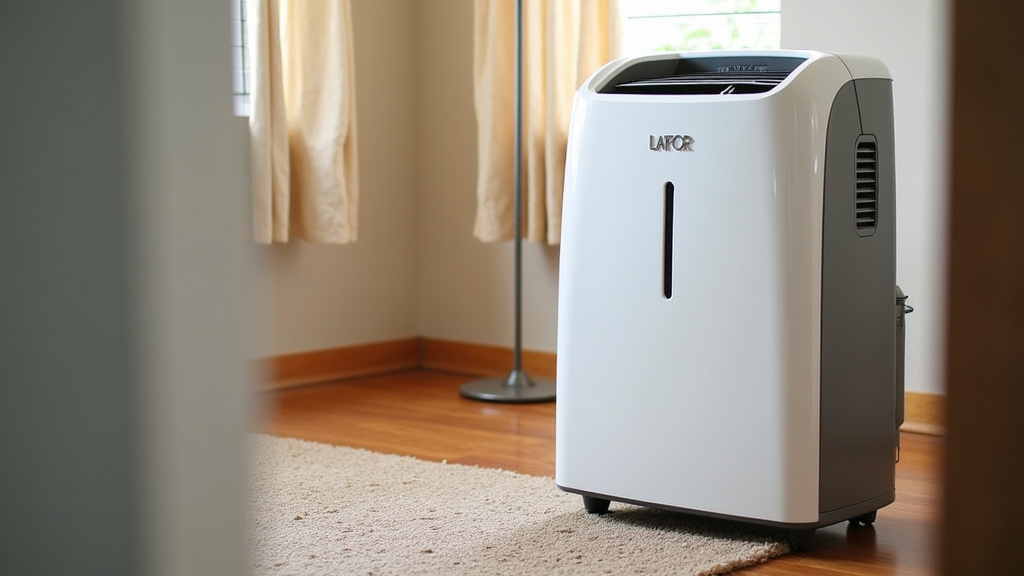
Not all dehumidifiers are created equal. For a mobile home, you’ll want to consider size and capacity. For a mobile home, you’ll want to consider the unit’s size and capacity.
Sizing Your Dehumidifier
Dehumidifiers are typically rated by the amount of water they can remove per day (in pints) and the square footage they can cover. For a small to medium-sized mobile home, a unit designed for 1000-1500 square feet is often sufficient.
If you have a particularly damp area, like a basement or a very humid climate, you might need a larger capacity unit. Always check the manufacturer’s recommendations for room size and capacity. It’s better to have a slightly larger unit than one that struggles to keep up.
Portability and Drainage
Consider where you plan to use the dehumidifier. If you need to move it between rooms, a unit with caster wheels and handles is a good idea. Most dehumidifiers have a water tank that needs to be emptied manually.
However, many models also offer a continuous drainage option. This involves attaching a hose to drain the collected water directly into a floor drain or sink. This is a lifesaver if you don’t want to empty the tank daily. It’s especially useful for larger units or very humid conditions.
Simple Steps to Manage Humidity in Your Mobile Home
A dehumidifier is a great tool, but it works best as part of a larger strategy. Here’s a quick checklist:
- Use exhaust fans: Turn on your bathroom fan when showering and your kitchen fan when cooking. Let them run for 15-20 minutes afterward.
- Ventilate properly: Open windows on dry days to allow fresh air circulation.
- Check for leaks: Repair any plumbing leaks or roof leaks immediately.
- Avoid drying clothes inside: If possible, dry laundry outdoors or use a vented dryer.
- Use lids on pots and pans: This helps reduce steam when cooking.
- Monitor humidity levels: Use a simple hygrometer (humidity gauge) to keep track.
Conclusion
Your mobile home might be more sensitive to moisture than you think. From construction materials to ventilation, several factors can lead to high humidity. Fortunately, recognizing the signs like musty smells and condensation is the first step. A dehumidifier can be a powerful tool to combat these issues. It helps protect your home’s structure, improve air quality, and increase your comfort. Take charge of your home’s environment by implementing these strategies and considering a dehumidifier.
Frequently Asked Questions
How often should I empty the dehumidifier in my mobile home?
This depends on the unit’s size and how humid your home is. You might need to empty a smaller tank daily, while larger units with continuous drainage require less manual effort. It’s wise to check it regularly until you get a feel for its capacity.
Can a dehumidifier actually help my air conditioner work better?
Yes, it can! High humidity makes the air feel warmer and stickier, causing your AC to run longer. By removing moisture, a dehumidifier makes the air feel cooler, allowing your AC to cycle less and potentially saving you money on energy bills.
What’s the ideal humidity level for a mobile home?
Experts generally recommend keeping indoor humidity levels between 30% and 50%. You can easily monitor this with a small, inexpensive device called a hygrometer. Staying within this range helps prevent mold growth and improves comfort.
Will a dehumidifier fix a mold problem I already have?
A dehumidifier is a preventative tool; it won’t remove existing mold. You’ll need to clean up any visible mold and mildew first. Then, the dehumidifier will help prevent it from returning by keeping the environment too dry for mold to thrive.
Are there any downsides to running a dehumidifier all the time?
Running a dehumidifier constantly can dry out the air too much, which might become uncomfortable for some people or potentially damage wood furnishings. It’s best to monitor humidity levels with a hygrometer and set the dehumidifier to maintain your desired range, rather than letting it run nonstop without control.
