
Can I Put a Dehumidifier in My Attic?
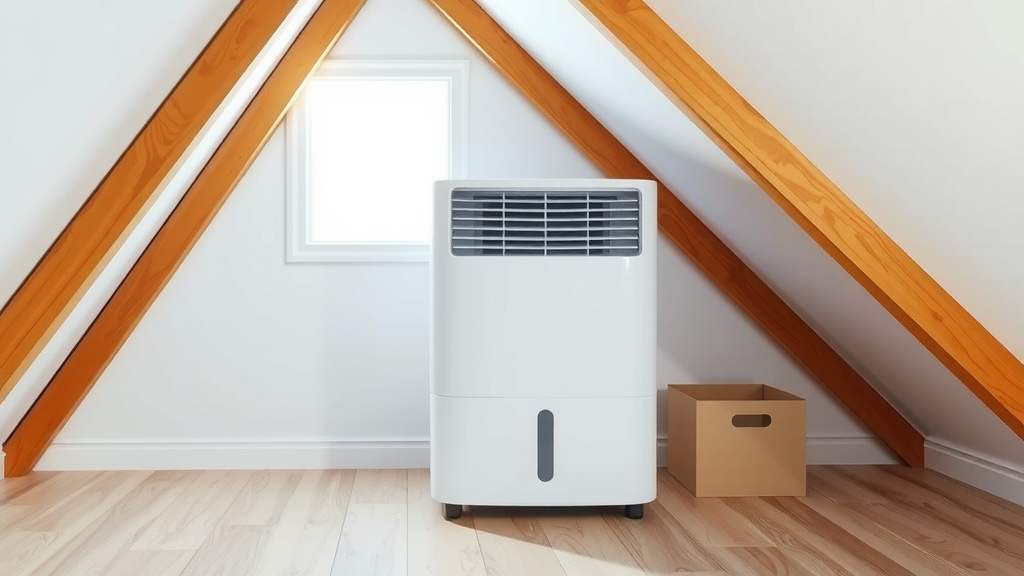
Yes, you can absolutely put a dehumidifier in your attic, but it is not always the best solution.
Placing a dehumidifier in your attic can help control moisture, but careful planning and specific conditions are needed for it to work properly and safely.
- A dehumidifier can tackle high humidity in your attic, preventing mold and wood rot.
- However, attics often have extreme temperatures, which can make a standard unit inefficient or even damage it.
- Proper drainage for the collected water is a must, usually requiring a condensate pump.
- You’ll need a suitable power source and easy access for maintenance to keep it running well.
- Consider professional advice to determine if an attic dehumidifier is the right fit for your home.
Can I Put a Dehumidifier in My Attic?
Generally, yes, you can place a dehumidifier in your attic. This can be a smart move if you are battling excessive moisture up there. The key is to understand the specific challenges of an attic environment.
Why Consider a Dehumidifier for Your Attic?
Attics are often hidden spaces, but they play a big role in your home’s health. High humidity in an attic is a common problem. It can lead to all sorts of unwelcome issues that affect your whole house.
The Silent Enemy: High Humidity
Think of your attic as your home’s lid. If moisture gets trapped, it creates a damp, stuffy atmosphere. This is where a dehumidifier steps in. It works to pull that extra moisture from the air, making it dryer.
Protecting Your Home’s Structure
Excess moisture can harm your home. It causes wooden beams to warp or rot over time (Environmental Protection Agency). This weakens your roof structure. A dehumidifier helps keep those vital parts dry and sturdy.
Stopping Mold and Mildew
No one wants mold. High humidity is a perfect breeding ground for it. Mold can grow on insulation, wood, and even stored items. Running a dehumidifier helps keep mold spores from settling and spreading. It keeps your attic a much healthier space.
Keeping Pests Away
Damp, musty areas often attract certain pests. Insects like termites, silverfish, and cockroaches love humid environments. By lowering humidity, you make your attic less appealing to these unwanted visitors. It is like telling them, “Sorry, no vacancy!”
The Unique Challenges of an Attic Environment
While a dehumidifier offers many benefits, an attic is not a typical living space. It comes with its own set of hurdles. You need to prepare for these unique conditions to avoid problems.
Temperature Extremes: A Dehumidifier’s Foe
Attics experience wide temperature swings. They can be scorching hot in summer and freezing cold in winter. Most standard dehumidifiers are designed for more stable indoor temperatures (around 65-90°F). Many experts say extreme heat or cold reduces their efficiency. It can even damage the unit over time.
Dealing with Condensate Drainage
Dehumidifiers collect water. In an attic, getting rid of this water can be tricky. You cannot just let it overflow. You will need a reliable drainage solution. This usually means running a drain line to an existing pipe or using a condensate pump to push water to a suitable spot.
Power and Accessibility
Does your attic have a proper electrical outlet? Many older attics might not. You will need a dedicated, safe power source. Also, consider access. You will need to reach the unit for filter changes and routine checks. Crawling over insulation is not ideal for regular maintenance.
Choosing the Right Dehumidifier for Your Attic
Not just any dehumidifier will do. Picking the correct type is essential for success. You need a unit built to handle the unique attic environment.
Dedicated Attic Dehumidifiers
Some companies make specific dehumidifiers for attics or crawl spaces. These are often called “whole-house” or “ducted” dehumidifiers. We found they are designed to work in wider temperature ranges. They are also more robust and often include a built-in pump for drainage.
Standard vs. Specialty Units
A typical portable dehumidifier might struggle in an attic. Its warranty might even be voided if used outside its intended temperature range. Specialty units cost more upfront but offer better performance and longevity in tough attic conditions.
Sizing It Correctly
The size of the dehumidifier matters. A small unit will not do enough. A too-large one might cycle on and off too often, wasting energy. The capacity is measured in pints per day. You need to match this to your attic’s size and humidity level (ASHRAE guidelines can help with this).
Installation Checklist for Your Attic Dehumidifier
Before you even buy a unit, run through this quick checklist. It helps ensure you are ready for the installation process.
- Check Attic Temperature: Are temps consistently within your chosen unit’s operating range?
- Inspect for Leaks: Seal any roof leaks or gaps where moisture gets in.
- Assess Insulation: Is your attic properly insulated and ventilated?
- Locate Power Source: Is there a safe, dedicated electrical outlet nearby?
- Plan Drainage: Identify where the condensate water will go and how.
- Ensure Access: Can you easily reach the unit for maintenance?
Steps for a Successful Attic Dehumidifier Setup
Once you have picked your unit and done your checks, it is time for installation. We found that proper setup prevents future headaches. This often involves a few key steps.
Finding the Perfect Spot
Place the dehumidifier on a stable, level surface. It should be away from vents that might blow air directly into it. Make sure there is enough clearance around the unit for proper airflow. This helps it work most efficiently.
Setting Up Drainage
This is crucial. If your unit has a built-in pump, follow its instructions for running the drain line. If it relies on gravity, you will need a downward slope for the hose. Ensure the water drains away safely and does not create new problems.
Powering It Up
Plug the unit into a grounded outlet. Avoid extension cords if possible. If you must use one, ensure it is a heavy-duty, outdoor-rated cord. Check that the circuit can handle the dehumidifier’s power draw. Research suggests a dedicated circuit is sometimes best (National Electrical Code).
Maintenance: Keeping Your Dehumidifier Happy
Like any appliance, a dehumidifier needs regular care. Neglecting it will lead to poor performance or even unit failure. A little effort goes a long way.
Filter Cleaning and Replacement
The air filter gets dusty. A dirty filter blocks airflow and reduces efficiency. Clean or replace it every few months, more often if your attic is dusty. This simple step keeps your unit running smoothly.
Checking for Icing
In colder months, coils can sometimes ice up. This happens if the attic temperature drops too low. If you see ice, turn off the unit and let it defrost naturally. This helps prevent damage to the compressor.
Regular Inspections
Periodically check the drain line for clogs. Look for any strange noises or smells. These could signal a problem. Early detection can prevent small issues from becoming big, expensive repairs.
When to Call a Professional
Sometimes, DIY is not the best route. If you are unsure about wiring, drainage, or choosing the right unit, get help. An HVAC professional can assess your attic and recommend the best solution. They can also ensure a safe and proper installation.
Alternatives to an Attic Dehumidifier
Maybe a dehumidifier is not the best fit for your situation. There are other ways to control attic moisture. We found that a combination of approaches often works best.
Improving Ventilation
Good ventilation is key. Ridge vents, soffit vents, and gable vents allow air to flow through the attic. This helps carry moisture out naturally. Power attic vents can also help, especially in very warm climates.
Sealing Air Leaks
Air from your living space often carries moisture into the attic. Seal any gaps around light fixtures, plumbing stacks, and attic hatches. This helps keep humid air where it belongs, inside your home, not in the attic.
Proper Insulation
Well-insulated attics help regulate temperature. This prevents condensation from forming on cold surfaces. Insulation also keeps your cooled home air from escaping into the attic during summer. Research often connects proper insulation with better humidity control (Department of Energy).
| Consideration | Attic Dehumidifier | Improved Ventilation & Sealing |
|---|---|---|
| Direct Moisture Removal | Excellent for active moisture removal | Helps remove moisture naturally with airflow |
| Temperature Range | Sensitive to extreme attic temperatures | Works across all temperatures |
| Installation Cost | Higher initial unit and installation cost | Often lower initial cost, but can be extensive |
| Maintenance | Requires regular cleaning, drainage checks | Relatively low maintenance once installed |
| Energy Use | Consumes electricity to run | Power vents use electricity; passive vents do not |
| Best Use Case | High, persistent humidity despite ventilation | Primary solution for most attic moisture issues |
Conclusion
Putting a dehumidifier in your attic can be a very effective way to manage moisture. It can protect your home from mold, rot, and pests. But it is not a “set it and forget it” solution. You need to think about attic temperatures, drainage, and maintenance.
Choosing the right unit, installing it correctly, and keeping up with its care are all vital steps. If you are unsure, consider consulting a professional. Sometimes, improving ventilation and sealing air leaks are better first steps. Ultimately, your goal is a dry, healthy attic, and a dehumidifier might be just the tool you need.
How do I know if my attic needs a dehumidifier?
You can tell your attic needs a dehumidifier if you notice signs like a musty smell, visible mold spots on wood or insulation, condensation on surfaces, or signs of wood rot. High humidity readings on a hygrometer (above 60%) also indicate a problem. These signs point to excess moisture that needs addressing.
Can a regular portable dehumidifier work in a hot attic?
A regular portable dehumidifier is generally not ideal for a hot attic. Most consumer-grade units are designed for temperatures between 65-90°F. Attics can easily exceed this, especially in summer. Extreme heat can make the unit inefficient, shorten its lifespan, and even void its warranty. Specialty attic or crawl space dehumidifiers are built for these tougher conditions.
What is the ideal humidity level for an attic?
The ideal humidity level for an attic, like other areas of your home, should be between 30% and 50%. Keeping it within this range helps prevent mold growth, pest infestations, and structural damage to wood. Many experts say that maintaining this balance is key to a healthy home environment.
How much does it cost to run an attic dehumidifier?
The cost to run an attic dehumidifier varies greatly. It depends on the unit’s size, its energy efficiency (look for Energy Star ratings), the climate, and how often it needs to run. Larger units or those working harder in very humid conditions will use more electricity. We found that costs can range from $30-$100 per month or more, depending on these factors. Proper sizing and sealing can help lower operating costs.
Can I use a dehumidifier instead of proper attic ventilation?
No, a dehumidifier should not be used as a substitute for proper attic ventilation. Ventilation helps remove heat and moisture from the attic naturally, preventing buildup in the first place. A dehumidifier treats the symptom (high humidity) but does not address the root cause if ventilation is poor. Many guidelines point to a combination of good ventilation, air sealing, and sometimes a dehumidifier for optimal attic health (Building Science Corporation).
