
Can I Put a Dehumidifier in the Trash?
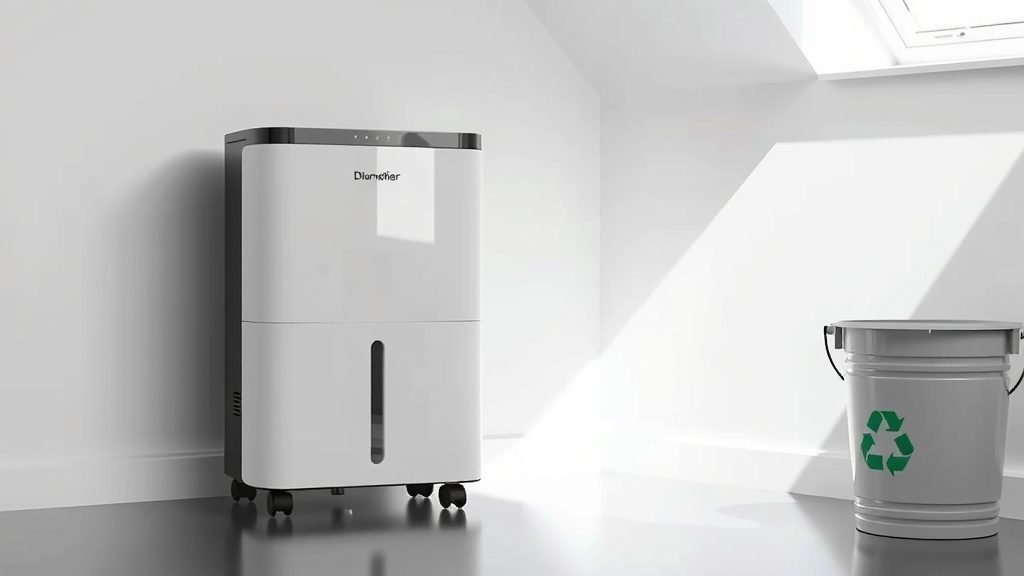
No, you absolutely cannot put a dehumidifier in the trash due to its refrigerants and various electronic components.
Improper disposal of a dehumidifier is harmful to the environment and can even be illegal in many areas.
Here’s a quick rundown of why tossing your old dehumidifier isn’t the way to go and what you should do instead:
- Dehumidifiers contain refrigerants, which are potent greenhouse gases if released.
- They also have electronic parts and metals that should be recycled, not landfilled.
- Many local regulations prohibit throwing appliances like these in regular household trash.
- Recycling centers or special hazardous waste collection sites are the correct disposal methods.
- Always check with your local waste management services for specific guidance.
Can I Put a Dehumidifier in the Trash?
The straightforward answer is no, you cannot put a dehumidifier in the regular trash. This appliance contains substances and materials that require special handling.
Why Can’t You Just Toss It?
It might seem convenient to simply throw out an old or broken dehumidifier, but there are important reasons why this isn’t allowed. Thinking about the environmental impact helps us understand better.
The Problem with Refrigerants
Dehumidifiers use refrigerants, much like refrigerators or air conditioners. These chemicals, often hydrofluorocarbons (HFCs), are powerful greenhouse gases. If released into the atmosphere, they contribute to climate change significantly (EPA).
When you trash a dehumidifier, there’s a risk these refrigerants will leak out in a landfill. Specialized facilities are equipped to safely remove and manage these gases without harming our planet.
Electronic Components and Waste
Beyond refrigerants, dehumidifiers are packed with electronic parts. This includes metals, plastics, and circuit boards. These materials can be recycled, recovering valuable resources and preventing them from ending up in a landfill where they might take centuries to break down. Some components could even contain trace amounts of hazardous materials.
Finding the Right Way to Dispose
So, if the trash is out, what are your options? We found that there are several reliable ways to get rid of your old dehumidifier responsibly. Your best bet is always to check with your local waste management authority.
Local Recycling Programs
Many communities have specific recycling programs for appliances, often called “white goods” or “e-waste.” You might be able to drop off your dehumidifier at a local recycling center. Some areas even offer curbside pickup for large items on certain days (Local Government Waste Management).
Household Hazardous Waste Events
Your city or county might host special events for household hazardous waste. These events are perfect for disposing of items like dehumidifiers, paint, or old batteries. Keep an eye on your local government website for announcements about upcoming collection dates.
Retailer Take-Back Programs
Did you know some appliance retailers offer take-back programs when you purchase a new unit? This can be a really convenient option. They often handle the proper disposal of your old appliance, saving you a trip. It’s worth asking when you’re shopping for a replacement.
Preparing Your Dehumidifier for Disposal
Before you take your dehumidifier anywhere, a little preparation goes a long way. This ensures the unit is ready for safe transport and processing. It’s simple, but important for everyone’s safety.
- Empty the water reservoir: Make sure the water collection bucket is completely drained. No one wants a leaky mess in their car or at the drop-off site.
- Remove and dispose of filters: Many dehumidifiers have washable or disposable air filters. Remove these and dispose of them according to their material type.
- Clean the unit: A quick wipe-down helps keep things tidy, especially if you’re taking it to a public facility.
- Cut the power cord: Some facilities recommend cutting the power cord to prevent accidental use, though this isn’t always required. Check local rules.
- Secure loose parts: Ensure all parts, like the water bucket, are securely in place or taped down to prevent them from falling off during transport.
When to Replace Your Dehumidifier
Is your dehumidifier nearing the end of its life? Knowing when to replace it helps you plan for disposal. Dehumidifiers usually last around 5-10 years, but this can vary. Listen to your unit; it often tells you when it’s time for an upgrade.
Signs of an Aging Unit
You might notice your dehumidifier isn’t removing as much moisture as it used to. Perhaps it’s making strange noises or running constantly without much effect. These are common signs that its compressor is wearing out. A unit that constantly needs emptying might also indicate a problem.
Energy Efficiency Considerations
Older dehumidifiers can be real energy hogs. Newer models are often much more energy-efficient, saving you money on your electricity bill. The cost savings from a new, efficient unit might quickly outweigh the replacement cost, especially if your current one is struggling to keep up (Energy Star).
The Environmental Impact of Improper Disposal
Imagine all the discarded appliances piling up, leaking harmful chemicals into our soil and water. When you dispose of a dehumidifier incorrectly, you contribute to this problem. Proper disposal is a small step, but it has a big collective impact on environmental health (CDC).
Recycling ensures that precious metals and plastics are reused, reducing the need for new raw materials. This also lowers the energy needed for manufacturing. It’s a win-win for both your wallet and the health of the planet.
What About Dehumidifier Parts?
Sometimes you might only need to dispose of a specific part, like a broken fan or a cracked water reservoir. Generally, small plastic or metal parts can go into your regular recycling bin if your local service accepts those materials. However, if the part contains refrigerants, like a compressor, it must be handled as part of the whole unit’s disposal process. When in doubt, always consult local guidelines.
Here’s a quick look at disposal options:
| Disposal Method | What It Is | Pros | Cons |
|---|---|---|---|
| Local Recycling Centers | Designated facilities for e-waste and appliances. | Environmentally responsible, often free. | Requires transport, hours may be limited. |
| Hazardous Waste Events | Scheduled collection days for specific hazardous items. | Convenient for many types of waste at once. | Infrequent, specific dates/locations. |
| Retailer Take-Backs | When you buy a new appliance, the store takes the old one. | Extremely convenient, often includes pickup. | Only available with new purchase, not all retailers offer. |
| Junk Removal Services | Private companies that haul away unwanted items. | Most convenient, they handle everything. | Can be costly, ensure they dispose responsibly. |
Conclusion
Ultimately, tossing a dehumidifier in the trash is never the right answer. These units contain refrigerants and electronics that demand responsible disposal. By choosing to recycle or utilize hazardous waste programs, you’re not just following regulations; you’re actively contributing to a healthier environment. It’s a simple act of care that makes a real difference.
Frequently Asked Questions
Can I sell or donate my old dehumidifier if it still works?
Absolutely! If your dehumidifier is still in good working condition, selling it online or donating it to a local charity or thrift store is an excellent option. This extends its life and prevents it from becoming waste prematurely. Make sure it’s clean and fully functional before offering it to others.
What kind of refrigerants are in dehumidifiers?
Most modern dehumidifiers use HFCs (hydrofluorocarbons) like R-134a, which are potent greenhouse gases. Older models might have used CFCs (chlorofluorocarbons) or HCFCs (hydrochlorofluorocarbons), which are even more damaging to the ozone layer. This is why professional handling is crucial during disposal.
Are there fines for improperly disposing of a dehumidifier?
Yes, many municipalities have regulations against improper disposal of appliances and e-waste. Fines can vary depending on your location and the specific rules in place. It’s always best to check your local waste management website to avoid any penalties.
Can I remove the refrigerant myself before disposal?
No, you should never attempt to remove refrigerants from a dehumidifier yourself. This requires specialized equipment and training to prevent harmful gases from escaping into the atmosphere. Only certified technicians are qualified to handle refrigerant removal safely and legally.
How do I find my local recycling center for appliances?
The easiest way to find a local appliance recycling center is to visit your city or county’s waste management website. They usually have a dedicated section on bulky waste or e-waste disposal, including a list of approved drop-off locations and any specific preparation instructions.
