
Do I Need a Dehumidifier for a Home Gym?

Yes, you likely need a dehumidifier for your home gym, especially if you notice any signs of excess moisture. High humidity can create a damp, uncomfortable environment. It can also lead to issues like mold growth and damage to your equipment.
A home gym is often a space where sweat and respiration increase moisture levels. Without proper ventilation or dehumidification, this can quickly become a problem. We found that managing humidity levels is key to maintaining a pleasant workout space and preserving your gear. Ignoring it might lead to costly repairs down the road.
- You probably need a dehumidifier if your gym feels sticky or smells musty.
- Excess moisture can damage gym equipment and encourage mold.
- Running a dehumidifier helps keep the air dry and comfortable.
- This protects your workout space and your investment in equipment.
Let’s look at why humidity is a concern for your home gym and how a dehumidifier can help.
Is a Dehumidifier Necessary for Your Home Gym Space?
You’re probably wondering if a dehumidifier is really that important for your home gym. Let’s break it down. Many fitness enthusiasts find that managing humidity makes a big difference. It helps create a more comfortable workout environment. It also plays a key role in protecting your expensive equipment.
Understanding Humidity and Your Workout Zone
Your home gym can become a mini-rainforest. Think about it: you’re working out, breathing hard, and sweating. All that moisture has to go somewhere. Without good airflow, this moisture builds up. This is especially true in smaller rooms or spaces with limited ventilation, like basements or spare bedrooms.
The Sweat Factor
Every workout session releases water vapor into the air. Your body uses sweat to cool down, and that sweat evaporates. This process adds a lot of humidity to the air in your gym. Even if you don’t feel sticky, the moisture levels can rise.
What About the Equipment?
Excess humidity isn’t just about feeling clammy. It can actually damage your workout gear. Metal parts on treadmills, bikes, or weight machines can start to rust. Upholstery on benches can get moldy. Even your workout clothes can develop that tell-tale musty smell faster.
Signs Your Home Gym Might Be Too Humid
How can you tell if humidity is becoming a problem for your home gym? You don’t need a fancy hygrometer to spot the clues. Keep an eye out for these common signs. They’re your gym’s way of telling you it needs a little help.
The “Sticky” Feeling
Does the air in your gym feel heavy or slightly sticky? This is a classic sign of high humidity. It’s that feeling where the air itself seems to cling to your skin. It can make your workouts feel more tiring and uncomfortable.
Musty Odors
A persistent musty or mildew smell is a red flag. This odor often indicates that mold or mildew is starting to grow. They thrive in damp, humid conditions. You might notice it on fabrics, mats, or even the walls. This is a clear signal that moisture control is needed.
Condensation Concerns
Do you see water droplets forming on windows, mirrors, or cold surfaces like your weight rack? This condensation means the air is saturated with moisture. When warm, moist air hits a cooler surface, the water vapor turns back into liquid. It’s a visual cue of high humidity.
Mold and Mildew Appearances
The most serious sign is visible mold or mildew. It might look like black, green, or white fuzzy patches. It often appears in corners, along baseboards, or on porous materials. Mold isn’t just unsightly; it can also affect air quality and your health.
How a Dehumidifier Solves Your Home Gym Humidity Woes
So, you’ve noticed a few of those signs. What’s the solution? A dehumidifier is like a personal air conditioner for moisture. It actively removes excess water vapor from the air, creating a drier, more pleasant environment. This isn’t just about comfort; it’s about preserving your gym space and your equipment.
The Science Behind Dehumidification
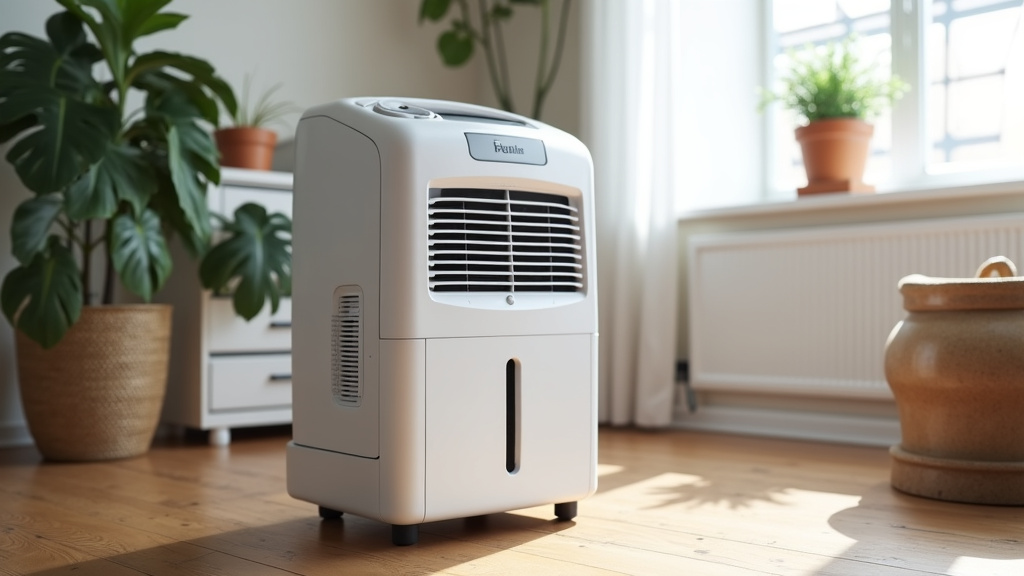
Dehumidifiers work by pulling humid air over a series of cold coils, similar to a refrigerator. As the moist air passes over these coils, the water vapor condenses into liquid water. This water is then collected in a tank or drained away. The now drier air is released back into the room. It’s a simple yet effective process for drying out your space.
Maintaining Ideal Humidity Levels
What’s the sweet spot for humidity in your home gym? Many experts recommend keeping humidity levels between 40% and 50%. This range is comfortable for workouts and helps prevent issues like mold growth and equipment damage. A dehumidifier can help you maintain this ideal balance consistently.
Benefits of Using a Dehumidifier in Your Home Gym
Beyond just drying the air, a dehumidifier brings a host of advantages. Think of it as an investment in your health, your equipment, and your overall workout experience. Let’s look at the key benefits:
Enhanced Comfort and Air Quality
No one enjoys working out in a sticky, muggy room. Lowering humidity makes the air feel lighter and fresher. This can make your workouts feel easier and more enjoyable. It also reduces that musty smell, making your gym a more inviting space to spend time in.
Protection for Your Equipment
This is a big one. High humidity can corrode metal parts, warp wooden components, and degrade electronic displays on fitness machines. A dehumidifier acts as a shield, protecting your investment from the damaging effects of moisture. This means less wear and tear and fewer repair bills.
Prevention of Mold and Mildew
Mold and mildew thrive in damp conditions. By removing excess moisture, a dehumidifier effectively inhibits their growth. This is vital for maintaining a healthy environment, especially if you have allergies or respiratory sensitivities. Clean air is happy air!
Faster Drying of Sweat and Surfaces
Ever notice how sweat seems to linger on your skin or how your yoga mat takes ages to dry after a workout? A dehumidifier helps these surfaces dry much faster. This contributes to a cleaner and more hygienic workout space. It also helps prevent that sticky feeling after you’ve finished exercising.
Choosing the Right Dehumidifier for Your Home Gym
Not all dehumidifiers are created equal. When selecting one for your home gym, consider a few key factors. You want to find a unit that’s effective for the size of your space and meets your needs. Many users find these considerations helpful.
Size Matters: Matching Capacity to Your Space
Dehumidifiers are rated by the amount of water they can remove per day, typically in pints. The size of your home gym is the most critical factor. A general guideline is:
| Room Size (Square Feet) | Recommended Capacity (Pints/Day) |
|---|---|
| Up to 500 | 10-20 pints |
| 500-1000 | 20-30 pints |
| 1000-1500 | 30-50 pints |
| 1500-2000 | 50-70 pints |
If your gym is in a basement or a particularly damp area, you might want to choose a unit with a slightly higher capacity than recommended. It’s always better to have a little extra power.
Key Features to Look For
Beyond capacity, several features can enhance your dehumidifier experience:
- Humidistat Control: This allows you to set a desired humidity level, and the unit will cycle on and off automatically to maintain it. It’s energy-efficient.
- Automatic Shut-off: The dehumidifier stops running when the collection tank is full. This prevents overflows and messes.
- Continuous Drainage Option: Some units have a port for attaching a hose, allowing for continuous draining into a floor drain or sink. This means you don’t have to empty the tank as often.
- Energy Efficiency: Look for ENERGY STAR certified models. They use less electricity, saving you money on your utility bills.
- Noise Level: Dehumidifiers can be noisy. Check reviews for noise levels if this is a concern for you.
Placement and Maintenance Tips
Once you have your dehumidifier, proper placement and maintenance are key to its effectiveness. Think of it like tuning up your gym equipment.
- Place the dehumidifier in a central location, away from walls or furniture, to allow for good airflow.
- Ensure the air intake and outlet are not blocked.
- Empty the water collection tank regularly if you don’t have a continuous drain setup.
- Clean the air filter periodically according to the manufacturer’s instructions. A clean filter means the unit works more efficiently and lasts longer. Many experts suggest checking it monthly.
Quick Checklist: Is a Dehumidifier Right for Your Home Gym?
Still on the fence? Ask yourself these questions. If you answer “yes” to a few, it’s likely a good investment for you.
- Does your gym feel sticky or damp, even when it’s not hot?
- Do you notice a musty or mildew smell in your workout space?
- Have you seen condensation on windows or equipment?
- Is your equipment showing signs of rust or corrosion?
- Do you live in a naturally humid climate or have a basement gym?
- Are you concerned about mold or mildew growth in your gym area?
Conclusion
You’ve learned why a home gym can become a breeding ground for humidity and the problems it causes. From sticky air and musty smells to damaging your equipment, excess moisture is a real concern. A dehumidifier is your solution for a more comfortable, healthier, and longer-lasting workout space. It actively combats these issues, protecting your gear and making your sessions more enjoyable. If you’ve noticed any signs of dampness, taking the step to get a dehumidifier is your best move to preserve your home gym investment.
Frequently Asked Questions
How often should I empty the dehumidifier tank for my home gym?
You’ll need to empty the collection tank whenever it becomes full, which can vary based on humidity levels and the unit’s capacity. Many users find themselves emptying it every 1-3 days. If your dehumidifier has a continuous drain option, this chore is eliminated.
Can a dehumidifier help with allergies in my home gym?
Yes, a dehumidifier can significantly help with allergies. By reducing moisture, it inhibits the growth of mold and mildew, which are common allergens. This leads to cleaner air and a healthier environment for you to work out in.
What’s the difference between a dehumidifier and an air conditioner for my gym?
While both cool the air, an air conditioner’s primary function is cooling, and it only removes some humidity as a byproduct. A dehumidifier’s main job is to remove excess moisture from the air, which is what typically makes a space feel damp and uncomfortable.
Is it okay to run my dehumidifier 24/7 in my home gym?
Running your dehumidifier continuously is often necessary, especially in very humid conditions or if your gym is in a damp area like a basement. Using one with a humidistat allows it to cycle on and off automatically to maintain your desired humidity level, saving energy.
Do I need a dehumidifier if my home gym has good ventilation?
Even with good ventilation, your home gym can still accumulate moisture from sweat and respiration. While ventilation helps, it might not be enough to prevent issues. A dehumidifier provides active moisture removal, ensuring optimal humidity levels that ventilation alone may not achieve.
