
Can I Put Dehumidifier in Furnace Room?
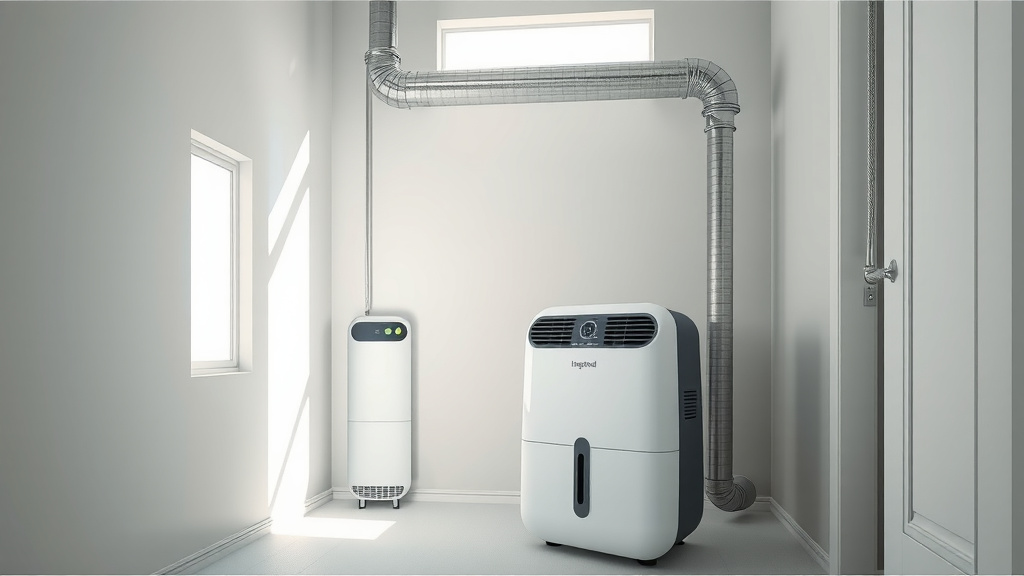
Yes, you can often put a dehumidifier in a furnace room, but it’s vital to ensure proper placement and safety.
For ideal performance, a dehumidifier in a furnace room should be positioned to allow adequate airflow, away from heat sources and electrical panels.
- Running a dehumidifier in your furnace room can effectively combat excess moisture throughout your home.
- Prioritize safety by keeping the unit clear of the furnace, water heater, and electrical components.
- Ensure the room has good ventilation to prevent the dehumidifier from overheating or working too hard.
- Regular maintenance is key to efficient operation and preventing potential hazards.
- Consider a unit with a continuous drain feature for hassle-free moisture removal.
Can I Put Dehumidifier in Furnace Room?
You absolutely can place a dehumidifier in your furnace room, and for many homeowners, it’s a smart solution for managing whole-house humidity. This area often serves as a central hub for your home’s air systems.
However, it is not just about putting it there. Think about placement carefully. Proper positioning protects both your appliance and your home (National Fire Protection Association).
Why Your Furnace Room Needs Dehumidification
Furnace rooms are typically in basements or utility closets. These spots are often damp. Basements, for example, frequently experience higher humidity levels compared to other areas of your house.
Excess moisture down there is not just uncomfortable. It can lead to mold growth, musty odors, and even structural damage over time. Imagine trying to breathe in a constantly damp environment – not fun, right?
The Benefits of a Dryer Furnace Room
A drier furnace room offers multiple advantages. It protects your furnace and other appliances from rust and corrosion. It also stops mold and mildew from spreading. These growths are bad for your air quality.
Many building experts agree that maintaining optimal humidity, usually between 30-50%, can extend the life of your home and its systems (Environmental Protection Agency).
Safety First: Key Considerations for Placement
Before you plug in your dehumidifier, let’s talk safety. Your furnace room contains heat sources, gas lines, and electrical connections. These elements require respect and caution.
We found that keeping a safe distance from these potential hazards is non-negotiable. Think of it like keeping a safe distance from a campfire; you want the warmth but not too close.
Distance from Heat Sources
Your furnace, water heater, and even dryer generate heat. A dehumidifier working near these appliances can overheat. This makes the unit work harder, uses more energy, and reduces its lifespan.
Experts recommend leaving at least a foot or two of clearance around the dehumidifier. This space allows for good air circulation and heat dissipation. It’s like giving it room to breathe.
Avoiding Electrical Hazards
Water and electricity do not mix. Ensure your dehumidifier is not placed near open wiring or electrical panels. Also, avoid using extension cords if possible.
If an extension cord is necessary, use a heavy-duty, grounded one. We found that plugging directly into a dedicated outlet is always the safest option (Underwriters Laboratories).
Airflow and Efficiency: Making Your Dehumidifier Shine
A dehumidifier pulls in moist air, extracts water, and releases drier air. For this process to work well, it needs unrestricted airflow. Imagine trying to breathe with a pillow over your face!
Clutter around the unit will block air intake and exhaust. This makes the dehumidifier less effective and can lead to it running constantly. That wastes energy and money.
- Clear the area: Remove boxes, laundry, or storage items that might block vents.
- Placement in the room: Position the unit in the most open part of the room, away from walls.
- Check for blockage: Periodically ensure nothing has shifted to block the air vents.
Choosing the Right Dehumidifier for Your Furnace Room
Not all dehumidifiers are created equal. For a furnace room, you have a few options. Consider the size of your space and how much moisture is usually present.
A larger unit might be overkill for a small utility closet. Conversely, a tiny unit will struggle in a large, damp basement. It is about matching the tool to the job.
Capacity and Size Considerations
Dehumidifier capacity is measured in pints per day. This refers to how much moisture it can remove in 24 hours. A damp basement might need a 50-pint unit or more.
A slightly damp crawl space could be fine with a 30-pint model. We found that checking the manufacturer’s recommendations for square footage is a good starting point.
Continuous Drain Feature: A Game Changer
Emptying a water bucket every few hours is a chore. Many dehumidifiers offer a continuous drain option. This lets you connect a hose directly to a floor drain or condensate pump.
This feature makes your dehumidifier almost maintenance-free. It simply collects and disposes of water without your intervention. You can set it and forget it!
Here’s a quick comparison of dehumidifier types often considered for utility spaces:
| Feature | Standard Dehumidifier | Whole-Home Dehumidifier |
|---|---|---|
| Placement | Portable, room-specific | Integrated with HVAC system |
| Coverage | One room or small area | Entire house |
| Drainage | Bucket or continuous drain | Continuous drain (HVAC) |
| Installation | Plug and play | Professional installation needed |
| Cost | Lower initial cost | Higher initial cost |
Maintenance Tips for Your Dehumidifier
Like any appliance, your dehumidifier needs a little love to keep running well. Regular maintenance prevents breakdowns and keeps your air quality high.
Think of it like getting oil changes for your car; small actions now prevent bigger problems later. A well-maintained unit is a happy unit.
Filter Cleaning and Replacement
Most dehumidifiers have an air filter. This filter catches dust and debris. A dirty filter restricts airflow, making the unit work harder. It also affects its ability to remove moisture.
Check the filter monthly. Clean it with warm, soapy water or replace it as per the manufacturer’s instructions. A clean filter ensures clean air and efficient operation.
Draining the Water Reservoir
If you are not using a continuous drain, empty the water bucket regularly. Do not let it overflow. Some units shut off automatically when full, but it’s still good to check.
Also, clean the bucket periodically with a mild bleach solution. This prevents mold and bacterial growth inside the reservoir. Nobody wants moldy water sitting in their home.
Addressing Common Concerns
You might have some worries about placing an appliance in a utility space. These are normal questions. Let’s tackle a couple of them head-on.
Noise Levels
Dehumidifiers do make some noise. Most modern units are quieter than older models. However, if your furnace room is right next to a living area, consider a quieter model.
Some people say noise is not an issue in a basement or utility room. Others prefer ultra-quiet models. It often comes down to your personal tolerance and the room’s location.
Energy Consumption
Dehumidifiers use electricity. Running one constantly can increase your energy bill. Look for Energy Star certified models. These are designed to be more energy efficient.
Also, setting your desired humidity level to 45-50% instead of a very low number saves energy. Your unit will not have to work as hard to reach that setting.
Dehumidifier Safety Checklist
Before you settle on a spot, run through this quick checklist:
- Is the dehumidifier at least 1-2 feet from the furnace, water heater, and dryer?
- Is it clear of gas lines and electrical panels?
- Is it plugged directly into a grounded outlet?
- Is there clear space around all air intake and exhaust vents?
- Is the water collection bucket or continuous drain hose securely in place?
- Have you cleaned the filter recently?
Conclusion
Placing a dehumidifier in your furnace room is often an excellent way to manage humidity throughout your home. You can combat mold, protect appliances, and improve overall air quality.
Remember to prioritize safety above all else. Proper placement, good airflow, and regular maintenance ensure your dehumidifier works efficiently and safely for years to come. Your home will thank you!
FAQs About Dehumidifiers in Furnace Rooms
Does a dehumidifier affect furnace operation?
No, a dehumidifier should not directly affect your furnace’s operation if placed correctly. Keep it far enough away to avoid blocking air vents or interfering with the furnace’s combustion process. Its main job is to remove moisture from the air, not alter your heating or cooling.
How often should I clean my dehumidifier in the basement?
You should generally check and clean your dehumidifier’s air filter every 2-4 weeks, especially in dusty basement environments. If you are using the water bucket, clean it monthly to prevent mold and mildew growth. Regular cleaning helps maintain efficiency and air quality.
Can a dehumidifier make a basement feel warmer or colder?
A dehumidifier generally won’t make a noticeable difference to the temperature. It extracts moisture, which can make the air feel less “heavy” and more comfortable. Sometimes, dry air can feel slightly cooler because humidity makes you feel hotter. However, it does not change the actual thermostat temperature.
Is it better to run a dehumidifier continuously or only when needed?
Many experts suggest running a dehumidifier continuously, especially in consistently damp basements, to maintain a stable humidity level (e.g., 45-50%). If you only run it occasionally, humidity can build back up quickly. Continuous operation often uses less energy overall than letting humidity spike and then trying to drastically reduce it.
What kind of dehumidifier is best for a small furnace room or utility closet?
For a small furnace room or utility closet, a compact, portable dehumidifier with a suitable pint capacity (e.g., 20-30 pints) is often ideal. Look for one with a continuous drain option to avoid frequent bucket emptying. Ensure it has enough clearance for proper airflow in the confined space.
