
Do I Need a Dehumidifier for a Small Apartment?
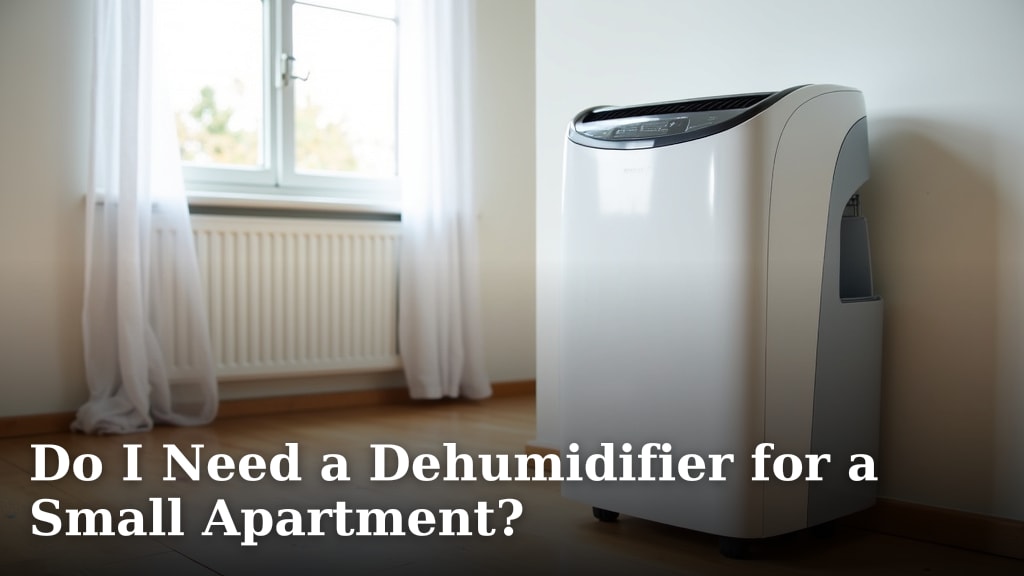
Yes, you likely need a dehumidifier for a small apartment if you’re noticing persistent dampness or condensation. High humidity can lead to uncomfortable living conditions and serious problems for your home. We found that even small spaces can struggle with moisture, especially in certain climates or seasons.
Dealing with excess moisture in a small apartment is important for your health and the building’s condition. Damp air can encourage the growth of mold and dust mites, which can trigger allergies and respiratory issues. Keeping your home’s humidity in check is a smart move for a healthier environment. It also helps protect your belongings from moisture damage.
- Small apartments can get humid too.
- Watch for signs like condensation or musty smells.
- High humidity can harm your health and home.
- A dehumidifier can be a good solution.
Let’s break down how to tell if your small apartment needs a dehumidifier and what to look for.
Is Your Small Apartment Too Damp? Let’s Find Out.
You might be wondering if your cozy apartment really needs a dehumidifier. It’s easy to think that small spaces are less prone to moisture issues. But we found that even tiny living areas can become surprisingly damp. This can happen for many reasons, from your daily routines to the building’s structure. Let’s figure out if your apartment is one of them. If you decide a dehumidifier is right for you, consider portable dehumidifiers for apartments.
High humidity isn’t just about feeling sticky. It can actually impact your health and the condition of your home. Think of it as an unwelcome guest that brings along mold, mildew, and dust mites. These tiny culprits can cause allergy flare-ups and breathing problems. Plus, excess moisture can damage your furniture, electronics, and even the walls themselves. Keeping your humidity in check is a smart move for a healthier living space.
Signs Your Apartment Needs Help with Humidity
So, how can you tell if your apartment is struggling with too much moisture? Look for the tell-tale signs. These are often subtle at first, but they can escalate quickly if ignored.
Condensation is a Major Clue
The most obvious sign is condensation. Do you see little water droplets forming on your windows, especially in the morning? This often happens when warm, moist air inside your apartment meets the cooler glass surfaces. It’s like the glass is sweating! If this is a regular occurrence, your indoor humidity is likely too high.
Don’t just wipe it away and forget about it. This condensation is a clear signal. It means the air inside your home is holding more water vapor than it should. Over time, this moisture can seep into window frames and walls, leading to bigger problems down the line.
Musty Smells Are a Red Flag
Another big indicator is a persistent musty or mildewy smell. You might notice it most in closets, bathrooms, or areas where air doesn’t circulate well. This odor is often caused by mold and mildew growth. These fungi thrive in damp environments, and that smell is their way of announcing their presence.
This smell isn’t just unpleasant; it can also be a health concern. Mold spores can become airborne and trigger allergies or asthma symptoms in sensitive individuals. If you’re constantly trying to mask a musty odor with air fresheners, it’s time to address the root cause: excess humidity.
Check for Mold and Mildew Growth
Visually inspecting your apartment can reveal more direct evidence. Look for any fuzzy or discolored patches on walls, ceilings, or in bathrooms and kitchens. These are often signs of mold or mildew. They can appear in various colors, like black, green, or white.
Pay special attention to areas that tend to stay damp, such as behind furniture, under sinks, or in corners where ventilation is poor. The presence of mold means your apartment has had a consistent moisture problem, and a dehumidifier could be a key part of the solution.
Sticky or Clammy Surfaces
Does your skin feel a bit sticky after being indoors for a while, even if it’s not particularly warm outside? Do surfaces like your countertops or tabletops sometimes feel slightly damp to the touch? This clammy feeling is another sign that the air is saturated with moisture.
When humidity levels are high, the air holds more water vapor. This can make everything feel a bit damp and uncomfortable. It’s like trying to dry off after a shower with a wet towel – not very effective! This feeling is a clear indicator that the relative humidity is probably above the recommended range.
Understanding Ideal Humidity Levels
What’s considered “normal” or “healthy” for indoor humidity? Experts generally recommend keeping your home’s relative humidity between 30% and 50% (Mayo Clinic). Levels consistently above 50% can start to create problems. Understanding the ideal humidity level can help you determine if your apartment needs a dehumidifier.
In very humid climates, or during certain seasons like summer, it’s common for indoor humidity to creep up. Even in drier climates, activities like cooking, showering, and even breathing can add moisture to the air in a small, enclosed space. If your apartment often falls outside that ideal 30-50% range, a dehumidifier can help regulate it.
What Factors Contribute to Apartment Humidity?
Several factors can contribute to a humid environment in your small apartment. Understanding these can help you identify potential problem areas.
Your Daily Activities
Believe it or not, your everyday routines can significantly impact humidity levels. Every time you shower, cook, or even do laundry indoors, you’re releasing moisture into the air. Imagine boiling water for pasta – that steam has to go somewhere! In a small apartment, this moisture has fewer places to dissipate compared to a larger home.
This is especially true if you don’t have excellent ventilation. For example, if your bathroom fan isn’t very effective or you don’t open windows regularly after showering, that steam lingers. Similarly, drying clothes indoors can add a substantial amount of moisture to the air.
Building Ventilation and Age
The design and age of your apartment building play a role too. Older buildings might not have the most efficient ventilation systems. Poorly sealed windows and doors can also allow humid outdoor air to seep in, especially during humid weather.
Modern buildings often have better insulation and sealing, which is great for energy efficiency. However, this can also mean less natural air exchange. If your apartment feels “stuffy” or has poor air circulation, humidity can become trapped inside. We found that apartments with less natural airflow are more susceptible to humidity buildup.
Climate and Location
Your apartment’s location and the local climate are major influencers. If you live in a region known for high humidity, like the Southeastern United States, you’ll naturally face more challenges keeping your indoor air dry. Even in less humid climates, seasonal changes can bring periods of increased moisture.
Coastal areas and regions near large bodies of water often experience higher humidity year-round. If your apartment is in such a location, it’s likely you’ll need to pay closer attention to humidity control. Many guidelines suggest that people in humid climates should strongly consider dehumidifiers (CDC).
Lack of Air Circulation
Poor air circulation is a silent contributor to high humidity. Stagnant air doesn’t allow moisture to escape easily. Think of it like a still pond versus a flowing river; the flowing river naturally dries out faster. In an apartment with furniture blocking vents or not enough open spaces, air can become trapped.
This is particularly relevant for small apartments where furniture might be placed closer together. If you notice certain areas of your apartment feel consistently damper than others, it’s likely due to a lack of air movement in those spots. This trapped moisture creates ideal conditions for mold and mildew.
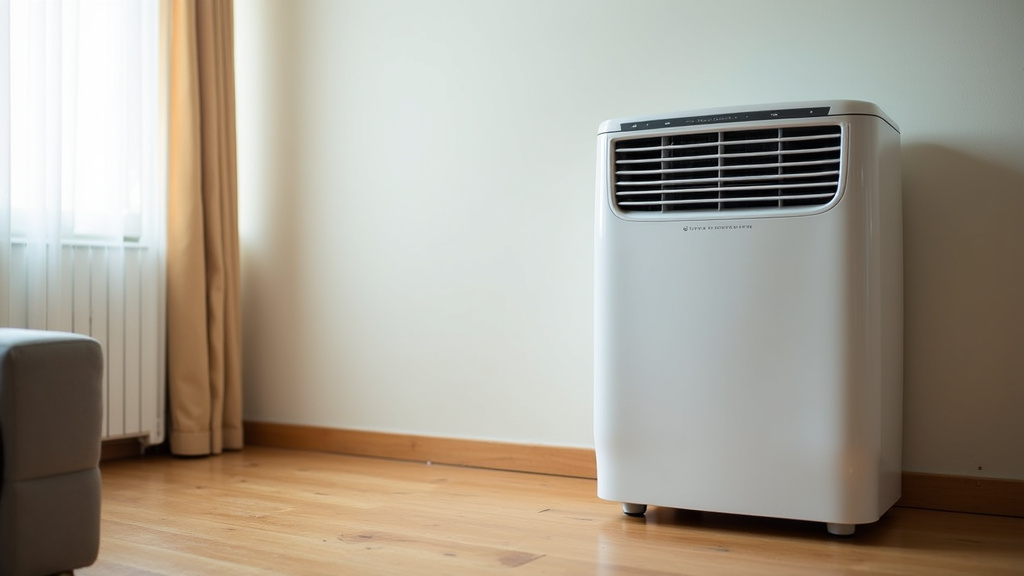
Why Dehumidifiers Are Good for Small Apartments
You might think a dehumidifier is too big or powerful for a small space. But they come in various sizes, including compact models perfect for apartments. They actively remove moisture from the air, directly addressing the issues we’ve discussed.
By reducing the humidity, you create a more comfortable living environment. You also take away the breeding ground for mold, mildew, and dust mites. This can lead to fewer allergy symptoms and a healthier home. Plus, it helps protect your belongings from moisture damage.
Consider this comparison:
| Method | Pros | Cons |
|---|---|---|
| Opening Windows | Free, natural air exchange. | Only works when outside air is dry; can let in allergens; not always practical (security, noise). |
| Using Fans | Helps circulate air, can slightly reduce surface condensation. | Doesn’t remove moisture from the air; can just move humid air around. |
| Dehumidifier | Actively removes moisture; controllable humidity levels; helps prevent mold/mildew. | Requires electricity; needs emptying (unless plumbed); initial cost. |
Choosing the Right Dehumidifier for Your Space
If you decide a dehumidifier is right for you, picking the correct size is key. For a small apartment, you probably don’t need a massive industrial unit. Look for models designed for small rooms or bathrooms.
Check the capacity, usually measured in pints of water removed per day. For a small apartment (under 500 sq ft), a unit that removes 10-20 pints per day is often sufficient. Many compact models are also energy-efficient, which is a plus for apartment dwellers.
Also, consider features like auto-shutoff (so it doesn’t overflow), a quiet operation mode (important in close quarters), and an energy-saving setting. A built-in humidistat that allows you to set your desired humidity level is also very useful.
Quick Checklist: Does Your Apartment Need a Dehumidifier?
To help you decide, run through this quick checklist:
- Do you see condensation on windows or walls regularly?
- Is there a persistent musty or mildew smell in your apartment?
- Have you spotted any signs of mold or mildew growth?
- Does the air feel consistently sticky or clammy, even when it’s not hot?
- Do you live in a very humid climate or have poor air circulation?
- Do you experience allergy or respiratory issues that seem worse indoors?
If you answered “yes” to two or more of these questions, it’s highly likely that a dehumidifier would benefit your small apartment and improve your living environment.
Conclusion
You’ve learned a lot about humidity in small apartments. We found that those cozy spaces can easily become damp environments. Watch for signs like condensation, musty smells, or visible mold. Your daily activities and building’s ventilation also play a big part. If you’re nodding along to these signs, it’s time to take action.
Don’t let excess moisture affect your health or your home. Taking steps now can prevent bigger problems later. Your next step is to assess your apartment using the checklist provided. If a dehumidifier seems like the right fit, consider a compact model designed for apartment living to restore comfort to your home.
Frequently Asked Questions
How much does a dehumidifier cost for a small apartment?
The cost can vary, but for a small apartment, you can typically find suitable dehumidifiers ranging from $100 to $250. Compact models designed for smaller spaces are generally more affordable. Keep an eye out for energy-efficient options, as they can save you money on your electricity bill over time.
How often should I empty a dehumidifier in a small apartment?
This depends on how much moisture your dehumidifier is removing. In very humid conditions, you might need to empty the tank daily. Less humid environments may only require emptying every few days. Many models have an auto-shutoff feature that stops the unit when the tank is full, preventing overflows.
Can a dehumidifier help with allergies in a small apartment?
Yes, a dehumidifier can significantly help with allergies. By reducing humidity levels, you create an environment less hospitable to dust mites and mold, which are common allergy triggers. This can lead to fewer respiratory issues and a more comfortable living space for allergy sufferers.
Is a dehumidifier noisy for apartment living?
Dehumidifier noise levels vary by model. We found that many newer compact units are designed for quieter operation, often featuring a “sleep” or “quiet” mode. If noise is a concern, look for models with decibel ratings below 50 dB, which is comparable to a quiet refrigerator.
Do I need to run a dehumidifier all the time in my apartment?
It’s not always necessary to run it constantly. We recommend using a dehumidifier when humidity levels are high, typically above 50%. You can use a built-in humidistat to maintain your desired humidity level automatically. Running it during specific times, like after showering or cooking, can also be effective.
