
Can I Sleep with a Dehumidifier On?
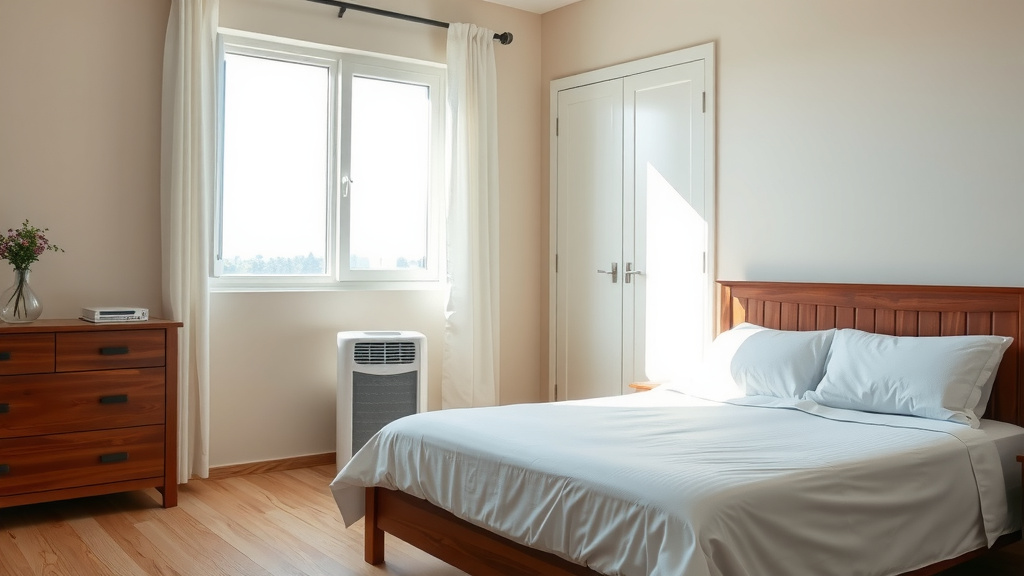
Yes, you can generally sleep with a dehumidifier on, especially if you manage noise levels and ensure the humidity doesn’t drop too low. Running a dehumidifier at night can create a more comfortable and healthier indoor environment by preventing mold growth and reducing allergens.
Sleeping with a dehumidifier can significantly improve your air quality and sleep comfort, but it requires mindful usage to avoid potential downsides like excessive dryness or disruptive noise. Finding the right balance is key for a truly restful night.
- Running a dehumidifier at night is often beneficial for health and comfort.
- Managing noise and maintaining optimal humidity levels are important considerations.
- Proper use can prevent mold, dust mites, and improve breathing.
- Avoid over-drying the air, as it can lead to skin or respiratory irritation.
- Choose a quiet model and place it strategically for the best results.
Can I Sleep with a Dehumidifier On?
You absolutely can sleep with a dehumidifier running, and for many people, it makes a big difference in their comfort and health. Imagine waking up without that stuffy feeling or damp sheets. It’s all about creating the right bedroom climate.
Why You Might Want a Dehumidifier in Your Bedroom
Have you ever felt the air just ‘heavy’ in your room? That’s often high humidity. A dehumidifier tackles this, pulling excess moisture from the air. This can change your sleep environment dramatically for the better.
The Comfort Factor: Breathing Easier
When humidity levels are too high, the air can feel thick and oppressive. This makes breathing less comfortable, especially for those with allergies or asthma. We found that a drier room often leads to a feeling of lighter, easier breathing throughout the night.
Health Benefits of Lower Humidity
Excess moisture is a breeding ground for unpleasant things. Think about it: mold, mildew, dust mites. These are common triggers for allergies and respiratory issues (CDC). Keeping your bedroom dry helps keep these irritants at bay, promoting a healthier sleep space.
- Reduces musty odors in your room.
- Helps prevent mold and mildew growth on walls and furniture.
- Decreases dust mite populations, a major allergen source.
- Makes the air feel cooler, even if the temperature is the same.
- Can alleviate symptoms for allergy and asthma sufferers.
Potential Downsides to Consider
While sleeping with a dehumidifier offers many perks, it’s not without its considerations. Like any tool, understanding its potential drawbacks helps you use it smartly. Let’s look at a few things to keep in mind.
Noise Levels: A Common Concern
One of the biggest worries for many is the noise. Some dehumidifiers can hum or whir loudly, which can be disruptive to sleep. Think of it like a tiny, persistent snoring machine. We found that quiet operation is a top priority for bedroom use (NIH).
Over-Drying the Air: What Happens?
There’s a sweet spot for humidity. If the air becomes too dry, it can lead to its own set of problems. You might experience dry skin, irritated nasal passages, or a scratchy throat. It’s like being in a desert, but inside your room!
Electrical Safety and Dehumidifiers
Any appliance needs to be handled with care. Dehumidifiers consume electricity and collect water. Always ensure your unit is in good working order, with no frayed cords or leaks. Following the manufacturer’s instructions is key for safe operation.
Choosing the Right Dehumidifier for Sleep
Not all dehumidifiers are created equal, especially when it comes to peaceful slumber. The right choice can mean the difference between sound sleep and a restless night. Focus on features that prioritize your comfort.
Decibel Levels to Look For
When shopping, check the decibel (dB) rating. Lower numbers mean quieter operation. Many experts say that anything below 50 dB is generally acceptable for a bedroom, with lower being even better. Think of a quiet refrigerator hum.
Features for a Peaceful Night
Look for models with a ‘sleep mode’ or ‘quiet mode.’ A built-in humidistat is essential; it lets the unit turn off automatically once your desired humidity level is reached. Also, a continuous drain option saves you from emptying the water tank in the middle of the night.
Optimal Humidity for Sleeping
So, what’s the magic number for humidity in your bedroom? Most research suggests that an indoor humidity level between 30% and 50% is ideal for both comfort and health (Mayo Clinic). Anything outside this range can start causing issues.
| Humidity Range | Effects on Sleep and Health |
|---|---|
| Below 30% | Dry skin, irritated throat, nosebleeds, static electricity. |
| 30% – 50% | Ideal comfort, reduced allergens and mold risk. |
| Above 60% | Stuffy air, mold growth, dust mites thrive, musty odors. |
Tips for Sleeping Peacefully with Your Dehumidifier
You’ve got your dehumidifier, now how do you make sure it’s a sleep enhancer, not a sleep disruptor? A few smart adjustments can make all the difference. Think of it as fine-tuning your personal climate control.
Here’s a quick checklist to help you get started:
- Choose a model with a low dB rating for quieter operation.
- Place the unit away from your bed to minimize direct noise.
- Set the humidistat to between 40-50% humidity.
- Use a continuous drain hose if possible to avoid emptying the tank.
- Ensure the air filter is clean for efficient and quiet running.
- Consider using a white noise machine if slight sounds still bother you.
When to Use It, When to Turn It Off
Should your dehumidifier run all night, every night? Not necessarily. Use it when humidity is high. This might be during summer, rainy seasons, or in naturally damp climates. If your air feels crisp and dry already, give it a break.
Maintenance for Better Sleep and Air
A well-maintained dehumidifier runs more efficiently and quietly. Regularly cleaning the air filter, typically every few weeks, is crucial. It ensures good airflow and prevents the motor from working harder, which means less noise and better performance.
Conclusion
Sleeping with a dehumidifier on can be a genuine game-changer for your comfort and health, transforming your bedroom into a more inviting sanctuary. By picking the right model, setting optimal humidity levels, and maintaining your unit, you can enjoy a sleep environment that’s free from dampness and airborne irritants. It’s about taking control of your indoor air quality and waking up feeling refreshed and ready to go.
Can a dehumidifier make you sick?
No, a dehumidifier itself won’t make you sick if used correctly. However, if the air becomes too dry (below 30% humidity), it can cause dryness in your eyes, throat, and skin, potentially worsening respiratory conditions for some. Always aim for a balanced humidity level.
What is the quietest dehumidifier for a bedroom?
The quietest dehumidifiers for bedrooms are typically desiccant models or compressor models specifically designed with quiet operation in mind, often advertised with decibel ratings below 45-50 dB. Checking product specifications for the dB level is the best way to find a quiet unit.
How far away should a dehumidifier be from your bed?
Ideally, place your dehumidifier as far from your bed as possible to minimize noise disruption, perhaps across the room or near a wall that isn’t directly beside your head. Ensure there’s enough space around the unit for proper airflow, generally at least 6-12 inches from walls or furniture.
Does a dehumidifier cool a room?
No, a dehumidifier does not actively cool a room in the way an air conditioner does. In fact, some compressor-based dehumidifiers can slightly raise the room temperature because they generate a small amount of heat during operation. However, by removing moisture, they make the air feel less sticky and more comfortable, which can give the sensation of being cooler.
Is it OK to leave a dehumidifier on all night?
Yes, it is generally safe and beneficial to leave a dehumidifier on all night, especially if you have a model with a humidistat that maintains optimal humidity levels (30-50%). This ensures consistent comfort and humidity control throughout your sleep cycle without over-drying the air.
