
Can I Use a Dehumidifier in My Living Room?
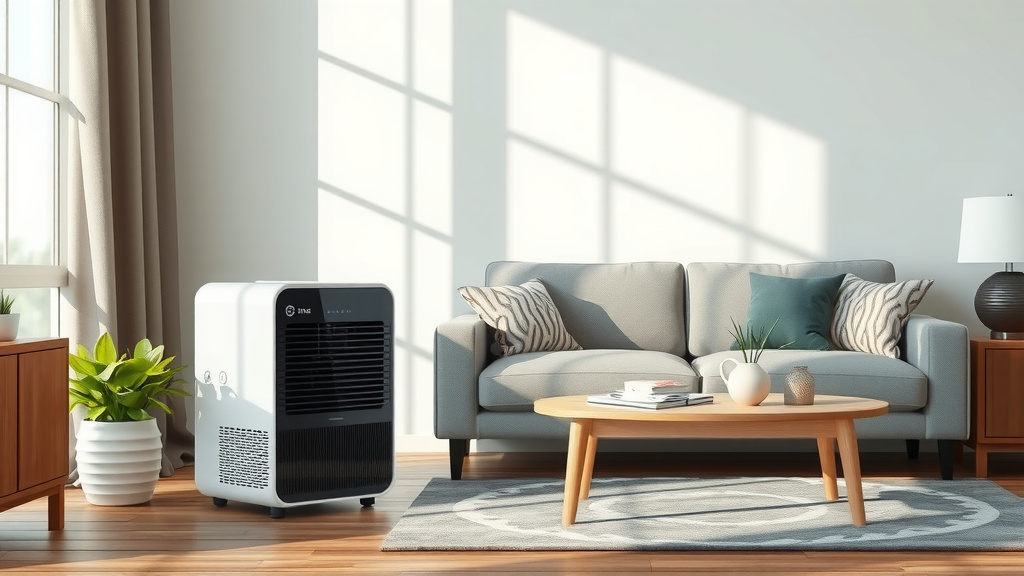
Yes, you absolutely can use a dehumidifier in your living room to control excess moisture and improve air quality.
It’s a smart move for creating a more comfortable, healthier home environment by reducing humidity levels in your main gathering space.
TL;DR:
- Dehumidifiers are excellent for living rooms, making them more comfortable and healthier.
- They help prevent mold growth, dust mites, and protect your furniture from moisture damage.
- Choose a unit sized for your living room’s square footage and existing humidity levels.
- Proper placement away from walls and furniture ensures it works most efficiently.
- Regular maintenance like cleaning the filter keeps your unit running smoothly and effectively.
Can I Use a Dehumidifier in My Living Room?
Yes, placing a dehumidifier in your living room is a very effective way to tackle humidity. It helps create a much more comfortable and healthier space for everyone. Many homeowners find this a practical solution for common moisture issues.
Why Bother with a Dehumidifier in Your Living Room?
Your living room is often the heart of your home, where you relax, entertain, and live. When humidity levels climb too high, it can make the space feel muggy and uncomfortable. A dehumidifier directly addresses this by pulling excess moisture from the air.
Beyond comfort, high humidity fosters unwanted guests like mold and mildew, which can trigger allergies or respiratory issues (CDC). We found that maintaining optimal humidity levels, typically between 30% and 50%, is key for a healthy home (EPA). Imagine breathing easier and feeling more refreshed!
Spotting the Signs: Does Your Living Room Need One?
How do you know if your living room is too humid? Keep an eye out for a few tell-tale signs. Do you see condensation on windows, especially in the mornings? Does the air feel heavy or sticky?
Perhaps you’ve noticed a musty smell, like old books or damp clothes. This odor often signals mold or mildew growth, even if you can’t see it yet. Also, if your wooden furniture seems to swell or warp, or if allergies flare up indoors, humidity could be the culprit.
Choosing the Right Size: It’s Not One-Size-Fits-All
Selecting the correct dehumidifier size is crucial for effective moisture removal. You wouldn’t use a tiny teacup to bail out a leaky boat, right? Dehumidifiers are rated by how many pints of moisture they can remove per day.
The size you need depends on your living room’s square footage and how damp it typically gets. A larger, wetter space needs a higher-capacity unit. We found that matching the unit’s capacity to your room size prevents it from running constantly or being ineffective.
Matching Capacity to Your Space
For a moderately damp living room up to 1,500 square feet, a 30-pint unit might suffice. If your living room is very damp or larger, say up to 2,500 square feet, you might need a 50-pint or even a 70-pint unit. Always check the manufacturer’s recommendations.
Understanding Dehumidifier Types for Your Home
Generally, there are two main types of dehumidifiers for residential use: compressor and desiccant. Each has its own strengths, making one potentially better suited for your living room than the other.
| Feature | Compressor Dehumidifier | Desiccant Dehumidifier |
|---|---|---|
| How it works | Pulls air over cold coils to condense moisture. | Uses a moisture-absorbing material (desiccant). |
| Best for | Warmer environments (above 65°F), standard living rooms. | Colder environments (below 65°F), unheated spaces. |
| Noise level | Often produces a humming or fan noise. | Generally quieter, less mechanical noise. |
| Energy use | More energy-efficient in warmer temps. | Can use more energy due to heating element. |
Where to Place Your Dehumidifier for Best Results
Placement is key to getting the most out of your dehumidifier. Think of it like a speaker – you want it where it can project sound best. Similarly, your dehumidifier needs to draw in air freely and circulate dry air throughout the room.
Avoid tucking it away in a corner or behind furniture. Experts suggest placing it in a central location within the living room, or at least a few feet from walls and obstacles. This allows for optimal airflow and efficient moisture removal from the entire space.
Keeping It Running Smoothly: Essential Maintenance
A dehumidifier isn’t a “set it and forget it” appliance. Like any other appliance, it needs a little love to keep working efficiently. Regular maintenance will prolong its life and ensure it’s doing its job effectively.
The most common tasks involve emptying the water reservoir and cleaning the air filter. Many experts say you should check the filter every couple of weeks and clean it (or replace it) as needed. A dirty filter reduces airflow and makes the unit work harder (Energy Star).
Common Pitfalls to Avoid with Your Dehumidifier
While using a dehumidifier is straightforward, there are a few common mistakes people make. Don’t let these minor blunders undermine your efforts to create a drier living room.
One mistake is choosing a unit that’s too small for the room. It will run constantly without achieving the desired humidity level. Another error is setting the humidity too low, which can make the air feel too dry and waste energy. Aim for that 30-50% sweet spot.
Avoid These Common Dehumidifier Mistakes:
- Placing the unit in an enclosed space without proper airflow.
- Forgetting to empty the water tank, causing the unit to stop running.
- Neglecting filter cleaning, which reduces efficiency and lifespan.
- Setting the humidity level too low, leading to over-drying and discomfort.
- Ignoring strange noises, which might signal a maintenance issue.
Energy Consumption: What to Expect
You might wonder about the running costs of a dehumidifier. Like any appliance, it uses electricity. However, modern dehumidifiers are designed to be quite energy-efficient.
The energy cost depends on factors like the unit’s size, how often it runs, and your local electricity rates. We found that choosing an Energy Star certified model can significantly reduce operating costs over its lifetime. Also, maintaining optimal humidity often means it won’t run constantly.
Beyond Comfort: Protecting Your Living Room Assets
The benefits of using a dehumidifier extend beyond just feeling more comfortable. High humidity can damage items in your living room that you cherish. Think about your wooden furniture, which can warp and crack.
Books and important documents can also become moldy or musty. Even electronics can suffer from moisture damage over time. By controlling humidity, you’re not just improving comfort; you’re also preserving your investments and beloved possessions.
Are There Any Downsides to Consider?
While dehumidifiers offer many advantages, it’s fair to look at potential drawbacks too. Some units can be a bit noisy, producing a consistent hum or fan sound. If you are very sensitive to background noise, this might be a factor.
They also take up a little floor space, which could be a consideration in smaller living rooms. Finally, you’ll need to remember to empty the water reservoir regularly, unless you have a unit with a continuous drainage option. But for many, these minor inconveniences are far outweighed by the benefits.
Is a Dehumidifier Right for Your Living Room?
To quickly decide if a dehumidifier is a good fit for your living room, consider these points. It’s like a quick health check for your home’s air.
- Does your living room often feel damp or sticky?
- Do you see condensation on windows or cold surfaces?
- Are there musty smells present, especially in fabrics?
- Do family members experience allergy symptoms more indoors?
- Is your wooden furniture or flooring showing signs of moisture damage?
- Do you live in a naturally humid climate or a basement apartment?
If you answered “yes” to even a couple of these, a dehumidifier is likely a great investment for your living room.
Conclusion
Using a dehumidifier in your living room is not just possible; it’s often a smart and beneficial choice for many households. By proactively managing indoor humidity, you create a space that feels much more comfortable, protects your belongings, and promotes a healthier environment for everyone. Just remember to pick the right size, place it well, and keep up with simple maintenance. Your living room (and your lungs) will thank you for it!
Can a Dehumidifier Make a Room Too Dry?
Yes, if set incorrectly, a dehumidifier can make a room too dry, leading to discomfort like dry skin or irritated sinuses. We found that maintaining a humidity level between 30% and 50% is generally ideal for comfort and health. Most modern dehumidifiers have a humidistat that allows you to set your desired humidity level, preventing over-drying.
How Long Should I Run a Dehumidifier in My Living Room?
Initially, you might run your dehumidifier continuously for a few days to bring the humidity down to your target level (e.g., 40-50%). Once the desired level is reached, the unit will typically cycle on and off as needed, maintaining that setting. You don’t usually need to run it 24/7 once the initial moisture is removed.
Will a Dehumidifier Help with Pet Odors?
While a dehumidifier won’t eliminate pet odors directly, it can certainly help reduce them. High humidity can intensify and trap odors, making them more noticeable. By removing excess moisture, the dehumidifier makes the air feel fresher and less conducive to lingering smells, which can indirectly lessen the perception of pet odors.
Is It OK to Leave a Dehumidifier Running All Day?
It is generally safe to leave a dehumidifier running all day, especially if it has a humidistat that cycles the unit on and off as needed. Most modern units are designed for continuous operation. However, always ensure proper ventilation around the unit and check the water reservoir regularly or set up continuous drainage if available.
Do Dehumidifiers Use a Lot of Electricity?
The electricity usage of a dehumidifier varies depending on its size, efficiency, and how often it runs. Larger units and those running constantly will use more energy. Choosing an Energy Star certified model can significantly reduce energy consumption compared to older or less efficient models. Setting the humidistat to an appropriate level also prevents unnecessary running.
